Quranic Answer
How to maintain one's faith in the age of technology? This question occupies the minds of many believers in today's fast-paced world. Technology, with all the benefits and opportunities it offers, also brings challenges and threats to faith and spirituality. From being overwhelmed by countless pieces of information and inappropriate content to wasting time and losing focus, and even leading to social isolation or doctrinal doubts, all these can affect one's faith. However, the Holy Quran, with its infinite wisdom, presents timeless principles that guide us in every era, including the age of technology, to preserve and strengthen our faith. These principles not only help us to resist the harms of technology but also pave the way for its positive and constructive use. The first and most important principle is "Taqwa" or God-consciousness. Taqwa means having constant vigilance regarding the presence of God in all moments of life, which includes apparent and hidden actions, and even thoughts and intentions of the heart. In the digital environment, this translates into strict guardianship of one's gaze, hearing, and heart. Allah says in Surah An-Nur, verse 30: "Say to the believing men that they cast down their looks and guard their private parts; that is purer for them; surely Allah is aware of what they do." Although this verse primarily addresses lowering one's gaze from unlawful views, it can be extended to controlling what we see and consume in the virtual space. Taqwa in the age of technology means that before every click, every search, and every interaction, we remember that Allah is observing our deeds and desires us to use the tools He has provided us with correctly and in a way that pleases Him. This vigilance helps us avoid falling into the traps of cyber-sins, such as backbiting and slander (spreading false or harmful information), spreading lies (fake news and rumors), or viewing unlawful and harmful content that damages one's soul and psyche. This proactive approach to Taqwa guides us towards responsible use of this powerful tool and protects our faith from gradual erosion. The second principle is "remembrance of Allah" and "abundant Dhikr." Technology, due to its speed, diversity, and limitless attractiveness, can easily distract a person from the remembrance of Allah and lead them into heedlessness and negligence. Social media, games, and incessant news cycles divert our focus from spiritual matters and the primary goals of creation. The Holy Quran emphasizes the importance of Dhikr (remembrance) of Allah in many verses and considers it a source of peace for hearts. In Surah Ar-Ra'd, verse 28, we read: "Those who have believed and whose hearts are assured by the remembrance of Allah. Unquestionably, by the remembrance of Allah hearts are assured." To preserve faith in the age of technology, one must keep the remembrance of Allah alive at all times, even while using digital tools. This can include: * Careful planning for worship times: Ensuring that the times for prayers, recitation of the Quran, and other recommended acts of worship are not affected by excessive use of technology and remain the primary priorities in life. * Smart use of Islamic applications: Installing and regularly using apps for prayer times, Quran, Hadith, Nahj al-Balagha, or daily supplications that keep the remembrance of Allah and religious teachings alive on our mobile phones and in our daily lives. * Guarding one's tongue and heart in the virtual space: Avoiding participation in useless and fruitless conversations, staying away from divisive speech, and consciously striving to spread words of goodness, wisdom, and content that contributes to the spiritual and moral growth of others. This is the practice of verbal and heartfelt Dhikr in the digital context. The third principle is "seeking beneficial knowledge" and "avoiding idle amusement." Technology is an endless ocean of information; both beneficial and guiding knowledge can be found in it, as well as idle amusement (useless and harmful entertainment) that hinders one's progress. The Quran encourages us to reflect, contemplate, and seek knowledge, preferring knowledge over ignorance. In Surah Az-Zumar, verse 9, Allah says: "Say, 'Are those who know equal to those who do not know?' Only those of understanding will remember." Therefore, we must use technology as a powerful tool to increase religious knowledge, deeply study the Quran and Hadith, learn about the Seerah of Prophet Muhammad (PBUH) and the Imams, acquire useful and constructive skills, and even connect with religious scholars and reputable Islamic centers. Conversely, we must avoid useless, time-consuming, and harmful content that distracts a person from the main objectives of life (closeness to Allah and eternal felicity). This does not mean absolutely refraining from entertainment, but rather exercising "moderation" and "balance" in their use so that they do not exceed their limits and harm one's faith, morals, and spiritual and physical health. The goal is to become an informed and selective consumer. The fourth principle is "guarding time" and "optimizing one's lifespan." In the Holy Quran, time and its importance are repeatedly mentioned, including in Surah Al-Asr, which explicitly states: "By time, Indeed, mankind is in loss, Except for those who have believed and done righteous deeds and advised each other to truth and advised each other to patience." Technology has a high potential for wasting time. Hours of aimless browsing on social media, endless watching of videos, or online games can squander one's precious lifespan and prevent one from achieving worldly and otherworldly goals. To preserve and strengthen faith, one must have careful and intelligent planning in the use of technology. Setting specific times for using digital devices, avoiding constant checking of mobile phones (which is a form of addiction), and prioritizing important life activities (such as prayer, reading beneficial books, spending time with family and friends, work, and attending to spiritual matters) over trivial digital activities are effective strategies. This time management helps us have enough time to nurture our souls and connect with God. The fifth principle is "social responsibility" and "enjoining good and forbidding evil" in the virtual space. The Holy Quran encourages Muslims to invite to goodness and prevent evil, considering this one of the characteristics of the best nation. In Surah Aal-Imran, verse 104, we read: "And let there be [arising] from among you a nation inviting to [all that is] good, enjoining what is right and forbidding what is wrong, and those will be the successful." The virtual space offers an unparalleled opportunity to spread Islamic values, enlighten minds, defend truth, and enjoin good and forbid evil in a wise and respectful manner. A believer can use technology as a tool for cultural jihad and enlightenment by producing beneficial content, answering doctrinal doubts, supporting the oppressed (both physically and virtually), and promoting Islamic ethics and Quranic teachings. At the same time, one must strictly refrain from promoting divisive content, baseless rumors, and anything that harms Islamic unity and brotherhood; for Allah has forbidden division in the Quran. Ultimately, it is important to remember that technology itself is neither good nor bad; rather, it is a tool whose use determines its good or evil nature. Faith is a state of the heart and soul that must remember God in all circumstances and not be affected by any new phenomenon (even seemingly attractive ones). By adhering to the Quranic principles of Taqwa, constant Dhikr, seeking beneficial knowledge, guarding time, and social responsibility, we can not only preserve our faith in the age of technology but also use this powerful tool to advance divine goals and spread goodness and justice in the world. Maintaining faith in this era requires commitment, awareness, insight, and strong will, but with reliance on Allah and following the wise guidance of the Quran, this path will be clear and achievable. Technology can be a means to increase faith if used for reflecting on divine signs in the horizons and within ourselves, constructive connection with the believing community, and spreading divine and Quranic messages. Therefore, instead of succumbing to challenges, we can, with a Quranic and proactive approach, put technology at the service of faith. This active and intelligent perspective on technology is the key to our success in preserving and elevating our faith in this fast-paced era. This approach helps us, instead of being mere passive consumers, to become producers of valuable content and promoters of divine light, spreading the light of faith to more hearts through screens, and benefiting spiritually ourselves in this process.
Related Verses
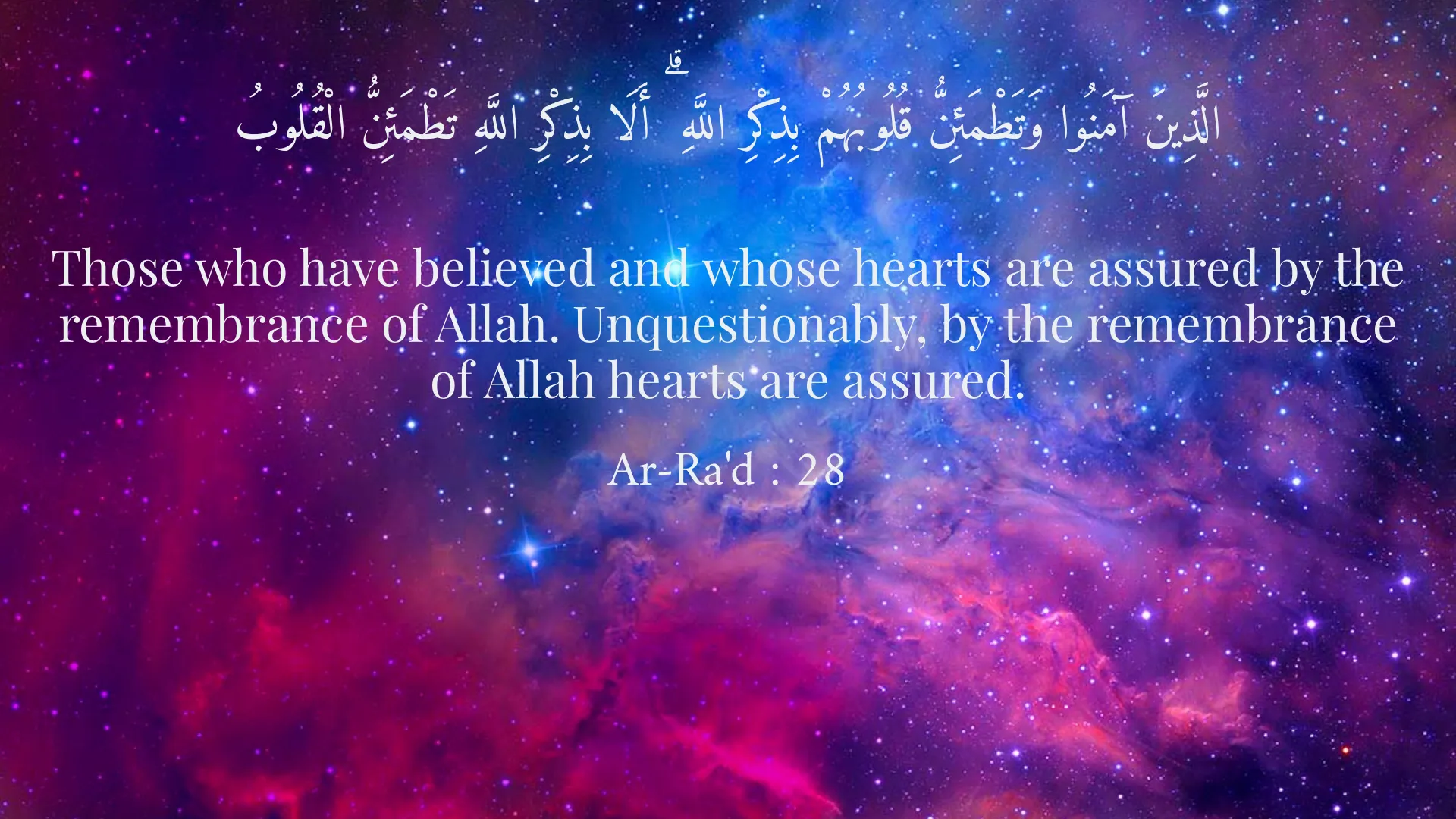
الَّذِينَ آمَنُوا وَتَطْمَئِنُّ قُلُوبُهُمْ بِذِكْرِ اللَّهِ ۗ أَلَا بِذِكْرِ اللَّهِ تَطْمَئِنُّ الْقُلُوبُ
Those who have believed and whose hearts are assured by the remembrance of Allah. Unquestionably, by the remembrance of Allah hearts are assured.
Ar-Ra'd : 28
وَالْعَصْرِ * إِنَّ الْإِنسَانَ لَفِي خُسْرٍ * إِلَّا الَّذِينَ آمَنُوا وَعَمِلُوا الصَّالِحَاتِ وَتَوَاصَوْا بِالْحَقِّ وَتَوَاصَوْا بِالصَّبْرِ
By time, * Indeed, mankind is in loss, * Except for those who have believed and done righteous deeds and advised each other to truth and advised each other to patience.
Al-Asr : 1-3
قُلْ لِلْمُؤْمِنِينَ يَغُضُّوا مِنْ أَبْصَارِهِمْ وَيَحْفَظُوا فُرُوجَهُمْ ۚ ذَلِكَ أَزْكَى لَهُمْ ۗ إِنَّ اللَّهَ خَبِيرٌ بِمَا يَصْنَعُونَ
Say to the believing men that they cast down their looks and guard their private parts; that is purer for them; surely Allah is aware of what they do.
An-Nur : 30
Short Story
One day, a wealthy man, deeply engrossed in his worldly possessions, proudly told a dervish: 'I have accumulated so much wealth and so many servants that I no longer have any worries!' The dervish replied with a smile: 'Indeed, if you have no worries, then I am glad for you. But know that true freedom from worry comes not from having much, but from needing little. For the more possessions you have, the more your heart is tied to them, and the greater the fear of losing them. And what is faith, if not the freedom of the heart from all ties save to its Creator?' The rich man, caught in the web of his own acquisitions, found no peace, while the dervish, with his simple needs, lived in contentment. In the bustling age of technology, remember that the true treasure is not in endless connections or ephemeral digital content, but in the quiet strength of a heart connected to its Lord, free from the worries of fleeting digital possessions.