Quranic Answer
Success, whether it's in gaining knowledge, accumulating wealth, or attaining power, is a divine blessing that can serve as both a significant test and an unparalleled opportunity for growth and drawing closer to Allah. However, the brilliance of success can sometimes cast a shadow of arrogance and pride over the human heart, diverting one from the path of moderation and servitude to God. The pristine teachings of the Holy Quran provide clear guidelines and enduring principles for maintaining humility at the peak of achievement. By understanding and applying these, one can both benefit from the fruits of success and remain safe from the harms of conceit. The first, and perhaps most crucial, step to maintaining humility is recognizing the truth that everything we possess, including our successes, originates from Allah. The Holy Quran repeatedly emphasizes that sustenance, knowledge, and power all come from Him. This belief dries up the roots of pride and self-admiration. When a person understands that their abilities, opportunities, and even talents are divine gifts, they are less likely to claim absolute ownership of their success and become more grateful instead. In Surah Ibrahim (Chapter 14, Verse 7), Allah states: "And [remember] when your Lord proclaimed, 'If you are grateful, I will surely increase you [in favor]; but if you deny, indeed, My punishment is severe.'" This verse clearly indicates that gratitude not only leads to an increase in blessings but also keeps a person in a state of servitude and humility. Success without gratitude implies ignoring the primary source of blessings, which can lead to pride and consequently the loss of that blessing. A person who is grateful at the peak of success constantly remembers that this success is a trust from the Lord and must be utilized in the best possible manner. Secondly, avoiding arrogance and boasting in behavior and speech. The Holy Quran strongly forbids the arrogant and the boastful. In Surah Luqman (Chapter 31, Verse 18), the wise Luqman advises his son: "And do not turn your cheek [in contempt] toward people and do not walk through the earth exultantly. Indeed, Allah does not like everyone self-deluded and boastful." This verse is a clear directive for humble conduct. Walking with pride, looking down on others, and self-praise are all signs of arrogance, which are condemned in the Quran. In Surah Al-Isra (Chapter 17, Verse 37), it further states: "And do not walk upon the earth exultantly. Indeed, you will never tear the earth [apart] and you will never reach the mountains in height." This verse points to human limitations, reminding a person that no matter how successful they become, they are insignificant before the grandeur of Allah. Therefore, maintaining etiquette and respect in interactions with all segments of society, even at the height of fame and power, is a sign of true humility. Third, learning from Quranic stories. The Holy Quran is rich with narratives that illustrate the consequences of pride and arrogance stemming from worldly successes. The story of Qarun in Surah Al-Qasas (Chapter 28, Verses 76 to 82) is one of the most prominent examples. Qarun, from the people of Moses, amassed immense wealth, but instead of being grateful and humble, he boasted about it, attributing it to his own knowledge and wisdom. When advised not to be excessively attached to this world and to do good, he retorted: "I have been given this [wealth] only because of knowledge I have." His arrogance and pride ultimately led to his destruction, and he, along with all his treasures, was swallowed by the earth. This story clearly demonstrates how success without humility can turn into a disaster. Reflecting on such stories inoculates a person against the temptation of pride and teaches them to always remember their servitude to Allah. Fourth, giving in charity for the sake of Allah (Infaq and Sadaqa). One of the most effective ways to combat pride arising from success is to assist the needy and give away a portion of what Allah has bestowed upon us. The Holy Quran strongly encourages charity and alms-giving. Spending in charity helps a person detach from an excessive attachment to worldly possessions and status, bringing their heart closer to Allah and His creation. When a person gives, they are reminded that this wealth is a trust, and they are merely a conduit for delivering it to those in need. This act not only purifies wealth but also cleanses the human soul and heart from the defilements of arrogance. In Surah Al-Baqarah (Chapter 2, Verse 272), it is mentioned: "And whatever good you spend is for yourselves, and you do not spend except seeking the countenance of Allah. And whatever you spend of good will be fully repaid to you, and you will not be wronged." Charity not only instills humility but also brings divine blessings and rewards. Fifth, remembering one's origin and ultimate return (Mabda' and Ma'ad). Always remembering one's humble beginnings (that we are created from insignificant dust) and our eventual return to Allah prevents arrogance. The Quran invites humans to reflect on their creation and their return to the Lord. These reminders keep a person humble, because no matter how high they ascend in worldly success, they remain a mortal being dependent on their Creator. Success is a journey, not the ultimate destination, and all of us will eventually return to the Lord and be held accountable for what we have done. This perspective compels a person to manage their successes with responsibility and humility. In conclusion, humility at the peak of success is not merely a moral virtue but a wise strategy for preserving and increasing blessings and achieving true inner peace. The Holy Quran teaches us that success is an opportunity for greater service to creation and the Creator, not a tool for ostentation and superiority. By adopting this perspective, we can embark on a path that leads to divine pleasure and fills our worldly lives with blessings and tranquility. Humility is the key to opening hearts and attaining a high standing with Allah and among people.
Related Verses
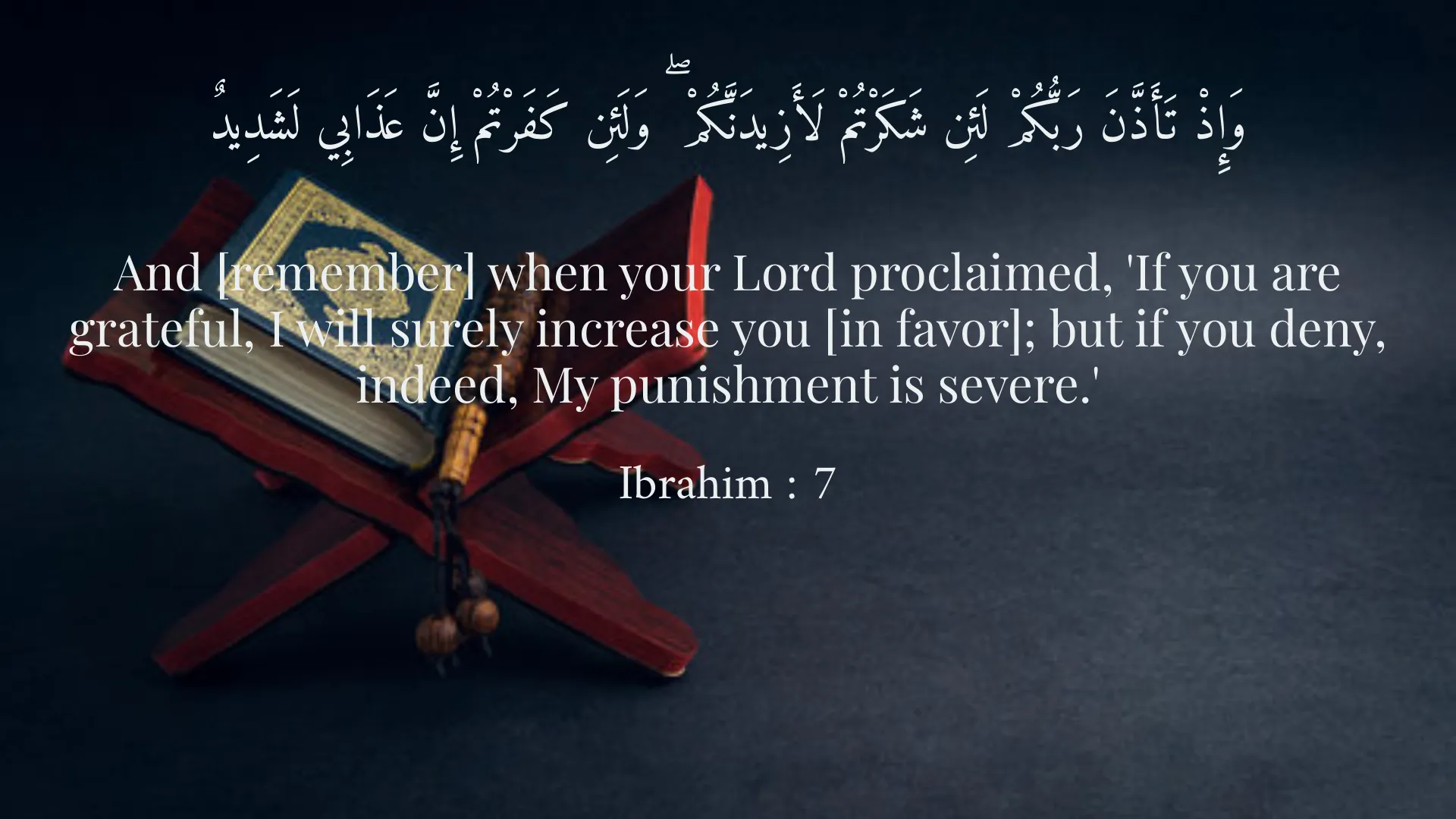
وَإِذْ تَأَذَّنَ رَبُّكُمْ لَئِن شَكَرْتُمْ لَأَزِيدَنَّكُمْ ۖ وَلَئِن كَفَرْتُمْ إِنَّ عَذَابِي لَشَدِيدٌ
And [remember] when your Lord proclaimed, 'If you are grateful, I will surely increase you [in favor]; but if you deny, indeed, My punishment is severe.'
Ibrahim : 7
وَلَا تُصَعِّرْ خَدَّكَ لِلنَّاسِ وَلَا تَمْشِ فِي الْأَرْضِ مَرَحًا ۖ إِنَّ اللَّهَ لَا يُحِبُّ كُلَّ مُخْتَالٍ فَخُورٍ
And do not turn your cheek [in contempt] toward people and do not walk through the earth exultantly. Indeed, Allah does not like everyone self-deluded and boastful.
Luqman : 18
إِنَّ قَارُونَ كَانَ مِن قَوْمِ مُوسَىٰ فَبَغَىٰ عَلَيْهِمْ ۖ وَآتَيْنَاهُ مِنَ الْكُنُوزِ مَا إِنَّ مَفَاتِحَهُ لَتَنُوءُ بِالْعُصْبَةِ أُولِي الْقُوَّةِ إِذْ قَالَ لَهُ قَوْمُهُ لَا تَفْرَحْ إِنَّ اللَّهَ لَا يُحِبُّ الْفَرِحِينَ
Indeed, Qarun was from the people of Moses, but he oppressed them. And We gave him of treasures that the keys thereof would burden a band of strong men. When his people said to him, "Do not exult. Indeed, Allah does not like the exultant."
Al-Qasas : 76
Short Story
It is said there was a merchant in a certain land, upon whom wealth and riches poured from every direction. So vast were his possessions and servants that they were beyond count, and his ships brought gold and jewels from distant lands. A deep pride had encompassed him, and he looked down with contempt upon anyone lesser than himself. One day, on a path, he encountered an ascetic dervish who was thanking God with a mere piece of dry bread. The merchant, out of arrogance, laughed at him and said, "O Dervish, what joy do you have with all this poverty? Look at what I possess, and what you lack!" The dervish smiled and replied, "O noble man, this wealth you have, it is here today and gone tomorrow, like water flowing in a stream. But what makes me joyful is the contentment of God and the peace of heart, which cannot be equated with any treasure. Do you not know that Qarun, with all his treasures, was swallowed by the earth, and his good name did not endure? Perhaps this very dust upon which you walk will one day embrace you. So, instead of boasting about what you have, be grateful and humble, for permanence in this world belongs only to God." The merchant was deeply affected by the dervish's words and repented of his pride. From then on, he gave away his wealth in the way of God and became so humble that people knew him not for his riches, but for his humility and generosity.