Quranic Answer
The concept of managing worry about divine judgment while simultaneously being diligent in one's actions is a beautiful and nuanced aspect of Islamic teachings, often referred to as the balance between 'Khawf' (fear) and 'Raja' (hope). Islam never pushes its followers towards extreme fear and despair. Instead, it consistently encourages maintaining a delicate balance between fear of divine punishment and hope in His boundless mercy. This balance fosters a constructive approach to life, neither paralyzing nor rendering one apathetic or negligent. To avoid excessive worry about divine judgment, one must cultivate a deep understanding of God's essence. The Holy Quran repeatedly emphasizes Allah's attributes of mercy, forgiveness, and concealment of faults. Allah describes Himself as 'Ar-Rahman Ar-Rahim' (The Most Gracious, The Most Merciful), 'Al-Ghafoor' (The All-Forgiving), and 'At-Tawwab' (The Accepter of Repentance). These attributes clearly indicate that Allah's mercy precedes His wrath, and the doors of repentance and return are always open to His servants. When a person realizes that their Lord not only loves them but also embraces their slightest regret and return with open arms, they are freed from paralyzing fear. Surah Az-Zumar, verse 53, explicitly states: “Say, 'O My servants who have transgressed against themselves [by sinning], do not despair of the mercy of Allah. Indeed, Allah forgives all sins. Indeed, it is He who is the Forgiving, the Merciful.'” This verse shines a light of hope into the heart of every sinner, demonstrating that Allah is immensely pleased with the repentance and return of His servants. However, this hope in mercy must not translate into carelessness or negligence regarding one's actions. Being 'diligent' or 'careful' here means being fully aware of one's responsibilities towards Allah, oneself, and society. Every action we perform is recorded in our book of deeds and will be accounted for on the Day of Judgment. Surah Az-Zalzalah, verses 7 and 8, beautifully illustrate this concept: “So whoever does an atom's weight of good will see it, And whoever does an atom's weight of evil will see it.” These verses remind us that even our smallest actions, whether good or bad, will be manifest before Allah. Therefore, diligence implies paying close attention to our intentions, choices, and behaviors. This vigilance stems not from a terrorizing fear of a vengeful God, but from reverence and respect for a Merciful Lord who has sent guidance for us and provided a comprehensive plan for our lives. The Quranic recommendation for balancing fear and hope is a roadmap to achieving a dynamic and thriving spiritual life. Constructive fear deters one from committing sins and motivates the performance of duties and avoidance of prohibitions; however, it should not lead to despair. Conversely, hope in divine mercy empowers an individual to return to the right path after any misstep and not to lose faith in Allah's bounty; but it should not lead to audacity in sin or indifference to divine commands. Allah states in Surah Al-A'raf, verse 56: “And do not cause corruption upon the earth after its reformation. And invoke Him in fear and aspiration. Indeed, the mercy of Allah is near to the doers of good.” This verse clearly indicates that prayer and connection with Allah should be accompanied by a combination of fear (of the consequences of actions and Divine power) and hope (in His mercy and grace). This blend of fear and hope deepens our intentions and imbues our actions with meaning and purpose. To be diligent in our actions, we can take practical steps: Firstly, self-reflection and accountability (Muhasabah): Each night before sleeping, reflect on the day's actions, be grateful for good deeds, and repent for sins. Secondly, recitation and contemplation of the Quran (Tadabbur): The Quran is a guiding light, and by contemplating its verses, we better understand divine standards and values. Thirdly, frequent remembrance of Allah (Dhikr) and supplication (Du'a): Through the remembrance of Allah, hearts find tranquility, and His remembrance makes us steadfast on the path of servitude. Fourthly, associating with the righteous: Companionship with pious and virtuous individuals guides one towards good deeds and deters from sin. Fifthly, serving creation: One of the best ways to draw closer to Allah and earn His mercy is through sincere service to His creation. By undertaking these practices, we not only avoid carelessness and heedlessness but also, with hope in Allah's mercy and forgiveness, free ourselves from unnecessary worries and obsessions about divine judgment. This approach guides us towards a purposeful life, filled with peace and reliance on Allah, while always being mindful of our responsibilities.
Related Verses
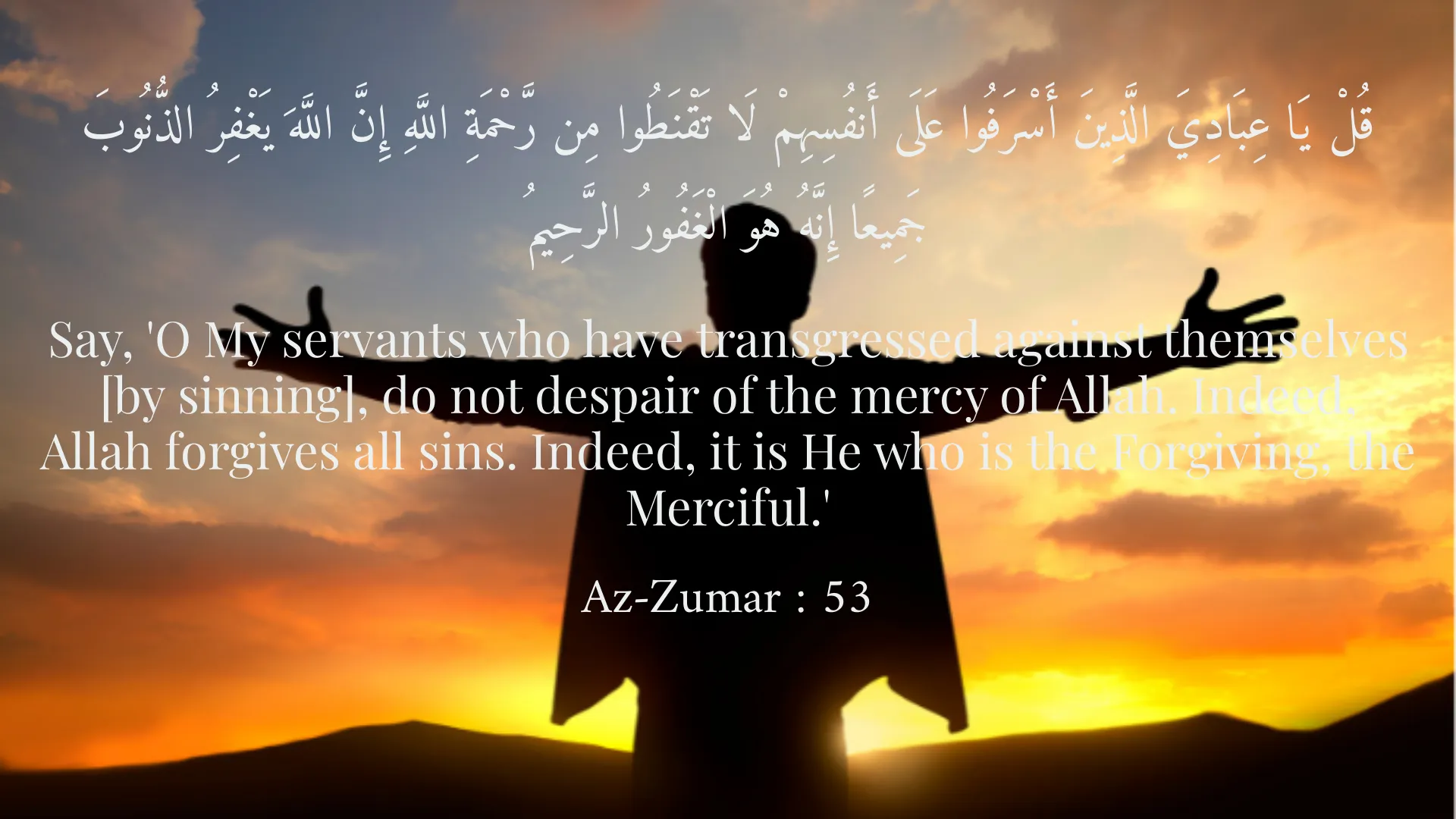
قُلْ يَا عِبَادِيَ الَّذِينَ أَسْرَفُوا عَلَى أَنفُسِهِمْ لَا تَقْنَطُوا مِن رَّحْمَةِ اللَّهِ إِنَّ اللَّهَ يَغْفِرُ الذُّنُوبَ جَمِيعًا إِنَّهُ هُوَ الْغَفُورُ الرَّحِيمُ
Say, 'O My servants who have transgressed against themselves [by sinning], do not despair of the mercy of Allah. Indeed, Allah forgives all sins. Indeed, it is He who is the Forgiving, the Merciful.'
Az-Zumar : 53
فَمَن يَعْمَلْ مِثْقَالَ ذَرَّةٍ خَيْرًا يَرَهُ
So whoever does an atom's weight of good will see it,
Az-Zalzalah : 7
وَمَن يَعْمَلْ مِثْقَالَ ذَرَّةٍ شَرًّا يَرَهُ
And whoever does an atom's weight of evil will see it.
Az-Zalzalah : 8
وَلَا تُفْسِدُوا فِي الْأَرْضِ بَعْدَ إِصْلَاحِهَا وَادْعُوهُ خَوْفًا وَطَمَعًا إِنَّ رَحْمَتَ اللَّهِ قَرِيبٌ مِّنَ الْمُحْسِنِينَ
And do not cause corruption upon the earth after its reformation. And invoke Him in fear and aspiration. Indeed, the mercy of Allah is near to the doers of good.
Al-A'raf : 56
Short Story
It is related in Saadi's Gulistan that a wise man was traveling with his student. The student was extremely worried about whether his deeds would be accepted by the Almighty on the Day of Judgment, and this thought robbed him of peace. The wise man smiled and asked, "My son, have you firmly tied your camel to the tree?" The student replied, "Yes, I tied it with a strong rope." The wise man said, "Then why are you worried about it escaping? When you have taken firm and righteous steps and diligently performed your divine duties, do not harbor unnecessary anxiety, and entrust your destiny to the Merciful Lord. For Allah does not turn away from those who do good and rewards their efforts, but reliance should not mean idleness." The student found peace in this wise counsel and understood that he must balance effort with trust.