Quranic Answer
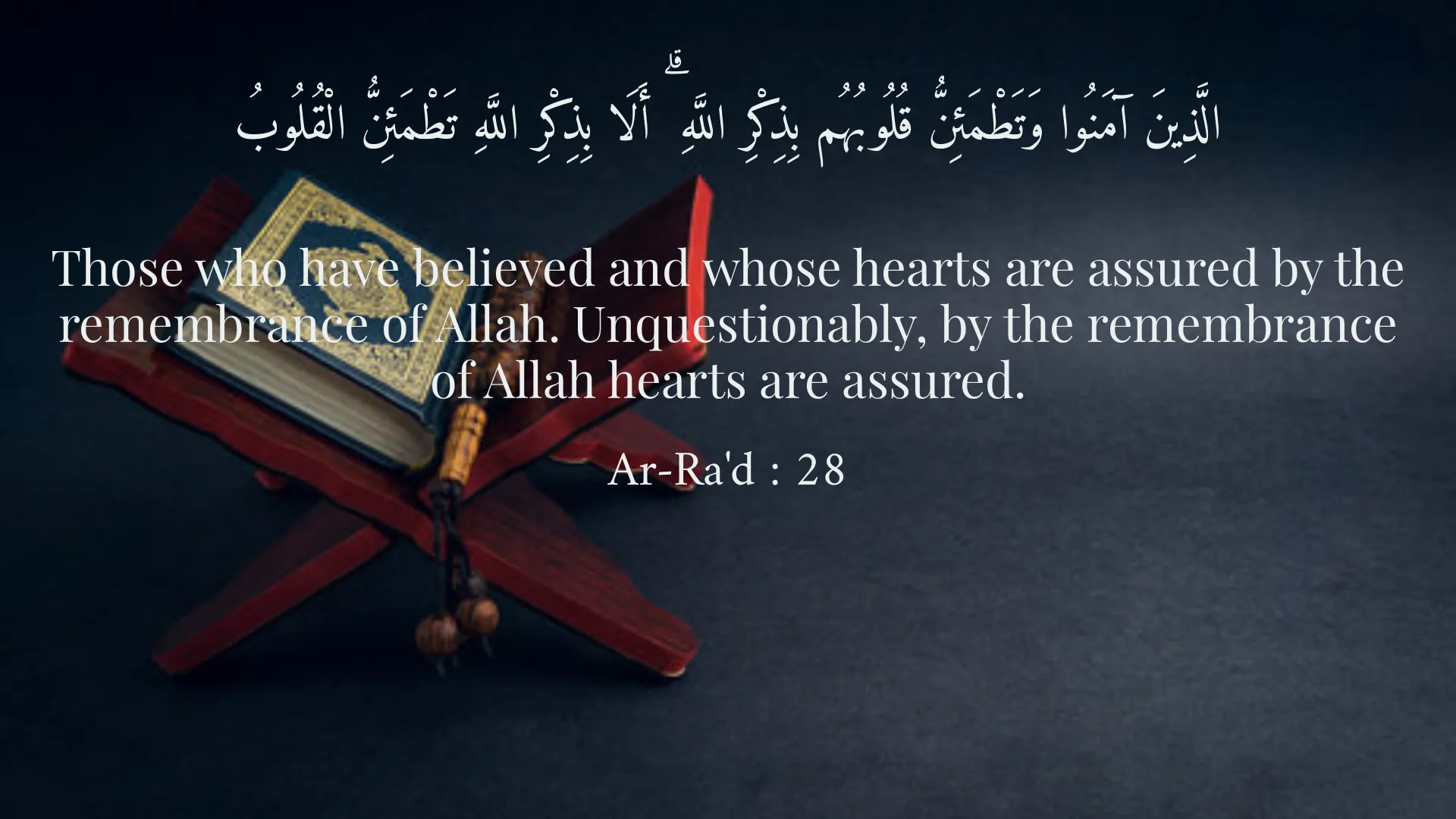
In the quest for satisfaction, humanity is perpetually seeking a sense of happiness and tranquility. Many of us pursue fleeting pleasures and momentary gratifications throughout our lives: buying a new gadget, savoring a delicious meal, or watching an engaging film. These certainly bring moments of joy, but their nature is transient and unstable. After a while, that feeling fades, and our thirst for a new source of satisfaction ignites once more. The fundamental question then arises: how can we break free from this cycle of momentary satisfactions and achieve a deeper, more enduring, and meaningful sense of contentment? The Holy Quran, with its profound insights into human nature and the essence of the world, offers clear guidance for attaining this lasting satisfaction, which not only calms the heart but also guides life towards perfection and eternal bliss. The first, and perhaps most crucial, step on this path is understanding the fundamental difference between worldly life and the afterlife. The Quran repeatedly reminds us that this world, with all its glitter and pleasures, is inherently transient and perishable. This life is but play and amusement, a deceptive adornment, and a place for boasting in wealth and children. As we read in Surah Al-Hadid, verse 20: “Know that the worldly life is only amusement and diversion and adornment and boasting among yourselves and competition in increase of wealth and children – like the example of a rain whose [resulting] plant growth pleases the disbelievers; then it dries and you see it [to be] yellowed; then it becomes [scattered] debris. And in the Hereafter is severe punishment and forgiveness from Allah and approval. And what is the worldly life except the enjoyment of delusion.” This verse beautifully likens the ephemeral nature of worldly life to a plant that grows and then withers and dries up. In contrast, the Quran emphasizes the permanence and eternity of the Hereafter and links true satisfaction to divine pleasure (Ridwan). Therefore, shifting one's perspective from focusing solely on worldly objectives to aiming for eternal goals is the key to achieving lasting satisfaction. The central pillar for achieving stable peace and lasting satisfaction is the remembrance of Allah (Dhikr Allah). In Surah Ar-Ra'd, verse 28, Allah explicitly states: “Those who have believed and whose hearts are assured by the remembrance of Allah. Unquestionably, by the remembrance of Allah hearts are assured.” This verse introduces the fundamental basis of lasting tranquility not in external factors, but in an inner connection with the Creator of existence. The remembrance of God is not merely the repetition of words, but encompasses all actions that bring us to remembrance of God: from daily prayers and recitation of the Quran to contemplation of divine signs and gratitude for His countless blessings. When the heart becomes intertwined with the remembrance of God, it is freed from dependence on worldly fluctuations and connects to the ultimate source of peace and power. In addition to Dhikr, performing righteous deeds (Amal Salih) also plays a vital role in creating lasting satisfaction. The Quran states in Surah An-Nahl, verse 97: “Whoever does righteousness, whether male or female, while he is a believer - We will surely cause him to live a good life, and We will surely give them their reward [in the Hereafter] according to the best of what they used to do.” The 'Hayatan Tayyibah' or 'good life' is precisely that lasting satisfaction and inner peace that results from good and sincere deeds. When a person serves others, respects the rights of others, and treads in the path of God, they not only earn rewards in the Hereafter but also taste the sweet flavor of inner peace and self-contentment in this world. This precious feeling is much deeper than superficial pleasures and does not fade with time; rather, it becomes richer. Patience (Sabr) and gratitude (Shukr) are two other crucial wings for soaring towards lasting satisfaction. Patience means enduring difficulties and hardships with reliance on God and without losing hope. Life is full of challenges, and momentary satisfaction vanishes at the first obstacle. But one who adopts patience knows that every hardship eventually leads to ease and carries with it divine reward. Gratitude, on the other hand, means appreciating all of God's blessings, whether small or large. When a person shifts their gaze from what they lack to what they possess, they feel a sense of richness and self-sufficiency. This change in perspective purifies the heart from greed and avarice, making one feel content with whatever they have. These two qualities make a person resilient against adversities and guide them towards inner peace. Trust in Allah (Tawakkul) also plays a key role in achieving lasting satisfaction. When a person entrusts their affairs to Allah and has complete confidence in His wisdom and plan, worries and anxieties depart from them. This reliance allows a person not to be attached to the outcome of their efforts but to believe that the best destiny will be decreed for them. This freedom from the burden of worries is itself a great source of inner peace and satisfaction. Ultimately, achieving lasting satisfaction requires a paradigm shift in life: from pursuing transient pleasures to seeking a deep connection with the Creator, performing good deeds, and cultivating moral virtues. This path is an inner journey whose reward is not only peace in this world but also eternal bliss in the Hereafter. With every step on this path, one draws closer to an inexhaustible source of divine satisfaction that will never diminish.
Related Verses
الَّذِينَ آمَنُوا وَتَطْمَئِنُّ قُلُوبُهُم بِذِكْرِ اللَّهِ ۗ أَلَا بِذِكْرِ اللَّهِ تَطْمَئِنُّ الْقُلُوبُ
Those who have believed and whose hearts are assured by the remembrance of Allah. Unquestionably, by the remembrance of Allah hearts are assured.
Ar-Ra'd : 28
مَنْ عَمِلَ صَالِحًا مِّن ذَكَرٍ أَوْ أُنثَىٰ وَهُوَ مُؤْمِنٌ فَلَنُحْيِيَنَّهُ حَيَاةً طَيِّبَةً ۖ وَلَنَجْزِيَنَّهُمْ أَجْرَهُم بِأَحْسَنِ مَا كَانُوا يَعْمَلُونَ
Whoever does righteousness, whether male or female, while he is a believer - We will surely cause him to live a good life, and We will surely give them their reward [in the Hereafter] according to the best of what they used to do.
An-Nahl : 97
اعْلَمُوا أَنَّمَا الْحَيَاةُ الدُّنْيَا لَعِبٌ وَلَهْوٌ وَزِينَةٌ وَتَفَاخُرٌ بَيْنَكُمْ وَتَكَاثُرٌ فِي الْأَمْوَالِ وَالْأَوْلَادِ ۖ كَمَثَلِ غَيْثٍ أَعْجَبَ الْكُفَّارَ نَبَاتُهُ ثُمَّ يَهِيجُ فَتَرَاهُ مُصْفَرًّا ثُمَّ يَكُونُ حُطَامًا ۖ وَفِي الْآخِرَةِ عَذَابٌ شَدِيدٌ وَمَغْفِرَةٌ مِّنَ اللَّهِ وَرِضْوَانٌ ۚ وَمَا الْحَيَاةُ الدُّنْيَا إِلَّا مَتَاعُ الْغُرُورِ
Know that the worldly life is only amusement and diversion and adornment and boasting among yourselves and competition in increase of wealth and children - like the example of a rain whose [resulting] plant growth pleases the disbelievers; then it dries and you see it [to be] yellowed; then it becomes [scattered] debris. And in the Hereafter is severe punishment and forgiveness from Allah and approval. And what is the worldly life except the enjoyment of delusion.
Al-Hadid : 20
Short Story
It is narrated that a wealthy man was strolling in a garden full of blessings, yet with every sight, a yearning for more ignited in his heart. A larger garden, greater wealth, and boundless power. Every pleasure he tasted, he quickly grew tired of, and another thirst awakened within him. Meanwhile, in a corner of that garden, a simple-hearted dervish was content with a piece of dry bread and a cup of water, sitting peacefully under a tree, giving thanks to God. The wealthy man approached him and asked in surprise: "How is it that with all my possessions, I am never satisfied, yet you, with so little, are so calm and content?" The dervish smiled and replied: "My friend, you are seeking something outside of yourself that can never be filled, but I have found satisfaction within myself. You seek momentary satisfaction that vanishes with every new thing, but I have found a spring that never dries, and that is 'contentment and the remembrance of God.'" This heartwarming story by Saadi teaches us that lasting satisfaction is found not in accumulating possessions, but in the peace of the heart and connection to the infinite divine source.