Quranic Answer
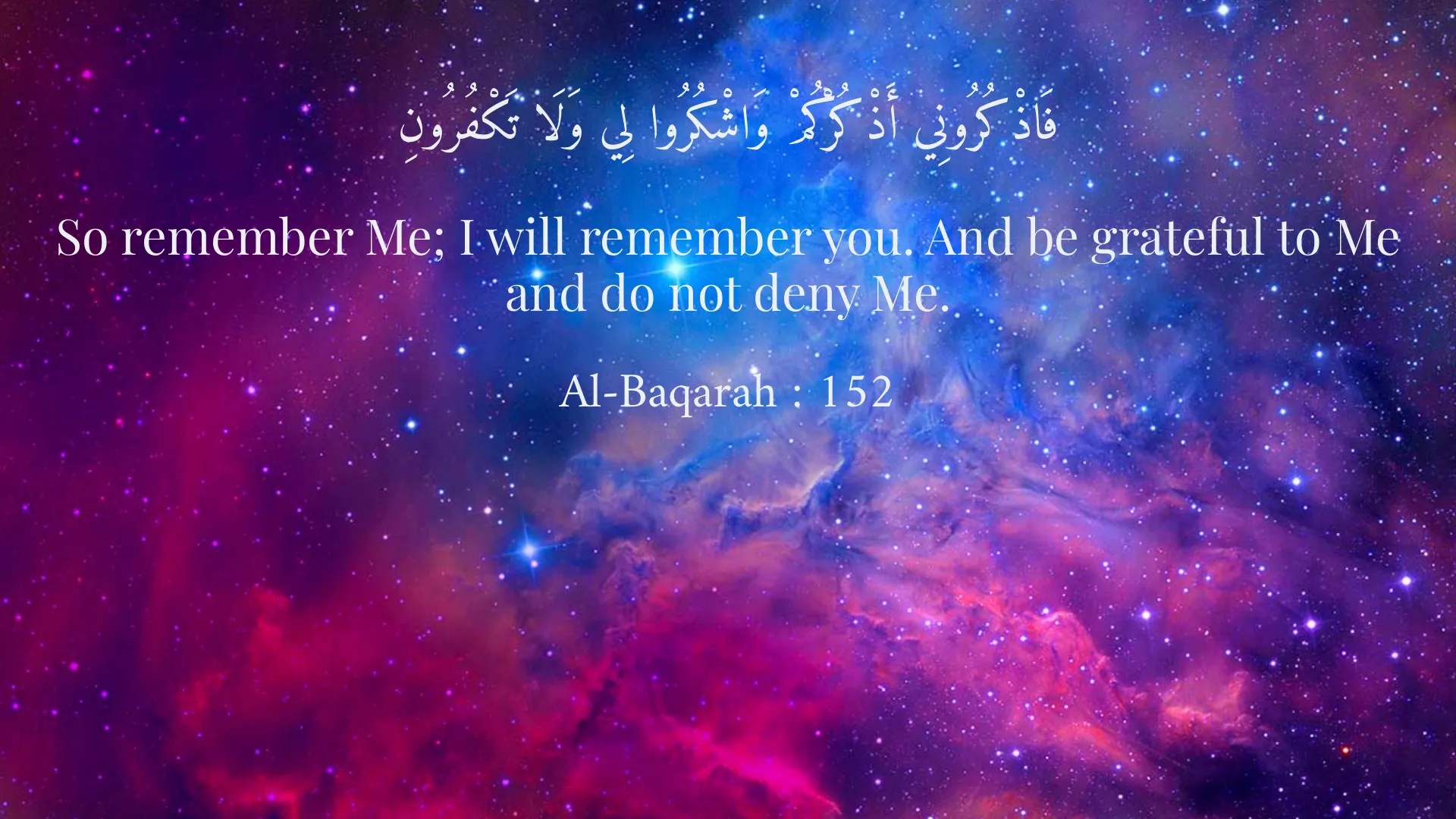
In today's world, overflowing with busyness, endless tasks, and a vast deluge of information and activities, forgetting the Almighty God and drifting away from His remembrance is a significant challenge for many individuals. This forgetfulness, which the Holy Quran refers to as 'Ghaflah' (heedlessness), can lead to a loss of inner peace, deviation from the right path in life, and ultimately, deprivation of divine blessings. But how can we maintain our connection with the Creator of the universe and constantly remember Him amidst the clamor of life? The Holy Quran and the Prophetic tradition offer practical and profound solutions for this crucial matter, which anyone, under any circumstances, can benefit from. One of the most fundamental and comprehensive solutions is the concept of 'Dhikr,' or the remembrance of God. Dhikr is not merely limited to uttering specific words; rather, it encompasses any action that brings a person to remember God and makes His presence tangible in one's life. Allah says in Surah Al-Baqarah, verse 152: "So remember Me; I will remember you. And be grateful to Me and do not deny Me." This verse indicates that the remembrance of God is reciprocal; when we remember Him, He also pays attention to us, and this divine attention is the source of all good and blessings. Dhikr can include various dimensions: 1. Prayer (Salat) and Establishing It at Its Appointed Times: Prayer is the pillar of religion and the ascension of the believer. Allah says in Surah Taha, verse 14: "And establish prayer for My remembrance." Prayer serves as a mandatory and purposeful pause in life's daily routines. Five times a day and night, a believer has the opportunity to detach from the material world and turn with their entire being towards their Creator. These moments are opportunities for renewing one's covenant, seeking help, and expressing gratitude. Regularity in prayers provides a structured schedule for remembering God amidst the busyness and prevents complete immersion in materialism. 2. Recitation and Contemplation of the Holy Quran: The Quran is the word of God, full of guidance and reminders. Daily recitation of the Quran, even in small amounts, and pondering its meanings, keeps the heart awake and makes one aware of the realities of existence and their place in the universe. The Quran itself is a 'Dhikr,' and familiarity with it is a sure way to not forget God. The verses of the Quran are mirrors in which we can see the grandeur, power, and wisdom of God, and this seeing is itself a deep form of remembrance. 3. Verbal and Heartfelt Dhikr: Uttering various supplications and remembrances like 'Subhanallah' (Glory be to Allah), 'Alhamdulillah' (All praise is due to Allah), 'La ilaha illa Allah' (There is no god but Allah), 'Allahu Akbar' (Allah is the greatest), 'La hawla wa la quwwata illa billah' (There is no might or power except with Allah) throughout the day, even while performing daily tasks, keeps the heart and tongue engaged in the remembrance of God. Heartfelt dhikr means the constant presence of God in one's mind and heart; it means that in every action, one considers God's pleasure and seeks His help. This requires practice and perseverance and gradually transforms into a positive habit. 4. Continuous Gratitude (Shukr): Allah emphasizes the importance of gratitude in many verses of the Quran. Gratitude is not only a sign of faith but also leads to an increase in blessings. When a person, in every situation, even in hardships, remembers divine blessings and is grateful, they automatically turn to the source of these blessings, which is God, and move away from heedlessness. This focus on the positive aspects of life and their connection to God acts as a strong shield against the temptations of forgetfulness. 5. Trust and Reliance on God (Tawakkul): In the face of life's pressures and daily challenges, reliance on God provides peace and strength to a person. When we know that all matters are in His hands and He is the best planner, anxieties decrease, and the heart finds tranquility in His remembrance. This reliance does not mean abandoning effort and endeavor, but rather entrusting the outcome of one's efforts to Him after exerting all capabilities. This perspective makes a heart freed from anxiety more ready for the remembrance of God. 6. Avoiding Immersion in Worldly Matters and Materialism: The Holy Quran explicitly warns that wealth and children can be causes of heedlessness from the remembrance of God. In Surah Al-Munafiqun, verse 9, we read: "O you who have believed, let not your wealth and your children divert you from remembrance of Allah. And whoever does that - then those are the losers." This is not to condemn wealth and children, but rather to warn against excessive attachment to them, which leads to forgetting the main purpose of life, which is drawing near to God. Balance between material and spiritual life is the key. 7. Reflection and Contemplation on Creation: A deep and thoughtful look at the phenomena around us, from the smallest particles to the largest galaxies, guides humanity to the greatness and power of the Creator of the universe. This contemplation is itself a form of Dhikr that awakens the heart and strengthens the sense of servitude and humility before the grandeur of God. Nature is an open book for reminding us of God's existence, always accessible to us. Ultimately, remembering God amidst the hustle and bustle of life is a conscious choice and a continuous effort. By planning moments for the remembrance of God, cultivating spiritual habits, and avoiding complete immersion in worldly affairs, we can keep our hearts alive and always walk on the path of divine guidance. This not only contributes to our worldly peace but also brings about success in the hereafter.
Related Verses
فَاذْكُرُونِي أَذْكُرْكُمْ وَاشْكُرُوا لِي وَلَا تَكْفُرُونِ
So remember Me; I will remember you. And be grateful to Me and do not deny Me.
Al-Baqarah : 152
إِنَّنِي أَنَا اللَّهُ لَا إِلَهَ إِلَّا أَنَا فَاعْبُدْنِي وَأَقِمِ الصَّلَاةَ لِذِكْرِي
Indeed, I am Allah. There is no deity except Me, so worship Me and establish prayer for My remembrance.
Taha : 14
يَا أَيُّهَا الَّذِينَ آمَنُوا لَا تُلْهِكُمْ أَمْوَالُكُمْ وَلَا أَوْلَادُكُمْ عَن ذِكْرِ اللَّهِ ۚ وَمَن يَفْعَلْ ذَلِكَ فَأُولَٰئِكَ هُمُ الْخَاسِرُونَ
O you who have believed, let not your wealth and your children divert you from remembrance of Allah. And whoever does that - then those are the losers.
Al-Munafiqun : 9
Short Story
It is narrated that a devout man and a content dervish lived in a quiet corner of a neighborhood. A wealthy man, who was his neighbor, would tirelessly pursue wealth accumulation from early morning until late at night, never ceasing his efforts. One day, the dervish saw him rushing about with a troubled and anxious face. The dervish smiled and said, "My friend, what is all this hustle for? It seems you want more than Qarun's treasure!" The wealthy man sighed and replied, "O dervish, if I stop striving for a moment, I will fall behind and my wealth will diminish. I forget that this world is fleeting, and in this rush, my heart drifts away from the remembrance of God." The dervish advised: "In this garden full of worldly flowers, if you fix your inner eye on the flowing water of truth, the thorns of anxiety will no longer bother you, and your heart will always remember the true Gardener. The same peace found in contentment cannot be found in any wealth, because contentment frees you from the bonds of the world, so your heart can freely contemplate your Lord." From then on, the wealthy man also tried to dedicate moments to the remembrance of God alongside his worldly efforts, and he found true peace in this balance.