Quranic Answer
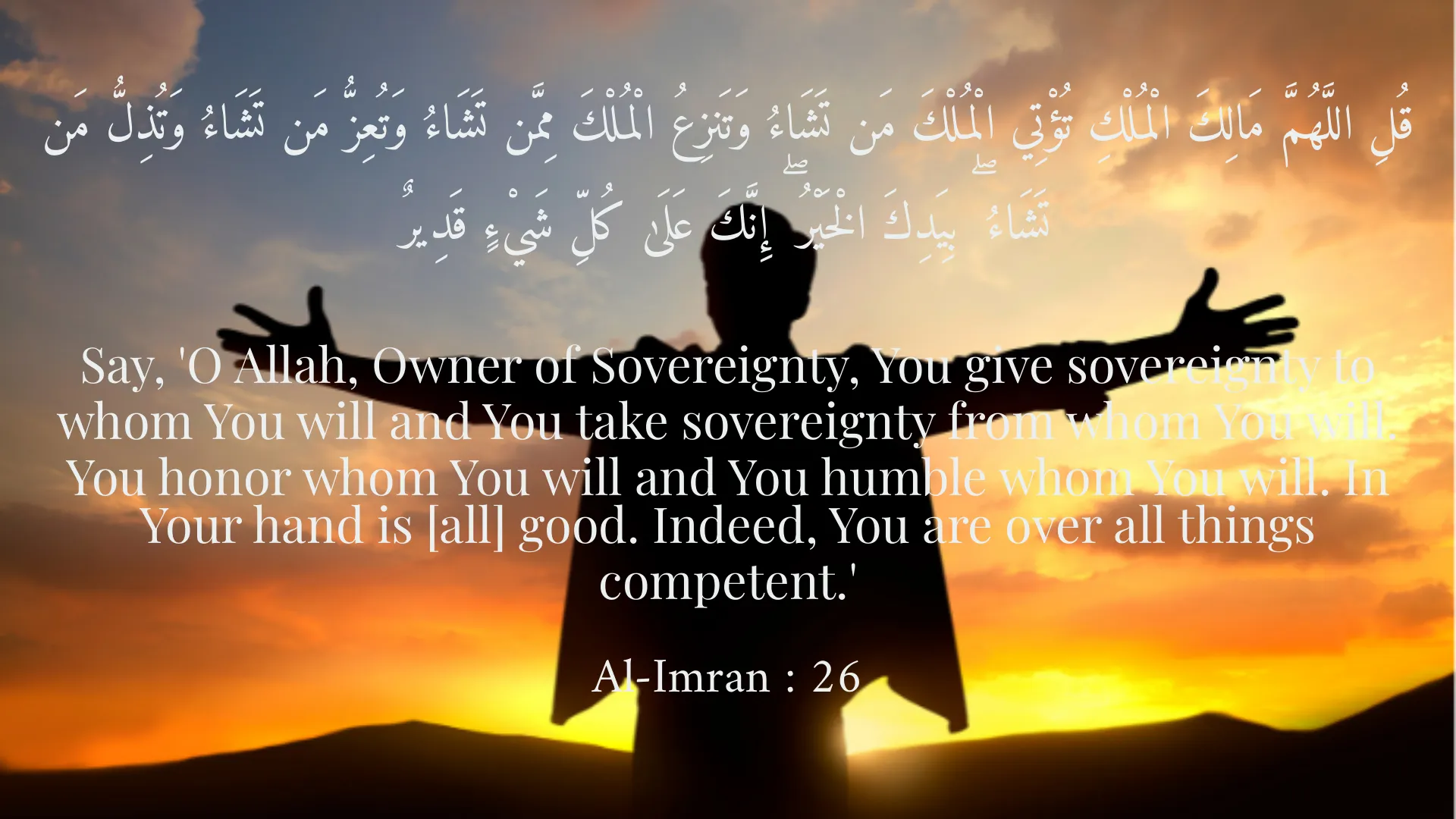
The temptation of power and status is one of the profound and complex challenges in the human journey, having afflicted humanity since ancient times. This inherent desire for dominance and superiority, while potentially a catalyst for progress and service, can swiftly transform into a source of corruption, injustice, and deviation if not governed by intellect and faith. The Holy Quran addresses this issue repeatedly, offering fundamental solutions to overcome this temptation. To grasp these solutions, we must first understand the nature of power from a Quranic perspective. In the Quran, true power belongs solely to Allah, the Almighty. Any power vested in human hands is a divine trust (amanah) and a means of test, not an ultimate goal. In Surah Al-Imran, verse 26, Allah states: "Say, 'O Allah, Owner of Sovereignty, You give sovereignty to whom You will and You take sovereignty from whom You will. You honor whom You will and You humble whom You will. In Your hand is [all] good. Indeed, You are over all things competent.'" This verse clearly articulates that power and honor are in Allah's hands; He grants them to whom He pleases and takes them from whom He pleases. This perspective inherently destabilizes the foundations of greed and arrogance that often arise from power. A fundamental strategy to overcome the temptation of power and status is to strengthen 'Taqwa' or God-consciousness. Taqwa signifies self-restraint and piety, which protects a person from sins and temptations. When a person's heart is filled with the remembrance of God and the fear of His accountability, they will no longer seek to accumulate power for self-serving motives. Surah Al-Baqarah, verse 281, warns: "And fear a Day when you will be returned to Allah. Then every soul will be compensated for what it earned, and they will not be wronged." This continuous reminder of the Day of Judgment restrains individuals from misusing power and guides them towards justice and service. A person with Taqwa understands that any position granted to them is not for personal gratification but for fulfilling a duty and establishing justice. Another crucial solution is 'Tawadu'' or humility. The Quran strongly condemns arrogance and pride arising from power, identifying them as characteristics of Satan and Pharaoh. In Surah Luqman, verse 18, it is stated: "And do not turn your cheek [in contempt] toward people and do not walk through the earth exultantly. Indeed, Allah does not like every self-deluded and boastful person." An individual who overcomes the temptation of power does not view themselves as superior to others and, despite their position, always considers themselves a servant of God and a servant of the people. This humility prevents corruption and tyranny, helping them wield power justly and compassionately. The story of Qarun in Surah Al-Qasas is a vivid example of the consequences of pride derived from wealth and power, demonstrating how arrogance can lead to destruction. "Focusing on the Hereafter" and downplaying worldly attractions are also key factors. The Quran repeatedly refers to the worthlessness of worldly life compared to the Hereafter. When an individual understands that worldly status and power are transient and what truly remains are righteous deeds and eternal rewards, they will not cling to them excessively. Surah Al-Qasas, verse 83, states: "That home of the Hereafter We assign to those who do not desire exaltation in the earth or corruption. And the [best] outcome is for the righteous." This verse explicitly declares that true status and eternal felicity are for those who do not seek exaltation or corruption in the world. This understanding shifts one's perspective, distancing them from futile competition over positions and ranks. Furthermore, "remembering the responsibility and trust nature of power" is highly important. Every position an individual attains is, in essence, a trust (amanah) bestowed upon them by Allah, and they will be accountable for it. A ruler, a manager, or anyone in a position of influence is responsible before God and His creation. This sense of accountability prevents the misuse of power and compels the individual to use it for the benefit of society and the establishment of justice. The Prophet Muhammad (peace be upon him) said: "All of you are guardians, and all of you are responsible for your wards." This hadith is rooted in Quranic teachings about trusteeship and accountability. Finally, "consultation and listening to the voice of truth" can also help a powerful individual escape the snare of temptation. The Quran emphasizes consultation and encourages individuals to listen to others' opinions, especially those who speak truth. This prevents self-will and tyranny, which are negative outcomes of power-seeking. In summary, overcoming the temptation of power and status hinges on deep faith, strengthened Taqwa, humility, remembrance of the Hereafter, a sense of responsibility, and consultation. These are the pillars that protect a person from the rebellion of the self and guide them toward the proper use of power in alignment with divine pleasure.
Related Verses
قُلِ اللَّهُمَّ مَالِكَ الْمُلْكِ تُؤْتِي الْمُلْكَ مَن تَشَاءُ وَتَنزِعُ الْمُلْكَ مِمَّن تَشَاءُ وَتُعِزُّ مَن تَشَاءُ وَتُذِلُّ مَن تَشَاءُ ۖ بِيَدِكَ الْخَيْرُ ۖ إِنَّكَ عَلَىٰ كُلِّ شَيْءٍ قَدِيرٌ
Say, 'O Allah, Owner of Sovereignty, You give sovereignty to whom You will and You take sovereignty from whom You will. You honor whom You will and You humble whom You will. In Your hand is [all] good. Indeed, You are over all things competent.'
Al-Imran : 26
وَلَا تُصَعِّرْ خَدَّكَ لِلنَّاسِ وَلَا تَمْشِ فِي الْأَرْضِ مَرَحًا ۖ إِنَّ اللَّهَ لَا يُحِبُّ كُلَّ مُخْتَالٍ فَخُورٍ
And do not turn your cheek [in contempt] toward people and do not walk through the earth exultantly. Indeed, Allah does not like every self-deluded and boastful person.
Luqman : 18
تِلْكَ الدَّارُ الْآخِرَةُ نَجْعَلُهَا لِلَّذِينَ لَا يُرِيدُونَ عُلُوًّا فِي الْأَرْضِ وَلَا فَسَادًا ۚ وَالْعَاقِبَةُ لِلْمُتَّقِينَ
That home of the Hereafter We assign to those who do not desire exaltation in the earth or corruption. And the [best] outcome is for the righteous.
Al-Qasas : 83
Short Story
It is narrated that there was once a just and virtuous king, who in the early days of his reign, possessed a touch of arrogance. One day, as he sat in the balcony of his palace, he gazed with pride upon his subjects below. At that very moment, a simple-hearted dervish, indifferent to worldly affairs, was passing by his palace. The king, with a somewhat haughty tone, called out to him and said, "O Dervish, what do you possess in this world that you walk with such peace of mind?" The dervish replied with a calm smile, "O King, what I have, suffices me, and what I do not have, I do not need. But you, who possess so much dominion and wealth, are you at ease about tomorrow and your ultimate end?" The king fell into deep thought at these words. The dervish continued: "Any kingdom whose throne is not built on justice will sooner or later collapse, and any status that makes one oblivious to the remembrance of God will have no end but regret. True honor lies in contentment and service to creation, not in fleeting pomp and glory." The king, who until then had only boasted of his power, from that moment on turned towards humility and justice, and his reign was remembered with goodness for many years. He understood that status and power are merely trusts for service, not tools for pride and ostentation.