Quranic Answer
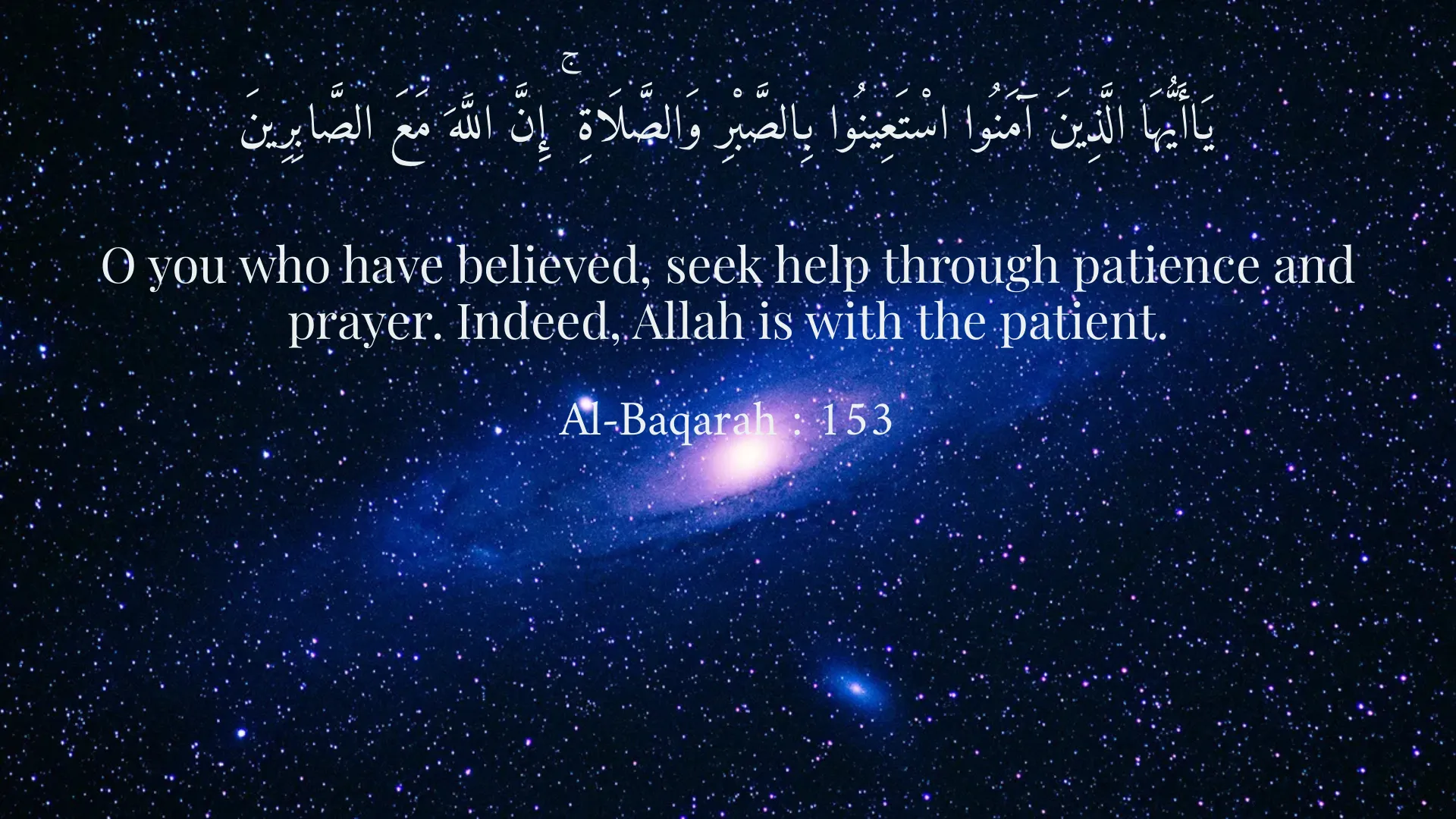
The Holy Quran, revered as the ultimate guide for Muslims worldwide, is rich with wisdom that offers solace and strategies for navigating the tumultuous waters of life. Among its pivotal messages, the Quran emphasizes the significance of patience and prayer, especially during challenging times. This article will explore several verses from the Holy Quran that provide believers with tools to maintain their composure when faced with adversity, illustrating the transformative power of faith in fostering inner peace. A foundational verse that encapsulates this message is found in Surah Al-Baqarah (Chapter 2), verse 153. This verse states, 'O you who have believed, seek help through patience and prayer. Indeed, Allah is with the patient.' Here, the Quran presents patience and prayer as dual instruments for finding peace amid life's difficulties. Rather than succumbing to despair or anxiety, believers are encouraged to seek solace in their faith through these practices. Patience, in this context, is not merely passive endurance but an active, conscious effort to maintain one’s faith and composure in the face of trials. This verse reassures the believer that Allah is with those who are patient, thus providing divine support that fosters resilience. Patience (Sabr) is a recurring theme in the Quran, signifying its importance in a believer's life. The Quran acknowledges that life is replete with challenges, and the ability to stay patient is a mark of spiritual maturity. The psychological implications of this verse are profound; it encourages individuals to adopt a mindset that views obstacles as opportunities for growth rather than insurmountable hurdles. Through patience, believers can cultivate a sense of inner peace that transcends their immediate circumstances, fostering a tranquil heart and mind. In further exploring the link between striving in faith and divine guidance, Surah Al-Ankabut (Chapter 29), verse 69, states, 'And those who strive for Us, We will surely guide them to Our ways, and indeed, Allah is with the doers of good.' This verse emphasizes the concept of striving (Jihad) in the path of righteousness, which can include both physical and spiritual efforts. The term 'strive' here suggests an active pursuit of goodness, whether through personal development, community service, or adherence to ethical standards. This divine promise of guidance is particularly relevant during times of hardship. When individuals encounter difficulties, this verse serves as a reminder that their struggles are part of a larger journey toward personal and spiritual growth. It assures believers that as they endeavor to overcome challenges, they are not alone; Allah’s guidance is ever-present to assist them. Moreover, this guidance often comes through the community of believers, reinforcing the value of support systems that can foster resilience in tight-knit social structures. By embracing the challenges of life with faith and the commitment to do good, individuals can find clarity and purpose, thus enhancing their spiritual well-being. Additionally, the Quran provides instruction on the importance of charity and compassion in Surah At-Talaq (Chapter 65), verse 7, which states, 'And let the one who has abundance spend from his abundance; and whoever is given a provision restrictively - then let him spend of what Allah has given him.' This verse encourages believers to acknowledge their blessings and share with others, particularly during challenging times when the inclination may be to hoard resources rather than extend kindness. The act of giving, especially in times of personal difficulty, can have a profound psychological impact. Engaging in charitable acts not only alleviates the suffering of others but also enhances the giver's emotional state, fostering feelings of empathy and connectedness. The Quran emphasizes that true wealth lies not in material possessions but in acts of kindness and generosity. By alleviating the burden of others, believers can experience their own struggles in a new light, realizing that they have the capacity to influence positive change in the lives of those around them. Moreover, the teachings of the Quran highlight that in practicing patience and engaging in good deeds, believers not only seek peace during their personal hardships but also contribute to the collective well-being of their community. This interconnectedness is vital; it builds a resilient community where individuals support one another through acts of kindness and shared faith. In essence, the act of giving fosters unity and solidarity, reminding individuals that they are part of a larger tapestry of humanity where everyone experiences trials and tribulations. In summary, the Holy Quran presents a holistic approach to finding tranquillity amidst life's challenges. Verses such as Surah Al-Baqarah, verse 153, Surah Al-Ankabut, verse 69, and Surah At-Talaq, verse 7, collectively underline the importance of patience, prayer, and altruism as potent responses to adversity. They encourage believers to remain steadfast in their faith, emphasizing that Allah’s guidance and support are always accessible, especially when confronting life’s difficulties. Ultimately, cultivating peace during tough times necessitates a deep connection with the divine, enduring patience in prayer, and a commitment to caring for others. These spiritual principles not only empower individuals to face their own challenges with grace but also inspire a legacy of goodness that resonates throughout communities, illustrating the enduring power of faith to transform lives. By adhering to these teachings, believers can navigate life's complexities while fostering inner tranquillity, a goal that resonates deeply within the human experience.
Related Verses
يَاأَيُّهَا الَّذِينَ آمَنُوا اسْتَعِينُوا بِالصَّبْرِ وَالصَّلَاةِ ۚ إِنَّ اللَّهَ مَعَ الصَّابِرِينَ
O you who have believed, seek help through patience and prayer. Indeed, Allah is with the patient.
Al-Baqarah : 153
وَ الَّذِينَ جَاهَدُوا فِينَا لَنَهْدِيَنَّهُمْ سُبُلَنَا ۗ وَ إِنَّ اللَّهَ لَمَعَ الْمُحْسِنِينَ
And those who strive for Us, We will surely guide them to Our ways, and indeed, Allah is with the doers of good.
Al-Ankabut : 69
وَلَمَن صَبَرَ وَغَفَرَ إِنَّ ذَٰلِكَ لَمِنْ عَزْمِ الْأُمُورِ
And let the one who has abundance spend from his abundance; and whoever is given a provision restrictively - then let him spend of what Allah has given him.
At-Talaq : 7
Short Story
One day, Maryam felt hopeless in the face of life's challenges. She decided to dedicate time to prayer and supplication. As she drew nearer to God in prayer, she felt a greater sense of peace and strength. She also began to help her friends and realized that with every good deed, more serenity was infused into her life.