Quranic Answer
The Holy Quran, revered as the ultimate source of guidance for Muslims around the world, provides profound teachings on spirituality, morality, and the essence of human existence. Among its most potent themes is the importance of remembering God (Dhikr). The Quran emphasizes various moments in life that are particularly auspicious for engaging in remembrance, one of which is during the tranquil hours of the night and in the quiet of morning. This essay explores the significance and methodologies of remembering God as outlined in the Quran, as well as the spiritual benefits derived from these practices. One of the defining verses in the Quran that encapsulates the relationship between life, sleep, and divine omnipotence is found in Surah Al-Mu'minun, verse 14, where Allah proclaims, "Then We created him as another creation." This verse serves as a reminder of the transitory nature of human life and the control God holds over it. The act of recalling God at such critical moments underscores both vulnerabilities and the divine grace that allows for sleep—an essential aspect of human life. Through sleep, God provides rest, rejuvenation, and a chance for reflection, allowing us to ponder our existence and our purpose in accordance with divine wisdom. Engaging in Dhikr and dua (supplication) during the night is highly recommended in Islamic tradition. One can derive a sense of solace and peace through this remembrance, which also fosters a deep connection with the Creator. Phrases such as "Subhanallah" (Glory be to God), "Alhamdulillah" (All praise be to God), and "Allahu Akbar" (God is the Greatest) serve as powerful tools for this remembrance. In Surah Al-Isra, verse 79, Allah states: "And in the night, pray with it as an additional prayer for you; perhaps your Lord will raise you to a praiseworthy station." This verse highlights not only the importance of night prayers but also suggests the immeasurable rewards that can be derived from such devotion. The nighttime provides a unique environment for prayer and reflection. As the world becomes quieter, distractions fade, and individuals can connect with their inner selves. Reciting verses from the Quran before sleeping is encouraged as it not only calms the mind but also deepens one’s relationship with God. This practice enables believers to drift into sleep with peace and tranquility, enveloped in the divine words that guide their souls. Imam Ali (AS) offers a poignant insight by noting, "The best time for remembering God is when we are alone in the darkness of the night, having private conversations with Him." This highlights the idea that solitude brings individuals closer to God, creating a space where they can openly communicate their thoughts, fears, and aspirations. At such times, it is often believed that Allah is especially close to His servants, ready to listen and respond to sincere prayers. This reflected intimacy fosters a unique bond between the believer and the Creator, transforming nighttime into a sacred opportunity for spiritual engagement. Moreover, the Quran encourages believers to take account of themselves in the quietness of night. This practice of self-assessment and reflection allows individuals to evaluate their actions, intentions, and overall state of spirituality. It acts as a moment of reckoning where one can seek forgiveness for mistakes made throughout the day and express gratitude for the blessings received. This dynamic of reflection contributes to the holistic growth of an individual, fostering traits such as humility and gratitude that are central to ethical living. In addition, the ritual of nightly prayers—termed Tahajjud—holds immense significance in Islamic tradition. These prayers, performed in the last third of the night, are considered to be one of the most virtuous acts of worship. The Prophet Muhammad (peace be upon him) encouraged his followers to engage in Tahajjud, emphasizing the spiritual rewards associated with it. It is believed that during the last part of the night, Allah descends to the lowest heaven, calling out to His servants, asking if there are any who wish to seek forgiveness, wish for something, or ask Him for aid. Such a beautiful moment highlights the mercy of God and the unparalleled opportunities provided during the stillness of the night. Research suggests that engaging in spiritual practices such as Dhikr can lead to psychological benefits, including reduced anxiety and stress levels. The contemplative nature of these rituals promotes mindfulness, allowing individuals to find peace amid life’s challenges. It provides a healthy coping mechanism where an individual’s focus shifts away from worldly concerns to divine assurance and guidance. The act of remembrance thus becomes not merely an obligation but a therapeutic outlet for mental and emotional well-being. In conclusion, the fulfillment of human life lies in maintaining a continuous connection with God. The teachings of the Holy Quran guide believers in nurturing this bond through acts of remembrance, particularly during the stillness of the night and early morning hours. Engaging in Dhikr and dua during these spiritually charged moments cultivates a deeper understanding of one's purpose and reinforces a life grounded in gratitude and humility. The transformative power of remembering God enables individuals to navigate the complexities of life with grace, fostering a sense of peace and contentment through obedience to divine will. Ultimately, as we immerse ourselves in the noble acts of remembrance, particularly during the gentle embrace of night, we find solace in the knowledge that we are in the presence of God. It is during these sacred moments that we can truly appreciate the beauty of our existence and the boundless mercy of our Creator.
Related Verses
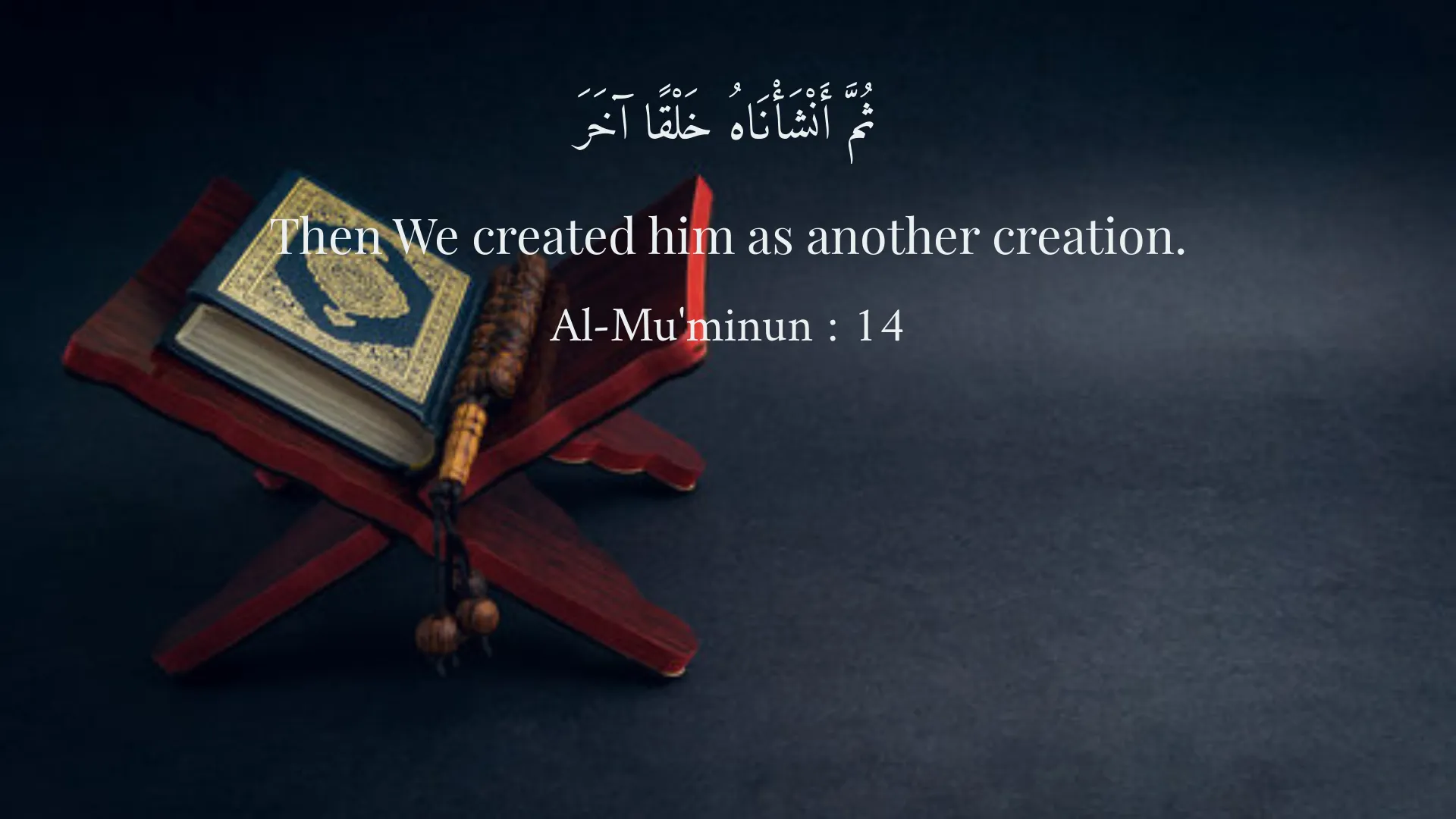
ثُمَّ أَنْشَأْنَاهُ خَلْقًا آخَرَ
Then We created him as another creation.
Al-Mu'minun : 14
وَمِنَ اللَّيْلِ فَتَهَجَّدْ بِهِ نَافِلَةً لَكَ عَسَى أَنْ يَبْعَثَكَ رَبُّكَ مَقَامًا مَحمُودًا
And in the night, pray with it as an additional prayer for you; perhaps your Lord will raise you to a praiseworthy station.
Al-Isra : 79
Short Story
One night, Amir woke up and decided to dedicate time to remember God. He recited verses of the Quran and fell asleep peacefully, with the remembrance of God in his heart. In the morning, he felt more at peace and closer to God.