Quranic Answer
The Importance of Good Speech and the Tongue as a Divine Gift Introduction The tongue is one of the most remarkable gifts bestowed upon humanity by the divine. It serves as a powerful tool for communication, expression, and connection with others. As articulated in various religious texts, particularly the Holy Quran, the tongue should be utilized wisely, promoting goodness and charity rather than discord and negativity. This article explores the significance of good speech, the underlying moral principles, and the profound influence our words can have on ourselves and the society around us. The Divine Emphasis on Good Speech In numerous verses, the Holy Quran emphasizes the importance of choosing our words carefully. This is especially evident in Surah An-Nisa, verse 36. Here, Allah commands the believers to engage in good deeds and to express kindness towards parents, relatives, orphans, the needy, and neighbors through their words. This injunction directly correlates our responsibilities towards others with the manner in which we communicate. It is a reminder that our spoken words should embody compassion and sincerity. The Tongue: A Tool for Change Our ability to speak provides us with a unique opportunity to enact positive change in our lives and the lives of others. Words have the potential to inspire, heal, and uplift. They can transform disheartened spirits and bolster the resolve of those facing difficulties. Conversely, inappropriate and hurtful language can lead to division, misunderstanding, and animosity. Thus, we have an ethical obligation to harness the power of our tongues for the greater good. Prophetic Teachings on the Tongue The life and teachings of the Prophet Muhammad (peace be upon him) serve as the quintessential example of how to wield the tongue wisely. In one of his famous sayings, he stated: "Whoever believes in Allah and the Last Day should speak good words or remain silent." This profound statement encapsulates the essence of responsible communication. It serves as a reminder that every word we utter should contribute positively to the world around us. If we have nothing constructive to say, silence becomes the better choice. The Influence of Words on Relationships Words hold immense power when it comes to forging and nurturing relationships. Kind and supportive language fosters trust, loyalty, and affection among family members, friends, and colleagues. A simple phrase of encouragement can uplift someone who feels disheartened, while a sincere apology can mend a broken bond. The ability to articulate our feelings, whether of love, gratitude, or empathy, ultimately shapes our connections with others. Therefore, it is essential to cultivate a habit of speaking positively and kindly. Challenges in Practicing Good Speech However, the practice of good speech is not always straightforward, especially in stressful or contentious situations. Our emotions may lead us to express frustration, anger, or disdain. In Surah Al-Hadid, verse 25, believers are advised to speak the truth and to avoid insults, even in the face of disagreement. This calls for a level of self-discipline and emotional intelligence that allows us to navigate difficult conversations with grace and empathy. Maintaining a calm demeanor and choosing our words wisely during conflicts can greatly contribute to a more peaceful resolution. Cultivating a Positive Speech Environment Creating a positive environment through our words requires intention and practice. It starts with self-awareness—recognizing the impact of our speech not only on others but also on ourselves. Engaging in affirmative self-talk, offering compliments, and sharing encouraging messages can help cultivate a supportive atmosphere. Moreover, expressing gratitude and appreciation not only strengthens bonds with others but serves as a reminder to ourselves of the abundance in our lives. The Role of Prayer and Kind Words Another essential aspect of utilizing our tongues for good is the power of prayer. Speaking words of sincerity and compassion, even in the form of prayer for others, can bring positive transformation. Wishing for the success and well-being of others exemplifies the highest form of generosity. Such prayers can be a source of comfort for those in need, reshaping the fabric of our community and inspiring hope especially during challenging times. Conclusion In conclusion, the tongue is a divine gift that carries the weight of responsibility. As articulated in the Holy Quran and reflected in the teachings of the Prophet Muhammad (peace be upon him), we should strive to use our speech as a medium for positive influence, charity, and goodwill. Good talk and kindness can foster unity, healing, and understanding in a world that often faces division and hostility. By consciously cultivating our speech and expressing goodness through our words, we become agents of change, nurturing an environment conducive to love and kindness. Thus, let us embrace the power of the tongue, dedicate it to the service of others, and make it a tool for goodness, as we answer the divine call for virtuous communication.
Related Verses
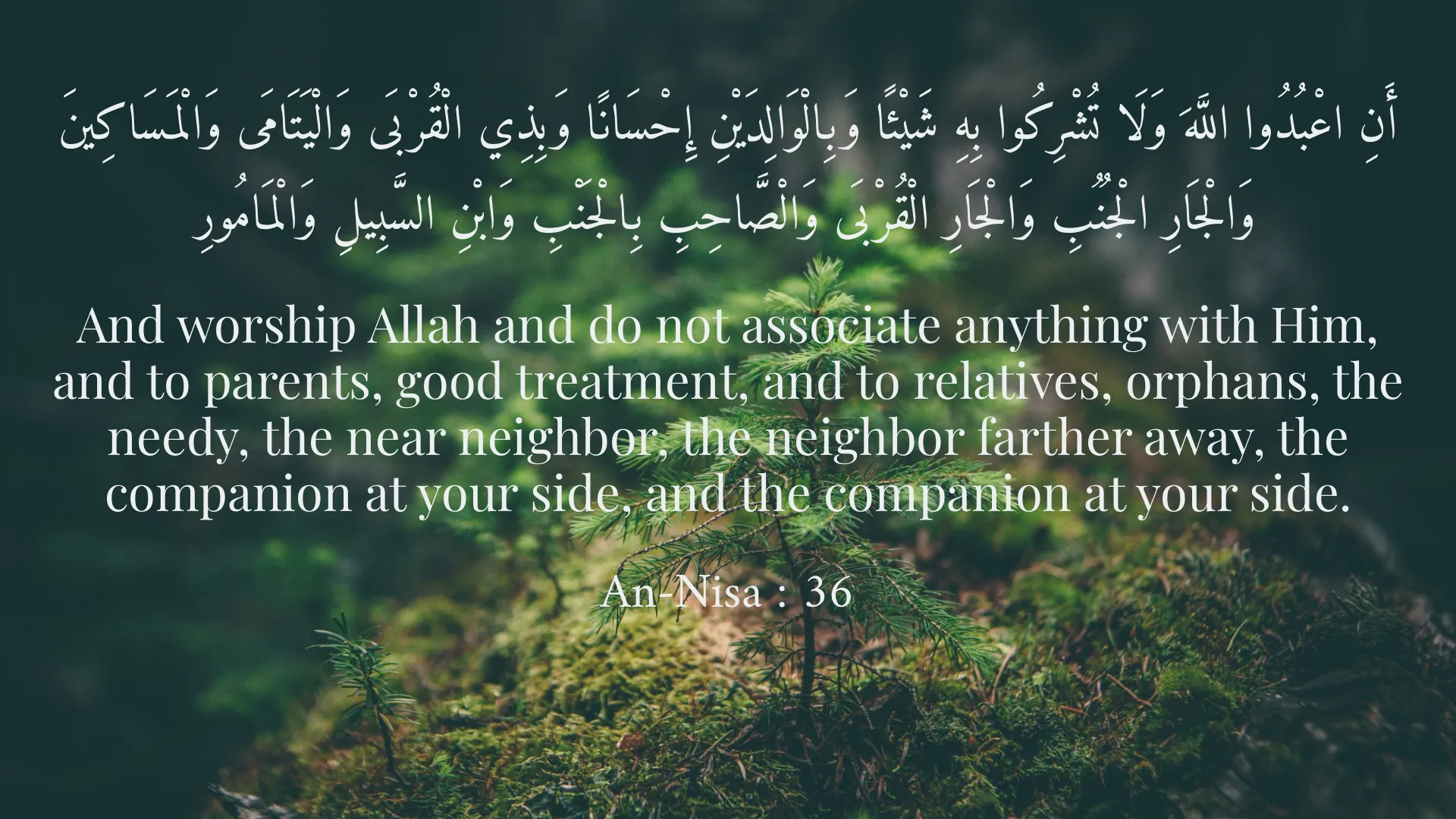
أَنِ اعْبُدُوا اللَّهَ وَلَا تُشْرِكُوا بِهِ شَيْئًا وَبِالْوَالِدَيْنِ إِحْسَانًا وَبِذِي الْقُرْبَى وَالْيَتَامَى وَالْمَسَاكِينَ وَالْجَارِ الْجُنُبِ وَالْجَارِ الْقُرْبَى وَالْصَّاحِبِ بِالْجَنْبِ وَابْنِ السَّبِيلِ وَالْمَامُورِ
And worship Allah and do not associate anything with Him, and to parents, good treatment, and to relatives, orphans, the needy, the near neighbor, the neighbor farther away, the companion at your side, and the companion at your side.
An-Nisa : 36
لَقَدْ أَرْسَلْنَا رُسُلَنَا بِالْبَيِّنَاتِ وَأَنزَلْنَا مَعَهُمُ الْكِتَابَ وَالْمِيزَانَ لِيَقُومَ النَّاسُ بِالْقِسْطِ
Indeed, We sent Our messengers with clear signs and sent down with them the Scripture and the balance that the people may maintain [justice].
Al-Hadid : 25
Short Story
Once upon a time, there was a man named Hasan who always thought about goodness and kindness towards others. He decided to dedicate his days to speaking kind words and encouraging his friends and family. With this, Hasan not only positively impacted his own life but also gave hope and motivation to others. He believed that the tongue could be like a tree, nurturing beautiful flowers in people's hearts with its words.