Quranic Answer
In the profound and rich teachings of the Holy Quran, the theme of forgiveness (al-Afw), overlooking (as-Safh), and pardoning the mistakes of others holds a remarkably high and esteemed position. The Quran repeatedly calls believers towards this immense moral virtue, presenting it as one of the signs of piety, benevolence, and nobility of soul. However, is this forgiveness always and under all circumstances a mandatory obligation, or is it accompanied by specific conditions and considerations? To accurately understand this matter, it is essential to refer to several key verses and concepts in the Quran. The Quran, in many verses, explicitly points to the virtue of forgiveness and encourages believers to embrace it. For instance, in Surah Al-Imran, verse 134, Allah describes the righteous (Muttaqeen) as: "Those who spend [in the cause of Allah] during ease and hardship and who restrain anger and who pardon the people - and Allah loves the doers of good." This verse clearly indicates that forgiveness and overlooking are prominent qualities of pious and benevolent individuals, beloved by Allah. In Surah An-Nur, verse 22, regarding those who have been wronged, Allah says: "And let not those among you who are blessed with grace and wealth swear not to give [any longer] to their relatives and the needy and the emigrants for the cause of Allah. But let them pardon and overlook. Would you not like that Allah should forgive you? And Allah is Forgiving and Merciful." This verse was specifically revealed concerning Abu Bakr, who had sworn not to assist Mistah (who participated in spreading slander against the Prophet's wife). Allah encourages him to forgive and overlook, linking this forgiveness to divine pardon. This demonstrates the extraordinary value of forgiveness in the divine perspective. Nevertheless, it is crucial to note that alongside the recommendation for forgiveness, the Holy Quran places great emphasis on the principle of justice (Adl) and the upholding of rights. Islam is a religion of justice, and it never advocates for absolute waiving of rights where it might lead to greater injustice or cause corruption. A pivotal set of verses in this regard are verses 40 to 43 of Surah Ash-Shura: "And the recompense of an evil deed is an evil deed like it; but whoever pardons and makes reconciliation - his reward is due from Allah. Indeed, He does not like wrongdoers. (40) And whoever defends himself after being wronged - for them there is no way [of blame]. (41) The way [of blame] is only against those who oppress people and tyrannize upon the earth without right. For them is a painful punishment. (42) But whoever is patient and forgives - indeed, that is of the matters [requiring] determination. (43)" These verses clearly indicate that: 1. The recompense for an evil deed is a similar evil deed (the principle of Qisas or retaliation within the bounds of justice). 2. Whoever pardons and (by their pardon) makes reconciliation, their reward is with Allah. This shows that forgiveness is an optional choice that carries immense reward, not a perpetual obligation. 3. Those who defend themselves after being wronged (i.e., demand their rights or retaliate justly) are not to be blamed. This verse clearly recognizes the right to self-defense and the demanding of rights for the wronged. 4. Blame is only upon those who oppress people and transgress on the earth without right. 5. But whoever is patient and forgives, that is indeed from the matters requiring strong will and determination. This means forgiveness is a great virtue, but it stands alongside the right to demand justice. Therefore, from these verses, it is understood that while forgiveness is highly emphasized and encouraged and carries immense spiritual reward, it is an optional right for the wronged individual, not an absolute and perpetual obligation. If forgiveness leads to the oppressor becoming bolder, or to the trampling of others' rights, or to societal chaos, in such cases, forgiveness is not only not obligatory but may even contradict the principles of Islamic justice. In cases involving Haqq Allah (rights pertaining to Allah, such as prescribed punishments for certain crimes) or Haqq al-Nas (public rights or rights of the community), forgiveness by an individual is generally not permissible or is limited. For example, in crimes that disrupt public order or have a Haqq Allah dimension, the Islamic judicial system operates based on justice and divine limits, and the mere forgiveness of an individual victim cannot lead to the disregard of the prescribed punishment. However, in personal and private rights, Islam gives individuals the choice to either demand their right or to forgive and pardon. Choosing forgiveness in this scenario is a sign of selflessness, piety, and nobility of spirit. Furthermore, it is important to note that true forgiveness should be accompanied by "reconciliation" (Islah). The verse "whoever pardons and makes reconciliation" indicates that the ideal forgiveness recommended by the Quran is one that leads to the improvement of the situation, reconciliation of relationships, and prevention of repeated wrongdoing. If forgiveness merely means overlooking and paves the way for further injustice, its wisdom might be questionable. Based on the Quranic verses, it can be concluded that forgiveness is among the highest virtues to which Allah invites believers, and for which He has prepared immense reward. This act demonstrates inner strength, piety, and magnanimity, leading to inner peace and connection with divine mercy. However, forgiveness is not always an absolute obligation. Rather, it is an optional right for the wronged individual, who can choose to exercise it or to demand their right. In situations where forgiveness leads to the violation of others' rights, encourages the oppressor to continue their wrongdoing, or jeopardizes social order and justice, it is not only not obligatory but may even be incorrect. Islam establishes a delicate balance between forgiveness and justice. The ultimate goal is the establishment of justice and goodness in society, and forgiveness is recommended within the framework of this goal. Therefore, while the general spirit of Quranic teachings emphasizes forgiveness and overlooking, this emphasis does not imply an unconditional obligation in every circumstance. The decision to forgive is made considering the circumstances and its outcomes. This choice carries an immense reward from Allah and is considered among "matters of determination," meaning actions requiring strong will and resolve. This expression itself indicates that forgiveness is a moral and spiritual option, not necessarily a mandatory duty that is always obligatory.
Related Verses
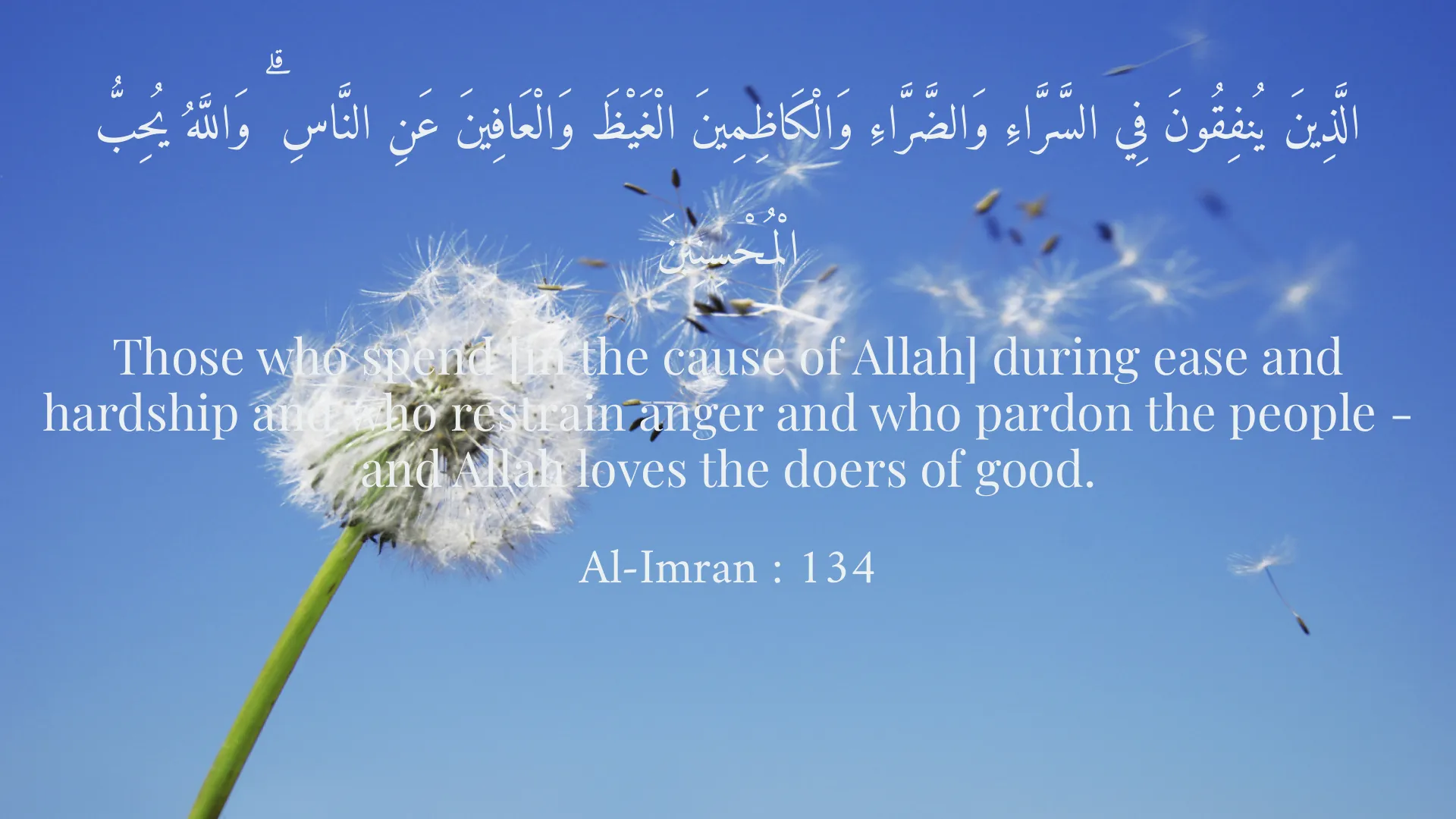
الَّذِينَ يُنفِقُونَ فِي السَّرَّاءِ وَالضَّرَّاءِ وَالْكَاظِمِينَ الْغَيْظَ وَالْعَافِينَ عَنِ النَّاسِ ۗ وَاللَّهُ يُحِبُّ الْمُحْسِنِينَ
Those who spend [in the cause of Allah] during ease and hardship and who restrain anger and who pardon the people - and Allah loves the doers of good.
Al-Imran : 134
وَلَا يَأْتَلِ أُولُو الْفَضْلِ مِنكُمْ وَالسَّعَةِ أَن يُؤْتُوا أُولِي الْقُرْبَىٰ وَالْمَسَاكِينَ وَالْمُهَاجِرِينَ فِي سَبِيلِ اللَّهِ ۖ وَلْيَعْفُوا وَلْيَصْفَحُوا ۗ أَلَا تُحِبُّونَ أَن يَغْفِرَ اللَّهُ لَكُمْ ۗ وَاللَّهُ غَفُورٌ رَّحِيمٌ
And let not those among you who are blessed with grace and wealth swear not to give [any longer] to their relatives and the needy and the emigrants for the cause of Allah. But let them pardon and overlook. Would you not like that Allah should forgive you? And Allah is Forgiving and Merciful.
An-Nur : 22
وَجَزَاءُ سَيِّئَةٍ سَيِّئَةٌ مِّثْلُهَا ۖ فَمَن عَفَا وَأَصْلَحَ فَأَجْرُهُ عَلَى اللَّهِ ۚ إِنَّهُ لَا يُحِبُّ الظَّالِمِينَ
And the recompense of an evil deed is an evil deed like it; but whoever pardons and makes reconciliation - his reward is due from Allah. Indeed, He does not like wrongdoers.
Ash-Shura : 40
وَلَمَنِ انتَصَرَ بَعْدَ ظُلْمِهِ فَأُولَٰئِكَ مَا عَلَيْهِم مِّن سَبِيلٍ
And whoever defends himself after being wronged - for them there is no way [of blame].
Ash-Shura : 41
وَلَمَن صَبَرَ وَغَفَرَ إِنَّ ذَٰلِكَ لَمِنْ عَزْمِ الْأُمُورِ
But whoever is patient and forgives - indeed, that is of the matters [requiring] determination.
Ash-Shura : 43
Short Story
It is narrated that in ancient times, a just king asked his vizier, "What is most important in governance?" The wise vizier replied, "Justice and mercy. For justice is the pillar of the kingdom, and mercy is the comfort of the subjects." The king then asked, "What would you do if someone wronged you?" The vizier replied, "If their wrongdoing was small, I would forgive, for forgiveness is a sign of nobility. But if their wrongdoing was great and infringed upon the rights of others, I would leave it to justice, so that the right of its owner is restored and no corruption arises." The king smiled and said, "Indeed, your nobility lies in knowing that sometimes forgiveness itself is wisdom, and sometimes establishing justice is mercy itself." This anecdote teaches us that forgiveness, though a great virtue, stands alongside justice and wisdom and should not prevent the upholding of rights.