Quranic Answer
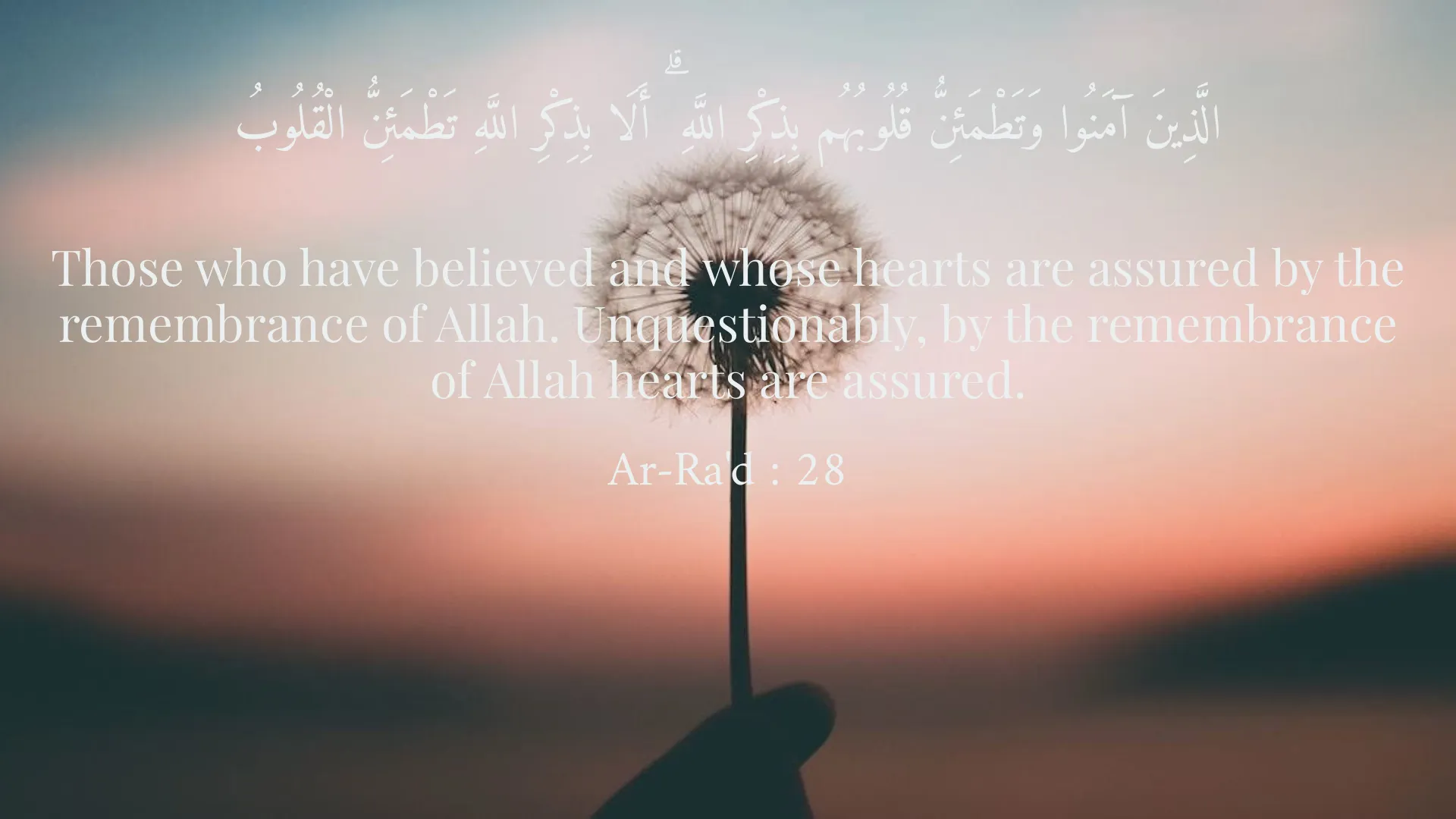
The question of what constitutes true happiness and its connection to God is one of the deepest and most fundamental inquiries that has occupied the human mind throughout history. At first glance, it might seem that individuals can achieve happiness through accumulating wealth, power, fame, physical pleasures, or worldly successes, even without believing in God or paying attention to divine matters. Many people in various societies, seemingly without regard for spiritual aspects, lead outwardly successful lives and enjoy moments of pleasure and satisfaction. But is this type of happiness “true happiness” and sustainable? The teachings of the Holy Quran offer a profound and distinct perspective on this issue that can help us understand this difference. The Quran not only answers this question but also illuminates the path to genuine well-being and inner peace. From the Quranic perspective, true and lasting happiness is something far beyond fleeting pleasures reliant on external factors. This kind of happiness is deeply rooted in a human being's connection with the Creator, acceptance of divine decree, finding meaning and purpose in life, and adhering to moral and human values. The Quran explicitly states that hearts find tranquility only in the remembrance of Allah. In Surah Ar-Ra'd, verse 28, Allah says: “الَّذِينَ آمَنُوا وَتَطْمَئِنُّ قُلُوبُهُم بِذِكْرِ اللَّهِ ۗ أَلَا بِذِكْرِ اللَّهِ تَطْمَئِنُّ الْقُلُوبُ” (Those who have believed and whose hearts are assured by the remembrance of Allah. Unquestionably, by the remembrance of Allah hearts are assured.) This foundational verse indicates that inner peace and tranquility, which are essential components of true happiness, will not be possible without the remembrance and presence of God in one's life. While a person might fill moments of heedlessness with fleeting pleasures, these pleasures will never lead to deep and lasting spiritual peace. Worldly joys, however appealing and deceptive, are inherently transient and unstable. The Quran repeatedly refers to the impermanence of worldly life and its adornments. In Surah Al-Imran, verse 14, Allah states: “زُيِّنَ لِلنَّاسِ حُبُّ الشَّهَوَاتِ مِنَ النِّسَاءِ وَالْبَنِينَ وَالْقَنَاطِيرِ الْمُقَنطَرَةِ مِنَ الذَّهَبِ وَالْفِضَّةِ وَالْخَيْلِ الْمُسَوَّمَةِ وَالْأَنْعَامِ وَالْحَرْثِ ۗ ذَٰلِكَ مَتَاعُ الْحَيَاةِ الدُّنْيَا ۖ وَاللَّهُ عِندَهُ حُسْنُ الْمَآبِ” (Beautified for people is the love of desires, women, children, heaped-up sums of gold and silver, fine branded horses, livestock, and tilled land. That is the enjoyment of worldly life, but Allah has with Him the best return.) This verse reminds us that these pleasures are merely “mata’ al-hayat al-dunya” (the enjoyment of worldly life); that is, temporary tools that are not ends in themselves and cannot be the source of endless happiness. Individuals who cling solely to these worldly possessions ultimately face an inner void and a sense of emptiness, because the human soul requires something beyond material things. When a person severs their connection with God or ignores Him in their life, they experience a kind of spiritual distress and constricted living, even if they are at the pinnacle of material prosperity. The Quran points to this bitter truth in Surah Taha, verse 124: “وَمَنْ أَعْرَضَ عَن ذِكْرِي فَإِنَّ لَهُ مَعِيشَةً ضَنكًا وَنَحْشُرُهُ يَوْمَ الْقِيَامَةِ أَعْمَىٰ” (And whoever turns away from My remembrance - indeed, he will have a difficult life, and We will gather him on the Day of Resurrection blind.) “Ma'ishatan dhankā” (a difficult life) does not merely mean material poverty but refers to a life full of worry, anxiety, despair, and emptiness, which is observed even among the wealthiest individuals without faith. This hardship stems from the absence of a firm reliance and a source of inner peace. Someone who does not have God cannot find true meaning when facing problems, despair, disappointment, death, and annihilation, and thus falls into aimlessness. True happiness, as referred to in the Quran, is a kind of inner peace and contentment that accompanies a person not only in joys but also in hardships and calamities. A believer who has faith in Allah knows that whatever happens is by divine will and that there is wisdom behind every difficulty. This perspective enables them to overcome crises with patience and reliance on God, achieving tranquility even amidst adversity. This is what is called “inner happiness” and is synonymous with the concept of “sa'adah” (well-being/felicity) in Islamic literature. This well-being is attained only through faith in God and righteous deeds, accompanying the individual in this life and the hereafter. This type of happiness is stable and enduring because it is connected to an eternal and unchanging source, the Divine essence. In other words, happiness without God might be a superficial and momentary experience stemming from external factors. This type of happiness is akin to drinking salty water to quench thirst; the more you drink, the thirstier you become. Without a connection to God, the more one pursues material pleasures, the less true satisfaction and fulfillment they feel, constantly seeking something new to fill an inner void. In contrast, happiness based on faith and a connection with God is a clear spring that flows from within a person and is not dried up by any external factor. This spring brings stability, meaning, and purpose to life, protecting a person from the turmoils of worldly life. Therefore, it can be definitively stated that true and lasting happiness is not possible without the remembrance and presence of the Lord in one's heart and life, and anything else is merely a mirage that distracts one from the path of true felicity. The Holy Quran expresses this truth in the best possible way and guides humanity toward this eternal peace and happiness.
Related Verses
الَّذِينَ آمَنُوا وَتَطْمَئِنُّ قُلُوبُهُم بِذِكْرِ اللَّهِ ۗ أَلَا بِذِكْرِ اللَّهِ تَطْمَئِنُّ الْقُلُوبُ
Those who have believed and whose hearts are assured by the remembrance of Allah. Unquestionably, by the remembrance of Allah hearts are assured.
Ar-Ra'd : 28
زُيِّنَ لِلنَّاسِ حُبُّ الشَّهَوَاتِ مِنَ النِّسَاءِ وَالْبَنِينَ وَالْقَنَاطِيرِ الْمُقَنطَرَةِ مِنَ الذَّهَبِ وَالْفِضَّةِ وَالْخَيْلِ الْمُسَوَّمَةِ وَالْأَنْعَامِ وَالْحَرْثِ ۗ ذَٰلِكَ مَتَاعُ الْحَيَاةِ الدُّنْيَا ۖ وَاللَّهُ عِندَهُ حُسْنُ الْمَآبِ
Beautified for people is the love of desires, women, children, heaped-up sums of gold and silver, fine branded horses, livestock, and tilled land. That is the enjoyment of worldly life, but Allah has with Him the best return.
Al-Imran : 14
وَمَنْ أَعْرَضَ عَن ذِكْرِي فَإِنَّ لَهُ مَعِيشَةً ضَنكًا وَنَحْشُرُهُ يَوْمَ الْقِيَامَةِ أَعْمَىٰ
And whoever turns away from My remembrance - indeed, he will have a difficult life, and We will gather him on the Day of Resurrection blind.
Taha : 124
Short Story
It is narrated that in ancient times, there lived a very wealthy merchant in Baghdad who possessed everything he desired: a magnificent palace, numerous servants, and all kinds of luxuries. Yet, he always had a restless heart and an agitated soul, and his happiness was very fleeting. Whenever sadness crept into his heart, he would embark on a journey in search of new pleasures, but still felt an inner emptiness. One day, during his travels, he came across an old dervish sitting under a tree, with a serene heart and a bright face, smiling at every passerby. The merchant asked him, “O wise old man, what peace do you possess that I, with all my wealth, lack?” The dervish smiled and replied, “O youth, you have pinned your heart on the mirage of this world, thinking that the water of life is within it. But I have surrendered my heart to the Creator of existence, from whom the spring of tranquility flows. Your happiness comes from outside and vanishes with every breeze, but my happiness gushes from within, for I know that all that exists and does not exist is from Him, and to Him is the return of all. So how can my heart be restless?” Upon hearing this, the merchant fell into deep thought and realized that true happiness depends on connecting with the infinite source, not on pursuing the perishable pleasures of this world.