Quranic Answer
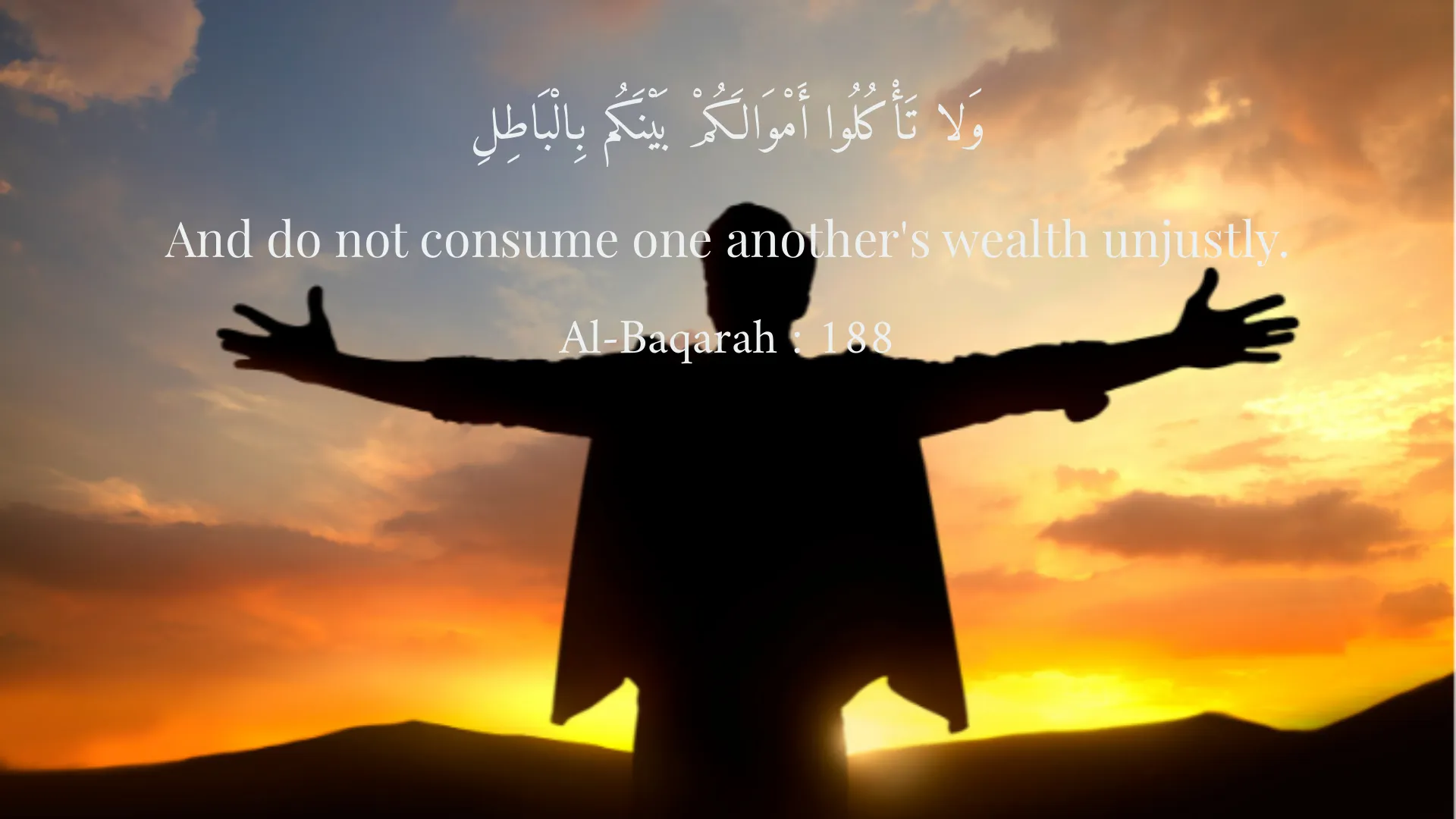
In the Holy Quran, actions that involve injustice and wrongdoing are clearly detailed, exposing the profound ethical framework that this divine text presents to humanity. The Quran is not merely a religious scripture but a comprehensive guide that addresses moral, social, and individual responsibilities. Among the multitude of issues it tackles, injustice stands out as a cardinal sin, one that undermines the tenets of faith and humanity alike. The verse from Surah Al-Baqarah (2:188) serves as a pivotal reminder: "And do not consume one another's wealth unjustly..." This verse illustrates a fundamental principle: individuals should refrain from partaking in wrongful acts that violate the rights of others. The admonition to avoid consuming wealth unjustly is an extension of the broader Islamic ethos, which condemns any form of oppression and wrongdoing. Injustice, as highlighted in the Quran, manifests in various forms—financial exploitation, emotional manipulation, and social inequality, to name a few. The command against unjustly acquiring wealth exemplifies the broader social contract that Islam promotes, where ethical dealings are paramount. By participating in unjust practices or contributing to the exploitation of others, individuals not only commit an act of immorality but also contravene the principles laid out by Allah. A significant aspect of the Quranic narrative is the stance taken against aiding oppressors. In situations where oppression is rampant, one must consciously choose to distance themselves from the oppressors, as their involvement lends credibility and support to their unjust actions. This is a stark reminder that passivity in the face of oppression is tantamount to complicity. Supporting an oppressor fundamentally jeopardizes the rights of those who are wronged, solidifying a cycle of injustice that can permeate social structures. Islam teaches that aiding the oppressor places a person among them, effectively branding their actions as sinful in the eyes of Allah. This perspective on social justice is critical in Islamic theology, emphasizing a duty towards the oppressed and an obligation to counteract wrongdoing whenever it arises. Further elaborating on the dire consequences of unjust actions, the Quran makes a profound statement in Surah Al-Ma'idah (5:32): "Whoever kills a soul unless for a soul or for corruption [done] in the land - it is as if he had slain mankind entirely..." This verse underscores the gravity of taking a life unjustly, equating the act of murder with a broader assault on humanity itself. It highlights the sanctity of individual life and the strict prohibitions that govern violent actions. Within this context, any form of injustice that leads to harm, be it physical or emotional, is unacceptable and warrants significant moral and spiritual consequence. The implications of this verse extend far beyond the act of murder; they encompass societal responsibilities to preserve life and protect the vulnerable against oppression and exploitation. An essential tenet of Islam is promoting justice and social responsibility. The Quranic guidance mandates that Muslims should actively engage in promoting justice and supporting those who suffer from oppression. The core message is that believers must embody the values of kindness, compassion, and fairness in their interactions with others. This extends not only to fellow Muslims but to all of humanity. Helping the oppressed is, therefore, a reflection of true faith and adherence to the principles of Islam. The Islamic concept of justice is expansive, recognizing that injustice can take many forms—structural, institutional, and interpersonal—each requiring proactive engagement to dismantle. This necessitates a critical reflection on societal norms and individual behaviors. Every Muslim is called upon to evaluate their surroundings and question whether they perpetuate injustice either through action or inaction. Standing against wrongdoing is not a mere suggestion; it is an obligation that underpins a righteous life and a just society. The Quran positions believers as guardians of justice, acting not only in their self-interest but in the interest of the collective morality of their communities. In a broader context, the imperative to assist the oppressed aligns with global human rights principles, drawing parallels with contemporary justice movements. The Quran’s timeless messages resonate in today’s world, where systemic injustices persist, and minorities often face oppression. The call to action for Muslims in these contexts is clear: they must take a stand, advocate for equity, and work towards ensuring that the rights of the marginalized are upheld. This engenders a collective responsibility to engage in efforts that dismantle oppression in all forms. In conclusion, the teachings of the Quran delineate a clear framework regarding injustice and the importance of supporting the oppressed. The divine verses not only caution against injustice but actively encourage believers to pursue the path of righteousness and justice. Assisting the vulnerable and striving to correct wrongs is an embodiment of faith and societal obligation. Muslims are reminded that their actions carry significance not only in the spiritual realm but also in the tangible world around them. By choosing the path of justice and compassion, they honor their faith and contribute to a fairer, more equitable society. As they navigate their lives, believers should always be mindful of their choices, ensuring they align with the principles of justice enshrined in the Holy Quran.
Related Verses
وَلا تَأْكُلُوا أَمْوَالَكُمْ بَيْنَكُم بِالْبَاطِلِ
And do not consume one another's wealth unjustly.
Al-Baqarah : 188
مَن قَتَلَ نَفْسًۭا بِغَيْرِ نَفْسٍ أَوْ فَسَادٍ فِى الْأَرْضِ فَكَاَنَّمَا قَتَلَ النَّاسَ جَمِيعًۭا
Whoever kills a soul unless for a soul or for corruption [done] in the land - it is as if he had slain mankind entirely.
Al-Ma'idah : 32
Short Story
Once upon a time, a friend named Hassan unjustly judged another person and assisted him. After a while, Hassan saw that this person was committing great injustice against others. He realized that helping such individuals is not only a great sin but also leads him astray. So he decided to help the oppressed and, on this path, remember God.