Quranic Answer
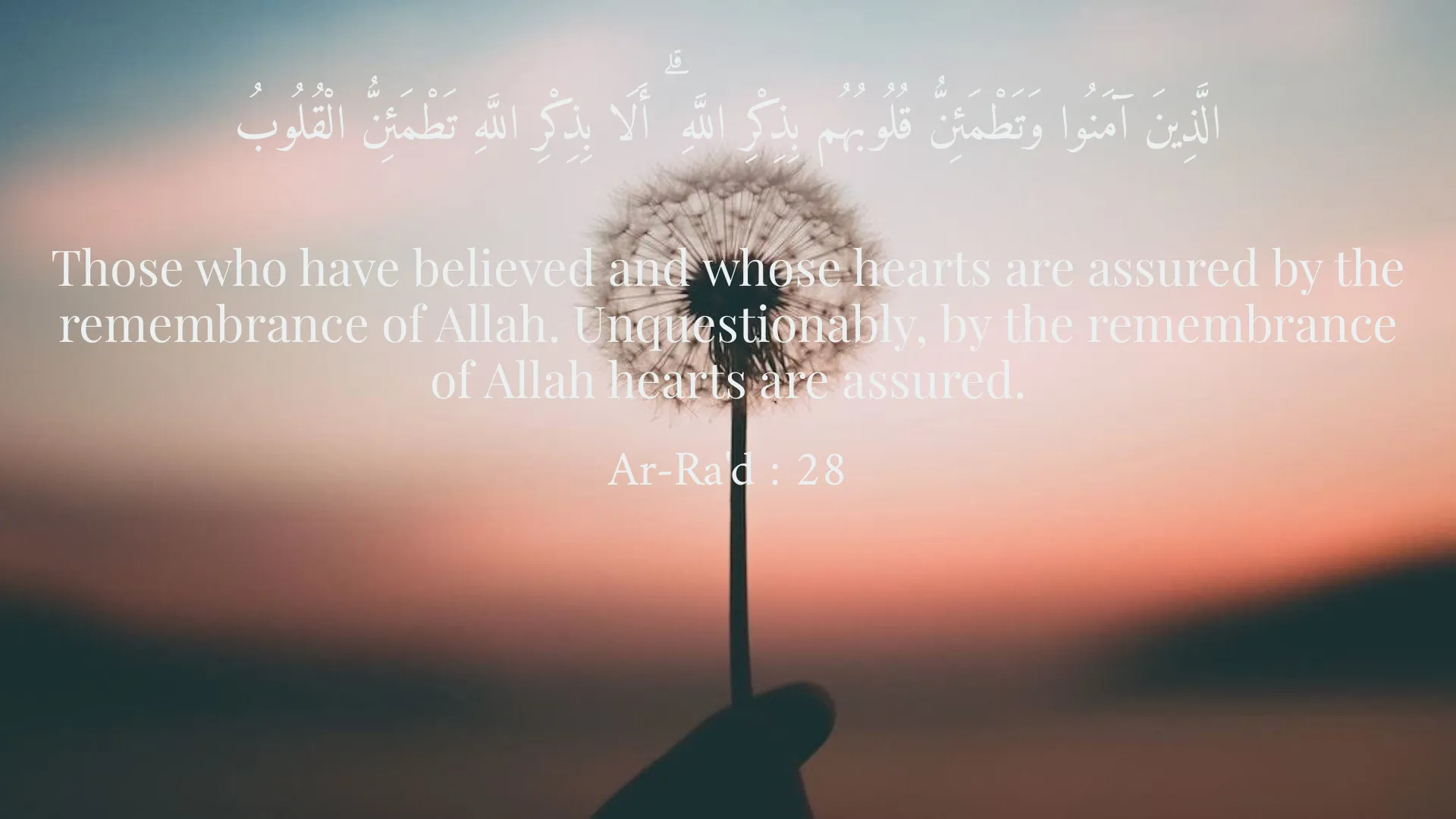
Understanding the concept of spirituality and how it manifests in the life of a believer is a profound and often challenging topic. Many people assume that spirituality means constantly experiencing a state of ecstasy, absolute tranquility, or the perpetual presence of warm and deep emotions in connection with God. But does the Holy Quran demand such an expectation from believers? Is it necessary to always be immersed in these feelings to consider oneself spiritual? The Quran's answer, delivered with subtlety and wisdom, indicates that true spirituality transcends emotional fluctuations and is rooted in the constancy of actions, heartfelt conviction, and reliance upon God. The Holy Quran teaches us that faith (Iman), righteous deeds (amal saleh), and steadfastness (istiqamah) on the path of truth are the main pillars of spiritual life. Emotions, though beautiful and valuable, can be variable. Humans are emotional beings, and it is natural to sometimes experience a deeper sense of closeness and spiritual presence, while at other times being caught up in daily routines, challenges, or even a period of spiritual lethargy (fatrah). The Quran emphasizes steadfastness and firmness; as it states in Surah Hud, verse 112: "So remain on a straight course as you have been commanded, [you] and those who have turned back with you, and do not transgress. Indeed, He is Seeing of what you do." This verse shows that what is desired by Allah is consistency in the path of truth and the fulfillment of duties, regardless of how one feels at the moment. Spirituality, from a Quranic perspective, is more than a fleeting feeling; it is a lifestyle and a permanent approach to existence. The remembrance of God (dhikr Allah) brings peace to hearts, but this peace does not always imply an emotional thrill. Sometimes inner peace comes from accepting divine decree, relying on God during the height of difficulties, and continuing righteous deeds, even when emotional motivations are low. In Surah Ar-Ra'd, verse 28, it is stated: "Those who have believed and whose hearts are assured by the remembrance of Allah. Unquestionably, by the remembrance of Allah hearts are assured." This verse refers to the "assurance" of the heart, not necessarily constant "excitement" or "passion." This tranquility is the result of inner certainty in God and reliance on Him, even when life's hardships impose negative feelings on a person. Human life is full of ups and downs. There are moments when faith is strong and the feeling of closeness to God is abundant, and moments when one feels distant and weak. The important thing is not to be discouraged during these "periods of lethargy" and not to give up trying to connect with God. The Quran invites us to patience and seeking help through prayer; "O you who have believed, seek help through patience and prayer. Indeed, Allah is with the patient" (Al-Baqarah, 153). Patience here means resistance against difficulties and not despairing, and continuing acts of worship even in the absence of strong feelings. Prayer, remembrance (dhikr), recitation of the Quran, and performing good deeds, even if they do not create a deep feeling at the moment, gradually nurture the seed of spirituality within a person over the long term and eventually bear fruit. These actions are the pillars of connection with God and should not be abandoned due to emotional fluctuations. The primary goal of spirituality in Islam is to attain God's pleasure and proximity to Him, not merely to satisfy personal emotions. Sometimes, the true test of faith is to adhere to one's religious duties and continue the path of servitude even when there is no strong spiritual feeling. This steadfastness and perseverance are what truly hold value and indicate the depth of faith. Indeed, the very act of continuing good deeds, even in the absence of those pleasant feelings, can lead to the strengthening of faith and the return of those feelings. Allah rewards our efforts, not just our emotions. Therefore, it is not necessary to always experience spirituality as an ecstatic feeling or absolute tranquility. What is important is to be steadfast in the divine path with our actions and our hearts, and to know that Allah Almighty is always aware of our sincere efforts and intentions and knows what is in the heart better than anyone. Thus, consistency in actions and trust in divine wisdom form the foundation of true spirituality, not a constant expectation of a specific emotional state.
Related Verses
الَّذِينَ آمَنُوا وَتَطْمَئِنُّ قُلُوبُهُم بِذِكْرِ اللَّهِ ۗ أَلَا بِذِكْرِ اللَّهِ تَطْمَئِنُّ الْقُلُوبُ
Those who have believed and whose hearts are assured by the remembrance of Allah. Unquestionably, by the remembrance of Allah hearts are assured.
Ar-Ra'd : 28
يَاأَيُّهَا الَّذِينَ آمَنُوا اسْتَعِينُوا بِالصَّبْرِ وَالصَّلَاةِ ۚ إِنَّ اللَّهَ مَعَ الصَّابِرِينَ
O you who have believed, seek help through patience and prayer. Indeed, Allah is with the patient.
Al-Baqarah : 153
فَاسْتَقِمْ كَمَا أُمِرْتَ وَمَن تَابَ مَعَكَ وَلَا تَطْغَوْا ۚ إِنَّهُ بِمَا تَعْمَلُونَ بَصِيرٌ
So remain on a straight course as you have been commanded, [you] and those who have turned back with you, and do not transgress. Indeed, He is Seeing of what you do.
Hud : 112
Short Story
Once upon a time, there was a dervish who constantly sought ecstatic experiences and sublime spiritual states. He believed that the path to God was only through profound excitements and unending passions. Whenever these states eluded him, he would become disheartened and neglect his worship. A wise Sufi master observed him, smiled, and said: "My young one, does the sun always shine with the same fervent heat as it does at noon? No, sometimes it rises gently and sometimes with blazing brilliance. But does it ever cease to shine? No. The secret of light lies in its constancy, not in its momentary intensity. So too is the human heart. Sometimes it throbs with passion, and sometimes with a hidden tranquility. True spirituality is not in perpetual rapture, but in the steadfastness of action and remembrance of God, even when your heart seems dim. For a gardener waters to make the tree grow, not just for the flowers to bloom beautifully for a moment. Constant watering, even if little, is more effective than a one-day flood." The dervish took heed of these words and understood that the path to God is one of perseverance, not the constant expectation of a specific feeling.