Quranic Answer
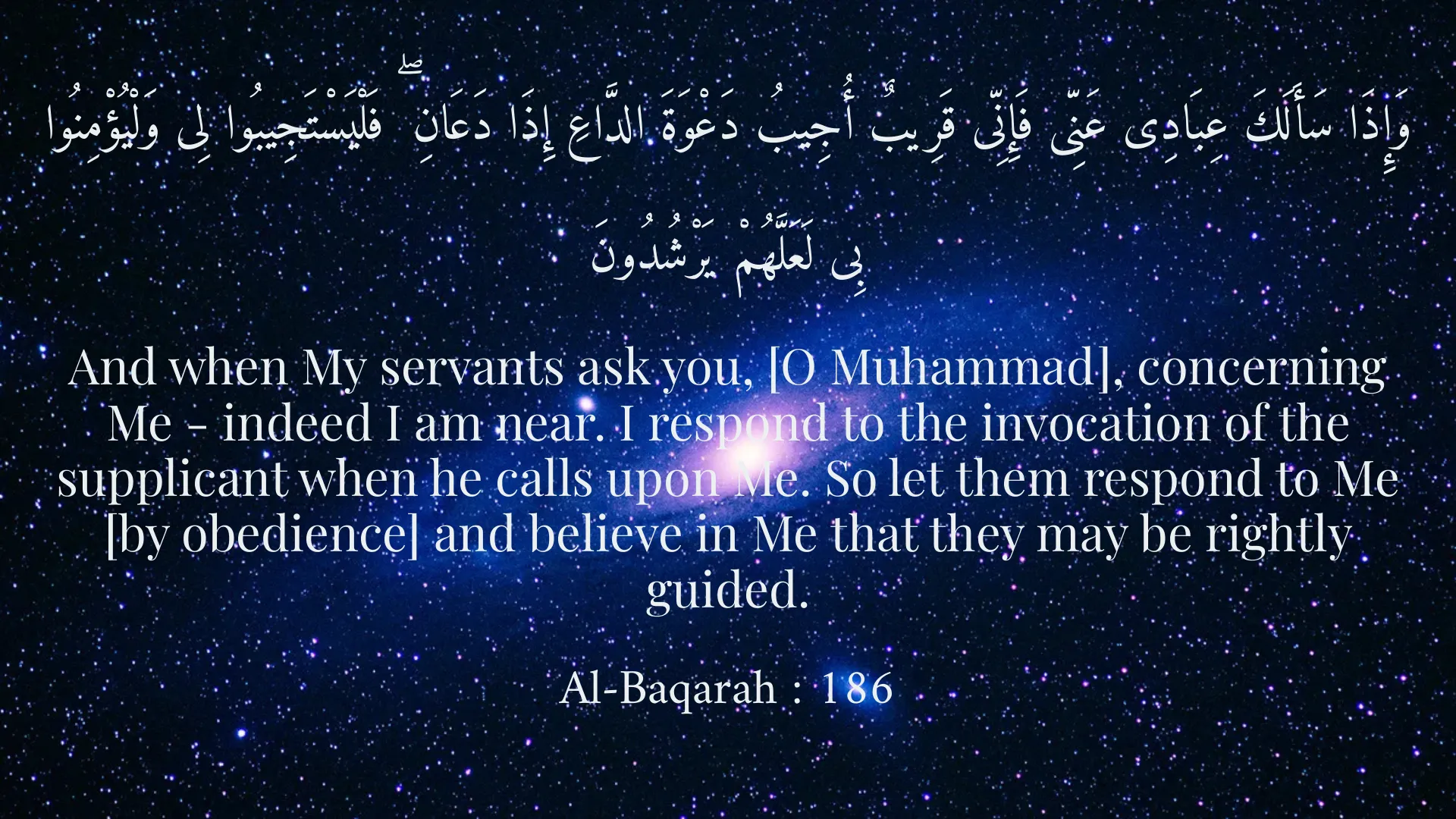
One of the most beautiful manifestations of a human being's connection with the Lord of the worlds is dialogue and asking questions of Him. In Quranic teachings, not only is it not wrong to ask questions of the Almighty God, but this act is fundamentally encouraged and considered a sign of faith, trust, and the servant's dependency on their Creator. The Holy Quran repeatedly emphasizes the importance of prayer (du'a) and making requests to God. Prayer and requesting are themselves a form of questioning and expressing needs before the Lord. In the Quran, God explicitly calls His servants to Him, stating: "And when My servants ask you, [O Muhammad], concerning Me - indeed I am near. I respond to the invocation of the supplicant when he calls upon Me." (Al-Baqarah, Ayah 186). This verse clearly shows that God not only welcomes questions and requests from His servants but also introduces Himself as being close to them and promises to respond. This in itself is a confirmation of the permissibility and even desirability of asking questions of God. This type of questioning falls under the category of 'du'a' (supplication) and 'munajat' (intimate communion), where a person seeks their material and spiritual needs from God. There are numerous examples of such requests in the Holy Quran from the tongues of prophets and divine saints. Prophet Zechariah (AS) requested a child from God (Surah Maryam, Ayah 7-8); Prophet Job (AS) cried out to God for healing from his illness (Surah Al-Anbiya, Ayah 83); and Prophet Moses (AS), after helping the two daughters of Shu'ayb, asked God for sustenance (Surah Al-Qasas, Ayah 24). Even in intellectual and theological matters, asking God is permissible. Prophet Abraham (AS) asked God to show him how He revives the dead so that his heart might be at ease: "My Lord, show me how You give life to the dead." (Al-Baqarah, Ayah 260). God responded to him and taught him how. This indicates that even questions aimed at increasing certainty and knowledge are affirmed by God, provided they are asked with humility and in the pursuit of spiritual growth. It is crucial to distinguish between 'asking out of curiosity and seeking guidance and help' and 'asking out of denial, stubbornness, or challenging divine wisdom.' Questions of the first type, asked with respect, humility, and sincere intention for greater understanding, problem-solving, or seeking aid, are not only permissible according to the Holy Quran but are also considered virtuous. These questions are a sign of human reliance on God's infinite power and an acknowledgment of one's own limitations. God describes Himself as 'swift in account' and 'Knower of what is in the breasts,' meaning He responds quickly and is aware of what is in hearts. Therefore, there is no impediment to expressing one's needs and asking Him. The Quran itself encourages reflection, contemplation, and questioning. In numerous verses, God asks humans to ponder over the signs in the horizons and within themselves and to raise questions in their minds to attain deeper understanding and knowledge. These questions serve as a path to truth and a means of deepening faith. However, if questions are posed with the aim of finding fault, stubbornness, or testing God, they are certainly displeasing and can lead to misguidance. An example would be the questions of the Children of Israel to Prophet Moses (AS), which were sometimes aimed at finding excuses and disobedience (e.g., the story of the cow in Surah Al-Baqarah). Ultimately, asking God is, in fact, a form of drawing closer, expressing inherent neediness, and relying on Him. It is an open and perpetual channel of communication between the servant and the Creator that is never closed. We are permitted and even encouraged to ask Him for whatever is in our hearts, from small daily needs to great spiritual aspirations and the resolution of complex problems. This act not only leads to the fulfillment of needs but also contributes significantly to inner peace and the strengthening of the spiritual relationship. So, with a heart full of hope and reverence, ask Him, for He is the All-Hearing, the All-Seeing, and the All-Powerful, and He is very kind to His servants. This is a great blessing: that we can directly speak to our Creator and seek His help, a blessing that is highly emphasized in the sublime religion of Islam, and many virtues have been attributed to it. Whenever a need arises or a question comes to mind, with a humble heart and sincere tongue, turn to Him and seek the answer from the boundless ocean of His mercy and knowledge.
Related Verses
وَإِذَا سَأَلَكَ عِبَادِی عَنِّی فَإِنِّی قَرِیبٌ أُجِیبُ دَعْوَةَ الدَّاعِ إِذَا دَعَانِ ۖ فَلْیَسْتَجِیبُوا لِی وَلْیُؤْمِنُوا بِی لَعَلَّهُمْ یَرْشُدُونَ
And when My servants ask you, [O Muhammad], concerning Me - indeed I am near. I respond to the invocation of the supplicant when he calls upon Me. So let them respond to Me [by obedience] and believe in Me that they may be rightly guided.
Al-Baqarah : 186
وَقَالَ رَبُّكُمُ ادْعُونِی أَسْتَجِبْ لَكُمْ ۚ إِنَّ الَّذِینَ یَسْتَكْبِرُونَ عَنْ عِبَادَتِی سَیَدْخُلُونَ جَهَنَّمَ دَاخِرِینَ
And your Lord says, "Call upon Me; I will respond to you." Indeed, those who disdain My worship will enter Hell [rendered] contemptible.
Ghafir : 60
وَإِذْ قَالَ إِبْرَاهِیمُ رَبِّ أَرِنِی کَیْفَ تُحْیِی الْمَوْتَیٰ ۖ قَالَ أَوَلَمْ تُؤْمِن ۖ قَالَ بَلَیٰ وَلَٰكِن لِّیَطْمَئِنَّ قَلْبِی ۖ قَالَ فَخُذْ أَرْبَعَةً مِّنَ الطَّیْرِ فَصُرْهُنَّ إِلَیْكَ ثُمَّ اجْعَلْ عَلَیٰ کُلِّ جَبَلٍ مِّنْهُنَّ جُزْءًا ثُمَّ ادْعُهُنَّ یَأْتِینَكَ سَعْیًا ۚ وَاعْلَمْ أَنَّ اللَّهَ عَزِیزٌ حَكِیمٌ
And [mention, O Muhammad], when Abraham said, "My Lord, show me how You give life to the dead." [Allah] said, "Have you not believed?" He said, "Yes, but [I ask] only that my heart may be satisfied." [Allah] said, "Take four birds and commit them to yourself. Then [after slaughtering them] put on every hill a portion of them; then call them, they will come to you in haste. And know that Allah is Exalted in Might and Wise."
Al-Baqarah : 260
Short Story
It is narrated in Sa'di's Gulistan that a just king dreamed one night that his teeth had fallen out and he became sorrowful. He summoned an interpreter and asked him the meaning of his dream. The interpreter replied, "The interpretation is that all your relatives will die before you." The king became enraged and dismissed him. Then he summoned another interpreter and asked the same question. The second interpreter, with wisdom and politeness, said, "The interpretation is that you will live longer than all your relatives and will have a long life." The king was very pleased and rewarded him. This story teaches us that the type of question, the manner in which it is posed, and the understanding of the answer are very important. Even asking God must be done with respect and good intention, not for testing or doubt; for the Generous and Forgiving God grants the best answers to His servants.