Quranic Answer
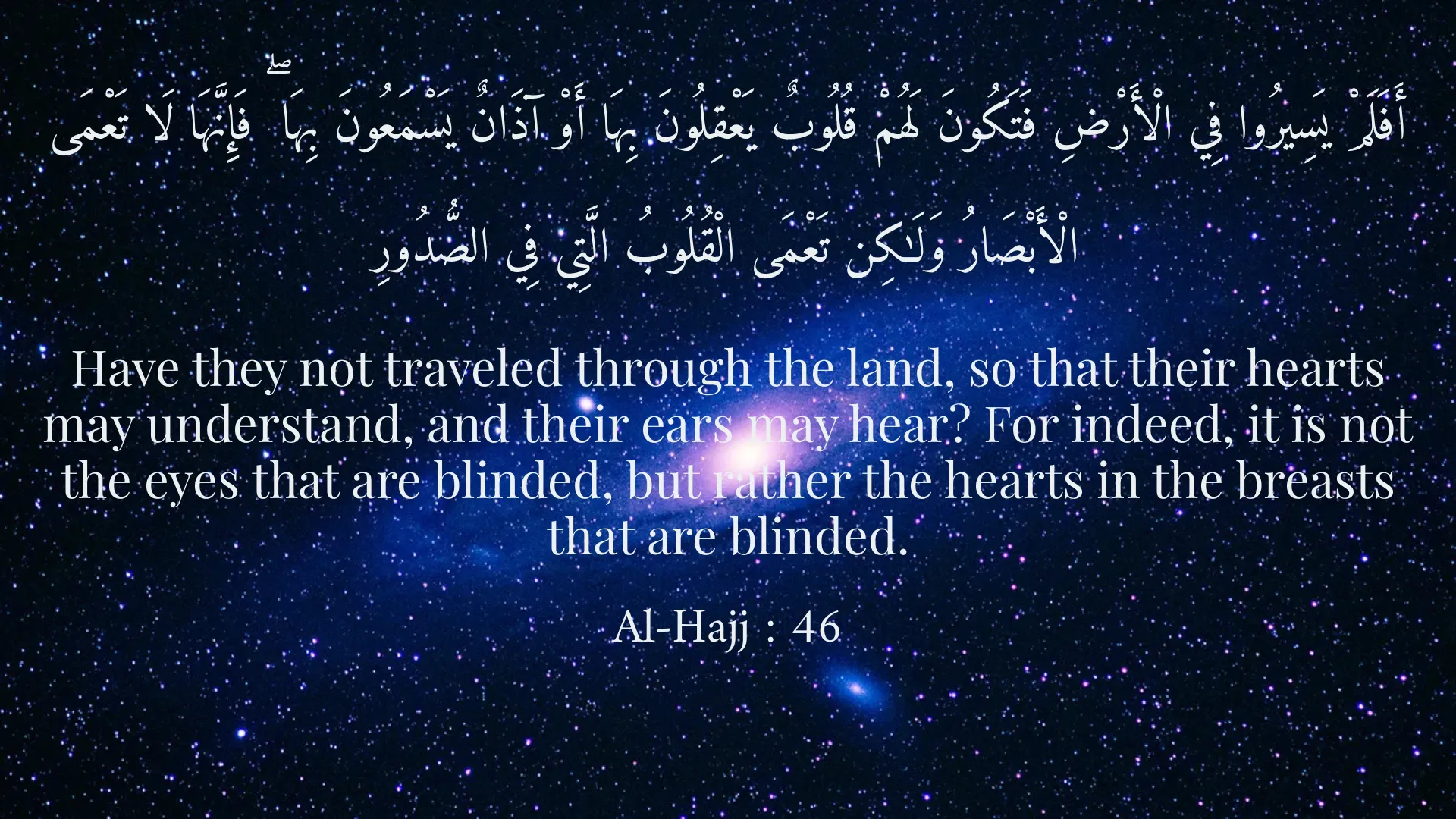
The question, "Is keeping the heart awake harder than keeping the eyes awake?" from the perspective of the Holy Quran, can be answered with a resounding yes. Without a doubt, maintaining the wakefulness of the heart and protecting it from heedlessness is a task far more challenging and, indeed, more crucial than merely keeping the eyes open. This metaphorical question points to a profound contrast between two distinct types of "vision" and "awareness": one is the outward, physical vision attained through the eyes, and the other is the inward, spiritual insight related to the "eye of the heart" or "basirah." The Quran repeatedly alludes to this distinction, emphasizing the unparalleled importance of the heart as the center of perception, faith, and consciousness. The eyes are tools for perceiving the material world and outward phenomena. Keeping the eyes awake implies physical presence, performing outward acts of worship, and being alert to external events. While this type of wakefulness is necessary and indeed commanded, it is not sufficient on its own. A person can have their eyes open and appear to be awake, yet their heart might be plunged into the sleep of heedlessness and unawareness. The Quran beautifully illustrates this condition in Surah Al-Hajj, verse 46: “Have they not traveled through the land, so that their hearts may understand, and their ears may hear? For indeed, it is not the eyes that are blinded, but rather the hearts in the breasts that are blinded.” This verse explicitly states that true blindness is not the blindness of the physical eye, but rather the spiritual blindness and unawareness of the heart. An individual may possess physical sight, yet fail to see and comprehend truths because their inner eye, their heart, is closed. The difficulty in keeping the heart awake stems from several aspects. The first and most significant is the struggle against “ghaflah” or heedlessness. Heedlessness is a state where a person becomes oblivious to the remembrance of God, the purpose of creation, and the consequences of their actions. This oblivion gradually puts the heart to sleep, preventing it from grasping realities. The Holy Quran warns humanity against heedlessness in numerous verses. In Surah Al-A’raf, verse 179, Allah describes those who do not use their hearts to understand, their eyes to see, and their ears to hear truths, as being like livestock, even more astray, concluding with: “Those are the heedless ones.” This clearly indicates that heedlessness is the root cause of the heart’s blindness and slumber. Another aspect of this difficulty is the “Jihad al-Akbar,” or the greater struggle against one’s own self (nafs). Keeping the heart awake means engaging in a continuous battle against carnal desires, satanic whispers (waswasa), and the seductive allure of the worldly life. The commanding self (nafs al-ammara) constantly pulls a person towards selfishness, sin, and forgetfulness of God. Overcoming these inner forces and maintaining the purity and transparency of the heart requires resolute determination, constant self-monitoring (muraqaba), and divine piety (taqwa). While keeping the eyes awake might simply be a matter of an immediate decision or a physical necessity, the awakening of the heart is an ongoing, lifelong process. Furthermore, “Ikhlas” (sincerity) is one of the pillars of heart wakefulness. A person can perform many good deeds, pray, fast, and give charity, but if their heart is not sincere for God and worldly motives or hypocrisy creep in, these outward actions lose their true value, and the heart remains veiled. The Quran places great emphasis on sincerity in deeds, stating: “And they were not commanded except to worship Allah, [being] sincere to Him in religion, inclining to truth” (Surah Al-Bayyinah: 5). Maintaining this sincerity and purity of intention at every moment is a major challenge for a vigilant heart. Moreover, “tadabbur” (contemplation and reflection) is another component of heart wakefulness that is challenging to achieve. Physical eyes can read the verses of the Quran or observe the phenomena of the universe, but it is the heart that must contemplate them and comprehend the divine messages. “Then do they not reflect upon the Quran, or are there locks upon their hearts?” (Surah Muhammad: 24). This verse indicates that if the heart is locked, even hearing the verses of the Quran yields no benefit. Breaking these locks and opening the heart for profound understanding requires spiritual effort and the removal of the rust of sin and heedlessness. The importance of heart wakefulness is so profound that a person’s eternal destiny depends on its soundness. On the Day of Judgment, neither wealth nor children will be of benefit, except for one who comes to Allah with a “qalb saleem” (a sound heart, free from polytheism and sin): “The Day when neither wealth nor sons will benefit [anyone], but only he who comes to Allah with a sound heart.” (Surah Ash-Shu’ara: 88-89). This verse indicates that the wakefulness and soundness of the heart are conditions for eternal salvation, and this is far more difficult and valuable than any form of outward wakefulness. To keep the heart awake, the Quran and Sunnah offer several remedies: 1. Dhikr (Remembrance of Allah): Constant remembrance of God brings tranquility and peace to the hearts and protects them from heedlessness. “Unquestionably, by the remembrance of Allah hearts are assured.” (Surah Ar-Ra’d: 28). 2. Recitation and Contemplation of the Quran: The Quran is a healing and mercy for believers, and its recitation with contemplation removes the veils of heedlessness from the heart. 3. Muraqaba (Self-Monitoring) and Muhasabah (Self-Accountability): Constantly observing one’s actions and thoughts and daily self-assessment keeps the heart vigilant. 4. Tawbah (Repentance) and Istighfar (Seeking Forgiveness): Cleansing the heart from the rust of sins makes it pure and receptive to divine light. 5. Avoiding Sins and Associating with the Righteous: Sins harden and darken the heart, while companionship with people of knowledge and virtue aids in the heart’s awakening. Ultimately, keeping the eyes awake is a prerequisite for the awakening of the heart. However, human perfection and ultimate goal lie in the wakefulness and soundness of the heart. The battle for heart wakefulness is an internal, continuous jihad whose reward is salvation in this world and the Hereafter. Therefore, it can be asserted with certainty that keeping the heart awake, due to the depth and breadth of its internal challenges and its ultimate importance in human destiny, is considerably harder and more valuable than merely keeping the physical eyes awake.
Related Verses
أَفَلَمْ يَسِيرُوا فِي الْأَرْضِ فَتَكُونَ لَهُمْ قُلُوبٌ يَعْقِلُونَ بِهَا أَوْ آذَانٌ يَسْمَعُونَ بِهَا ۖ فَإِنَّهَا لَا تَعْمَى الْأَبْصَارُ وَلَٰكِن تَعْمَى الْقُلُوبُ الَّتِي فِي الصُّدُورِ
Have they not traveled through the land, so that their hearts may understand, and their ears may hear? For indeed, it is not the eyes that are blinded, but rather the hearts in the breasts that are blinded.
Al-Hajj : 46
وَلَقَدْ ذَرَأْنَا لِجَهَنَّمَ كَثِيرًا مِّنَ الْجِنِّ وَالْإِنسِ ۖ لَهُمْ قُلُوبٌ لَّا يَفْقَهُونَ بِهَا وَلَهُمْ أَعْيُنٌ لَّا يُبْصِرُونَ بِهَا وَلَهُمْ آذَانٌ لَّا يَسْمَعُونَ بِهَا ۚ أُولَٰئِكَ كَالْأَنْعَامِ بَلْ هُمْ أَضَلُّ ۚ أُولَٰئِكَ هُمُ الْغَافِلُونَ
And We have certainly created for Hell many of the jinn and mankind. They have hearts with which they do not understand, and they have eyes with which they do not see, and they have ears with which they do not hear. Those are like livestock; rather, they are more astray. It is they who are the heedless.
Al-A'raf : 179
يَوْمَ لَا يَنفَعُ مَالٌ وَلَا بَنُونَ
The Day when neither wealth nor sons will benefit [anyone],
Ash-Shu'ara : 88
إِلَّا مَنْ أَتَى اللَّهَ بِقَلْبٍ سَلِيمٍ
But only he who comes to Allah with a sound heart.
Ash-Shu'ara : 89
Short Story
One day, a pious man was speaking among friends about his vigils and devotions. He recounted how he kept his eyes awake until dawn, engaged in Quranic recitation. One of the wise men present, who possessed an awakened heart, smiled and said: "My friend! Keeping the eyes awake is an easy task; perhaps a sip of water or a little effort can accomplish it. But keeping the heart awake, which is the source of knowledge and insight, requires constant vigilance and perpetual care. The eyes may be open, yet the heart may be plunged into deep heedlessness. Which is more difficult? He who sleeps and knows he is asleep and then wakes up, or he who is awake and thinks he sees, while his heart is submerged in the darkness of heedlessness?" The pious man pondered these words and realized that true wakefulness begins from within the heart.