Quranic Answer
Loving and showing affection towards others is a fundamental aspect of Islamic teachings and is emphasized throughout the Holy Quran. The concept of love, particularly in the context of relationships among individuals and with God, is not only viewed as a social obligation but is also regarded as an act of worship that can elevate one's spiritual status. It is a testament to the intrinsic value Islam places on interpersonal relationships and the communal spirit. In Surah Al-Imran, verse 31, Allah communicates a profound message to His Messenger, Prophet Muhammad (peace be upon him), stating that if one loves Allah, they should follow Him. This divine directive underscores a dual principle: the relationship between love for God and the importance of following His guidance. It reflects the idea that genuine love for Allah naturally leads to a desire to adhere to His commandments, thereby creating a bond that is reciprocal in nature. Allah promises His love in return, highlighting how both love for the Creator and love for His creation are interlinked and hold equal significance in the eyes of God. This understanding fosters a culture of love not just confined to familial and friendly relationships, but extends even to those who may have wronged us. Islam encourages compassion and forgiveness, ensuring that no relationships are beyond repair. In practicing love towards all of God’s creations, including those who might oppose or challenge us, we nurture a richer, more empathetic society. The life of the Prophet Muhammad (peace be upon him) serves as an exemplary model for exhibiting such love and compassion, enabling us to draw closer to Allah through our interactions with others. Moreover, in Surah Al-Baqarah, verse 177, Allah expands on the definition of good deeds. Here, He mentions that part of righteousness is to give to others, to support those in need, and to genuinely show affection to those around us. This verse not only encapsulates the essence of charity but also emphasizes the importance of nurturing loving relationships that contribute to social welfare. The act of giving, whether in material or emotional terms, is emphasized as a pathway to achieving righteousness, thus offering practical guidance for believers on how to live a life filled with love and goodness. These Quranic verses collectively serve to illustrate the significance of love and kindness within Islam, marking them as foundational components of a faithful life. In practice, this manifests in myriad forms: an understanding ear to a friend in distress, forgiveness extended to someone who has erred, or charitable acts towards the less fortunate. Each expression of love becomes a thread that binds the community, fostering an environment where mutual support and spiritual growth are prioritized. Ultimately, true love transcends mere affection or emotional attachment; it is a conscious choice and commitment to act in the best interest of others, even when it may not serve our immediate desires or preferences. This form of love is what revitalizes the human soul. It connects individuals at a deeper level, allowing for the cultivation of empathy, understanding, and compassion which are vital for societal cohesion. The relationship between love for Allah and love for others is cyclical. Engaging in acts of kindness and compassion not only draws individuals nearer to Allah but invigorates their consciousness and enhances their faith. This engagement results in a higher state of spiritual awareness and fulfillment, promoting a sense of belonging that extends beyond the individual to include the entire community. Furthermore, the idea of love as a pathway to worship points to a broader understanding of faith that extends beyond ritual practices. It pushes us to consider how we engage with the world around us, inviting introspection about the ways in which we connect with others. Are we embodying the love that Islam asks of us? Are we actively participating in the building of a society that reflects the ideals of compassion and care? In conclusion, love is not merely an emotion; it is an essential framework within which Muslims are called to live their lives. To love others, as advocated in the Holy Quran, is fundamentally aligned with devotion and worship. The acts of kindness we extend to others serve as reflections of our love for Allah, creating a harmonious balance that uplifts not only our own souls but also those around us. Loving others is indeed a true act of worship that enriches the human experience and draws us closer to God, a universal truth that resonates deeply within the fabric of Islamic teachings.
Related Verses
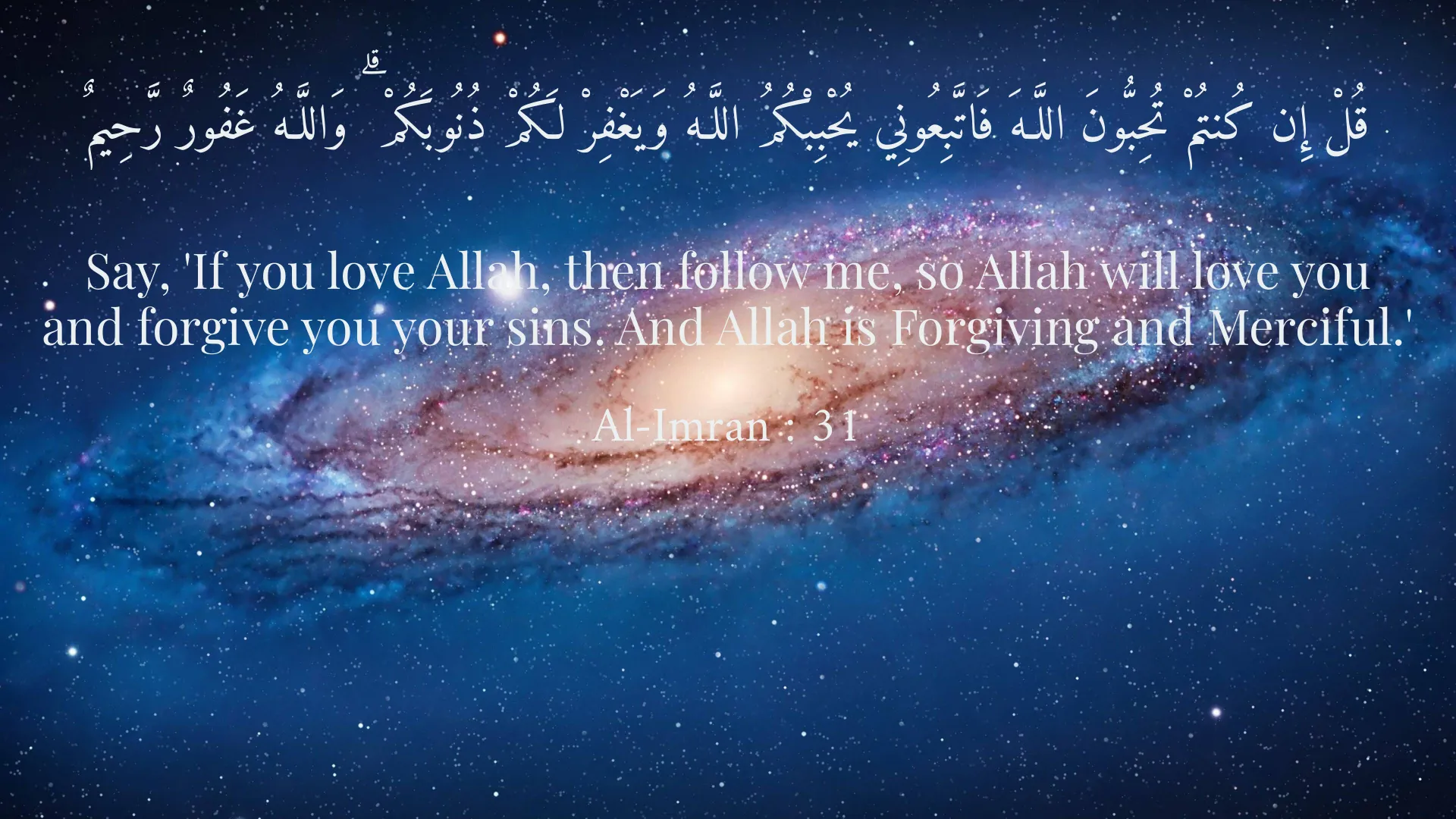
قُلْ إِن كُنتُمْ تُحِبُّونَ اللَّـهَ فَاتَّبِعُونِي يُحْبِبْكُمُ اللَّـهُ وَيَغْفِرْ لَكُمْ ذُنُوبَكُمْ ۗ وَاللَّـهُ غَفُورٌ رَّحِيمٌ
Say, 'If you love Allah, then follow me, so Allah will love you and forgive you your sins. And Allah is Forgiving and Merciful.'
Al-Imran : 31
لَيْسَ الْبِرَّ أَن تُوَلُّوا وَجُوهَكُمْ قِبَلَ الْمَشْرِقِ وَالْمَغْرِبِ وَلَكِنَّ الْبِرَّ مَنْ آمَنَ بِاللَّـهِ وَالْيَوْمِ الْآخِرِ وَالْمَلَائِكَةِ وَالْكِتَابِ وَالنَّبِيِّينَ وَآتَى الْمَالَ عَلَى حُبِّهِ ذَوِي الْقُربَى وَالْيَتَامَى وَالْمَسَاكِينَ وَابْنَ السَّبِيلِ وَالسَّائِلِينَ وَفِي الرِّقَابِ وَأَقَامَ الصَّلَاةَ وَآتَى الزَّكَوَةَ وَالْمُوفُونَ بِعَهْدِهِمْ إِذَا عَاهَدُوا وَالصَّابِرِينَ فِي الْبَأْسَاءِ وَالضَّرَّاءِ وَحِينَ الْبَأْسِ أُو۟لَـٰئِكَ الَّذِينَ صَدَقُوا ۖ وَأُو۟لَـٰئِكَ هُمُ الْمُتَّقُونَ
Righteousness is not that you turn your faces toward the east or the west, but [true] righteousness is in one who believes in Allah, the Last Day, the Angels, the Scripture, and the Prophets and gives his wealth, in spite of his love for it, to relatives, orphans, the needy, the traveler, those who ask [for help], and for freeing slaves; and establishes prayer and gives zakah; [those who fulfill their promise when they promise]; and [those who are] patient in poverty and hardship and during battle. Those are the ones who have been true, and it is those who are the righteous.
Al-Baqarah : 177
Short Story
One day, Hossein realized that showing love to others could lead to a closer relationship with God. One day, he decided to visit an elderly man who lived in his neighborhood and always suffered from loneliness. Hossein sat with him and talked; in the end, not only did he bring joy to the elderly man's heart, but he also felt a greater sense of happiness himself. He realized that this love and attention not only has a positive impact on others' lives but also helps him grow closer to worship and servitude to God.