Quranic Answer
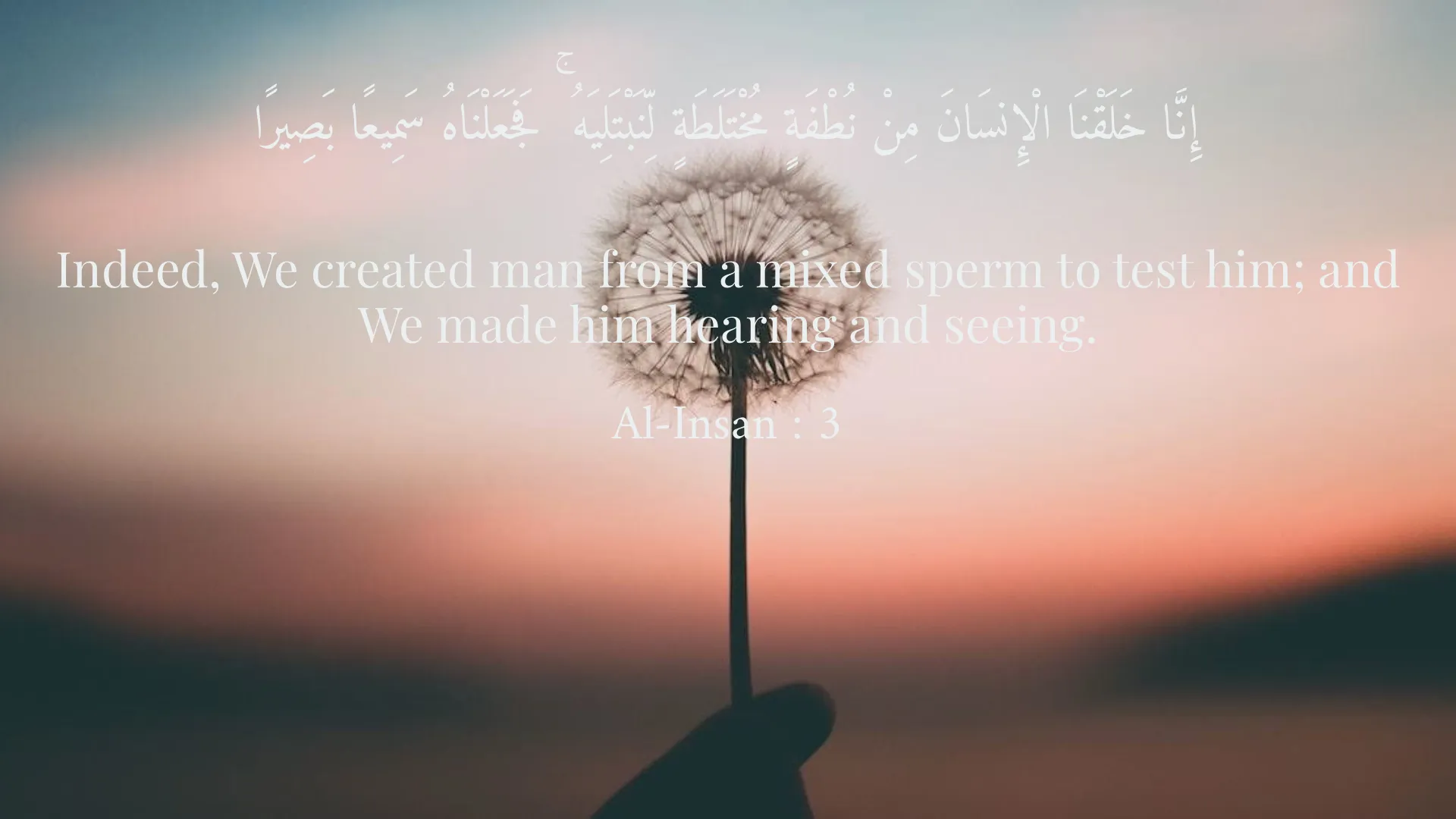
In the Holy Quran, mankind is described in many ways, often examining the nature of humanity and our relationship with the divine. Among the most profound insights presented is the view of humanity as a being prone to ingratitude toward the countless blessings bestowed upon us by Allah. This theme is particularly evident in various verses that illustrate both the gifts of Allah and the expectation of gratitude from humankind. One of the key verses that encapsulates this concept is found in Surah Al-Insan, verse 3: 'We created man from a mixed sperm to test him; and We made him hearing and seeing.' This verse is rich with meaning, indicating that human beings have been created with a unique purpose — to undergo trials that reflect our capacity for gratitude, wisdom, and understanding. The dual capability of hearing and seeing signifies the potential for awareness and realization of the divine favors that surround us, yet it also implies a responsibility; we must recognize and appreciate these blessings. The Quran often emphasizes the point that the essence of existence and the trials we face are intrinsically connected to gratitude. Surah Ibrahim, verse 34 brings forth Allah's reminder: 'And He (Allah) is the one who enumerates His favors upon you, and if you are grateful, I will surely increase your favor upon you; but if you deny My favor, indeed, My punishment is severe.' Here, Allah not only acknowledges the abundance of blessings but also issues a condition: gratitude leads to an increase in divine favor. This verse underscores a profound spiritual law that gratitude is directly correlated with divine generosity. In our daily lives, we often find ourselves surrounded by bountiful blessings, such as health, family, and sustenance, yet many of us fail to express this gratitude consistently. The tendency to forget or overlook our blessings is a significant aspect of human nature, and this reality is poignantly captured in Surah Az-Zumar, verse 49: 'And when injury touches man, he calls upon Us; but when We bestow upon him a favor, he says, 'I have only been given it because of my knowledge.' This natural tendency of humans reflects a propensity for selfishness, arrogance, and a lack of gratitude. It essentially highlights the psychological aspect of our existence — often, it is easier for us to acknowledge and call upon Allah in times of distress than to appreciate the abundance during our moments of comfort. This phenomenon can be attributed to several psychological and social factors inherent in humanity. In modern contexts, ambition and greed often permeate our societal structures, creating a climate where material acquisition and personal gain overshadow gratitude. The insatiable desire for more can lead to a relentless pursuit of worldly achievements at the expense of recognizing and valuing what one already possesses. In a consumer-driven society, the culture of 'more' prevails over the ethos of 'enough', inducing a cycle of dissatisfaction and ingratitude. This cycle can be detrimental not only to one's spiritual growth but also to interpersonal relationships and societal well-being. However, it is also vital to understand that the Quran does recognize the inclination towards gratitude within human beings. Our innate capacity for appreciation is, in fact, a gift. Being grateful fosters a mindset of positivity and contentment, which enhances overall well-being. The spiritual practice of gratitude encourages individuals to reflect upon the blessings in their lives and to acknowledge these gifts as favors from Allah. Regularly engaging in gratitude, through practices such as prayer and contemplation, can help counterbalance the negative tendencies that drive ingratitude. The significance of gratitude extends beyond mere recognition; it fundamentally shapes the dynamics between humans and the divine. Gratitude fosters humility and spiritual closeness to Allah, positioning an individual within a framework of awareness and responsibility regarding the blessings received. A grateful heart is often more attuned to the needs of others and the collective well-being, thereby contributing to a more compassionate and harmonious society. Furthermore, fostering gratitude can lead to a strengthened faith and a more profound understanding of the divine purpose behind human existence. In conclusion, the Holy Quran paints a comprehensive portrait of humanity's complex relationship with gratitude. While mankind has a natural tendency to forget blessings and fall into the trap of ingratitude, we also possess the capacity to recognize and appreciate the myriad favors granted to us by Allah. Understanding the trials associated with gratitude as set by our Creator can inspire a deeper commitment to living a life of appreciation. By embracing gratitude, we not only align ourselves with the divine expectations but also cultivate a more fulfilling and meaningful existence. Therefore, it is imperative for all individuals to remain conscious of the blessings in their lives and to respond with sincere gratitude, as doing so ultimately enhances our spiritual journey and enriches our experience on this Earth.
Related Verses
إِنَّا خَلَقْنَا الْإِنسَانَ مِنْ نُطْفَةٍ مُخْتَلَطَةٍ لِّنَبْتَلِيَهُ ۚ فَجَعَلْنَاهُ سَمِيعًا بَصِيرًا
Indeed, We created man from a mixed sperm to test him; and We made him hearing and seeing.
Al-Insan : 3
وَإِن تَعُدُّوا نِعْمَتَ اللَّهِ لَا تُحْصُوهَا ۚ إِنَّ الْإِنْسَانَ لَظَلُومٌ كَفَّارٌ
If you should count the favors of Allah, you could not enumerate them. Indeed, mankind is the most unjust and ungrateful.
Ibrahim : 34
وَإِذَا مَسَّ الإِنْسَانَ الضُّرُّ دعانَا ثُمَّ إِذَا خَوَّلْنَاهُ نِعْمَةً مِّنَّا قَالَ إِنَّمَا أُوتِيتُهُ عَلَى عِلْمٍ عِندِی ۚ بَلْ هِيَ فِتْنَةٌ وَلَكِنَّ أَكْثَرَهُمْ لَا يَعْلَمُونَ
And when adversity touches man, he calls upon Us; but when We bestow upon him a favor, he says, 'I have only been given it because of my knowledge.'
Az-Zumar : 49
Short Story
One day, Adel was reflecting on his life and wondered what mattered most to him. After revisiting Quranic verses, he realized that humans must be grateful for the blessings of Allah. One day, he decided to always remember God and incorporate gratitude into his daily routine. Gradually, he noticed that this small change brought more peace and happiness into his life.