Quranic Answer
From the perspective of the Holy Quran and the comprehensive teachings of Islam, optimism and realism are not contradictory; rather, they are two sides of the same coin, mutually essential for a balanced, purposeful, and fruitful life. Islam teaches us to always be hopeful of Allah's mercy and grace and to look at the future with a positive outlook, yet at the same time, not to ignore the realities of life, its challenges, and the necessity of effort and planning. This harmony between optimism and realism forms the basis of a healthy spiritual and practical life. Optimism from the Quranic Perspective: Hope in Divine Mercy and Goodness of Thought towards Allah The Holy Quran strongly prohibits despair and encourages believers to have hope in the vast divine mercy. This hope is the essence of optimism in Islam. In Surah Az-Zumar, verse 53, Allah says: "Say, 'O My servants who have transgressed against themselves [by committing sins], do not despair of the mercy of Allah. Indeed, Allah forgives all sins. Indeed, it is He who is the Forgiving, the Merciful.'" This verse is not only an invitation to repentance and return but also a clear message about the necessity of optimism and not losing hope in divine grace and generosity. Even at the height of sin and error, the door of divine mercy is open, and this in itself is a strong reason for optimism. Optimism in Islam is rooted in 'Husn al-Dhann billah,' which means having good and positive thoughts about Allah's actions and decrees. A true believer holds the conviction that whatever comes from Allah, whether seemingly pleasant or unpleasant, is filled with wisdom and goodness. This perspective helps an individual to be patient in the face of hardships and difficulties and to look towards the future with a hopeful spirit. Prophet Yaqub (Jacob, peace be upon him) tells his sons in Surah Yusuf, verse 87: "O my sons, go and find out about Joseph and his brother and do not despair of the relief from Allah. Indeed, no one despairs of relief from Allah except the disbelieving people." This is a striking example of optimism amidst extreme hardship and separation, which never leads to despair. Realism in Islam: Acceptance of Realities and the Necessity of Effort Alongside optimism, the Quran heavily emphasizes realism and a correct understanding of the world and life. Islam reminds us that this world is transient, and one should never be surprised or deceived by its allure. Allah says in Surah Al-Baqarah, verse 155: "And We will surely test you with something of fear and hunger and a loss of wealth and lives and fruits, but give good tidings to the patient." This verse clearly states that tribulations and tests are an inseparable part of worldly life, and a realistic person must accept this truth. Realism in Islam means not being negligent of facts and the necessity of effort and planning. The Prophet Muhammad (peace be upon him) said, "Tie your camel and then trust in Allah." This noble Hadith signifies that reliance on Allah (which is a form of optimism and hope for divine help) should never prevent effort, planning, and considering apparent means. The Quran also repeatedly emphasizes the importance of preparation and effort. In Surah Al-Anfal, verse 60, we read: "And prepare against them whatever you are able of power and of steeds of war by which you may terrify the enemy of Allah and your enemy..." This verse explicitly stresses the need for preparedness, strength, and planning; something directly related to realism. Ignoring the enemy and lacking preparation is not optimism but heedlessness, and it will certainly lead to severe consequences. Balance and Synergy: Realistic Optimism Islam teaches us a 'realistic optimism.' This means we should hope for good outcomes in affairs, but at the same time, we should pursue that outcome through realistic effort and planning. This approach helps the believer to: 1. Perseverance in the Face of Challenges: When we realistically accept that life comes with difficulties (And We will surely test you with something of fear...), internal optimism based on divine mercy (do not despair of the mercy of Allah) enables us to overcome them with patience (give good tidings to the patient) and continuous effort. 2. Avoidance of Extremes: Not only is blind optimism, which prevents an individual from making an effort, condemned, but also realism that leads to utter despair and inaction has no place in Islam. Islam invites to moderation. 3. Appreciation and Gratitude: A realistic person sees existing blessings and is grateful for them, while optimism helps them understand the place of divine wisdom and grace in every situation, even during hardships. 4. Planning and Practical Action: Belief in God's help never means abstaining from work and effort. Rather, true reliance on God means fulfilling all duties and then entrusting the outcome to God. This is the intelligent combination of optimism and realism. In conclusion, it can be said that optimism and realism in Islam are not contradictory; instead, they are complementary. Optimism without realism can lead to fantasizing and inaction, while realism without optimism might lead to despair and frustration. Islam teaches us to look at the world with open eyes, accept its realities, but never to neglect the light of hope in the boundless divine mercy. This combination paves the way for success in this world and the hereafter and grants humanity immense power to face all aspects of life.
Related Verses
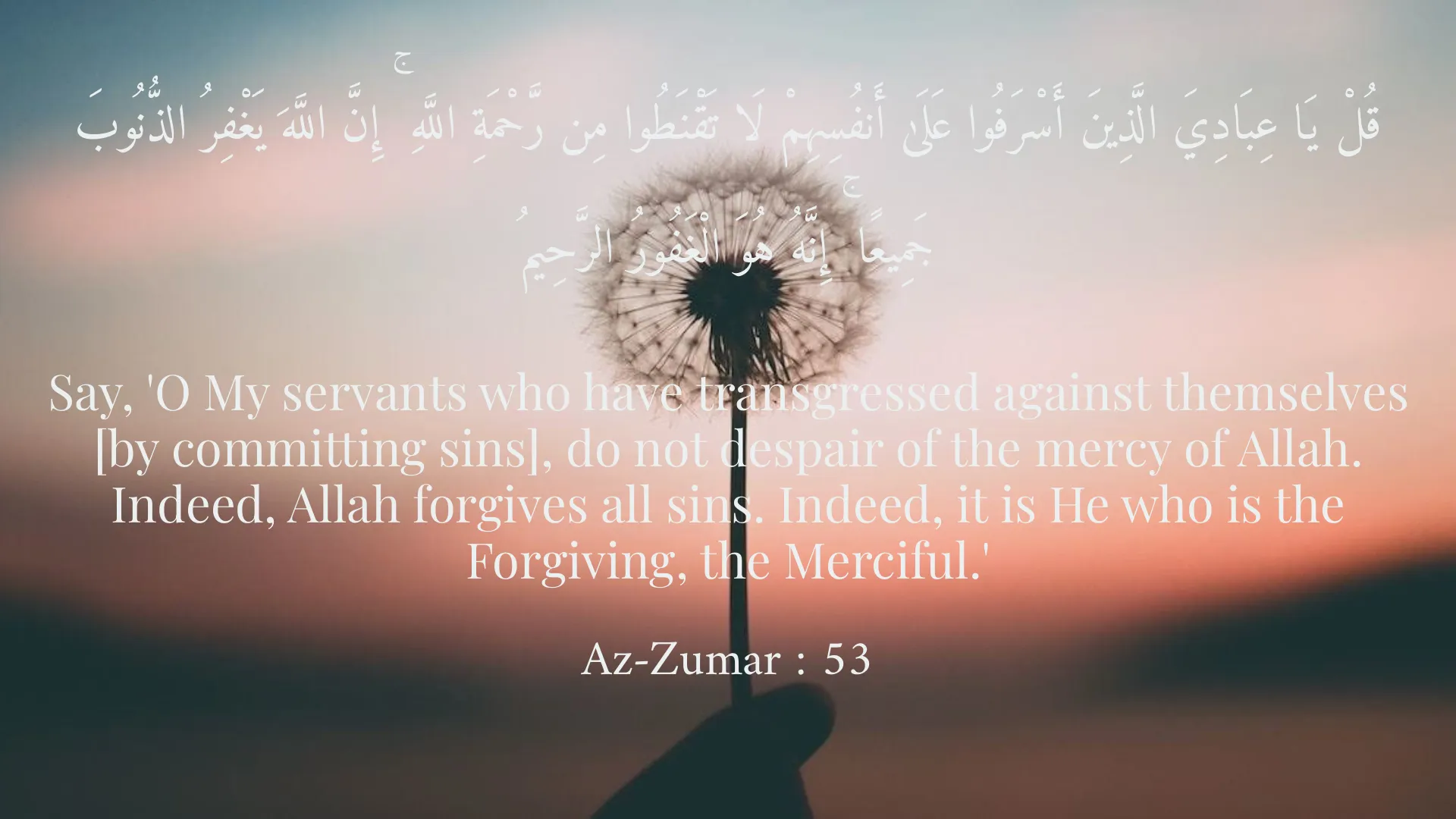
قُلْ يَا عِبَادِيَ الَّذِينَ أَسْرَفُوا عَلَىٰ أَنفُسِهِمْ لَا تَقْنَطُوا مِن رَّحْمَةِ اللَّهِ ۚ إِنَّ اللَّهَ يَغْفِرُ الذُّنُوبَ جَمِيعًا ۚ إِنَّهُ هُوَ الْغَفُورُ الرَّحِيمُ
Say, 'O My servants who have transgressed against themselves [by committing sins], do not despair of the mercy of Allah. Indeed, Allah forgives all sins. Indeed, it is He who is the Forgiving, the Merciful.'
Az-Zumar : 53
وَأَعِدُّوا لَهُم مَّا اسْتَطَعْتُم مِّن قُوَّةٍ وَمِن رِّبَاطِ الْخَيْلِ تُرْهِبُونَ بِهِ عَدُوَّ اللَّهِ وَعَدُوَّكُمْ وَآخَرِينَ مِن دُونِهِمْ لَا تَعْلَمُونَهُمُ اللَّهُ يَعْلَمُهُمْ ۚ وَمَا تُنفِقُوا مِن شَيْءٍ فِي سَبِيلِ اللَّهِ يُوَفَّ إِلَيْكُمْ وَأَنتُمْ لَا تُظْلَمُونَ
And prepare against them whatever you are able of power and of steeds of war by which you may terrify the enemy of Allah and your enemy and others besides them whom you do not know [but] whom Allah knows. And whatever you spend in the cause of Allah will be fully repaid to you, and you will not be wronged.
Al-Anfal : 60
وَلَنَبْلُوَنَّكُم بِشَيْءٍ مِّنَ الْخَوْفِ وَالْجُوعِ وَنَقْصٍ مِّنَ الْأَمْوَالِ وَالْأَنفُسِ وَالثَّمَرَاتِ ۗ وَبَشِّرِ الصَّابِرِينَ
And We will surely test you with something of fear and hunger and a loss of wealth and lives and fruits, but give good tidings to the patient.
Al-Baqarah : 155
Short Story
In Saadi's Golestan, it is narrated that in one of the cities of Fars, there lived a poor dervish who was renowned for his gratitude and contentment. Despite extreme poverty, he always met people with a smile and an open heart, saying, "Allah is the Provider, and one cannot despair of His grace." One of his wealthy neighbors, who used to criticize him for this excessive optimism, once said to him: "O Dervish, you always speak of God's provision, but look how you spend your days in poverty and hunger. Is it realistic to expect a feast from the sky when your hands are idle?" The dervish smiled gently and said: "My friend, my optimism in God's grace has never prevented me from striving and seeing reality. I know that God provides through means, and one must take steps to find it. But at the same time, even when apparent means are not available, I do not surrender my heart to despair; for I know that the hidden treasure of His mercy lies where I cannot see. Optimism gives me the strength to hope in difficulties, and realism tells me that I must take a step to find that hope." At that very moment, one of the dervish's disciples arrived with a bowl of food and a gift for him. The dervish shared the food with his neighbor and said: "You see, my friend? God's mercy sometimes comes from where we least expect it. Optimism gives peace to the heart, and realism shows the way. Both are necessary; one keeps the spirit alive, and the other makes the steps firm." The wealthy neighbor, witnessing this scene, understood the dervish's wisdom and realized that optimism without effort is a dream, and effort without optimism is futile suffering.