Quranic Answer
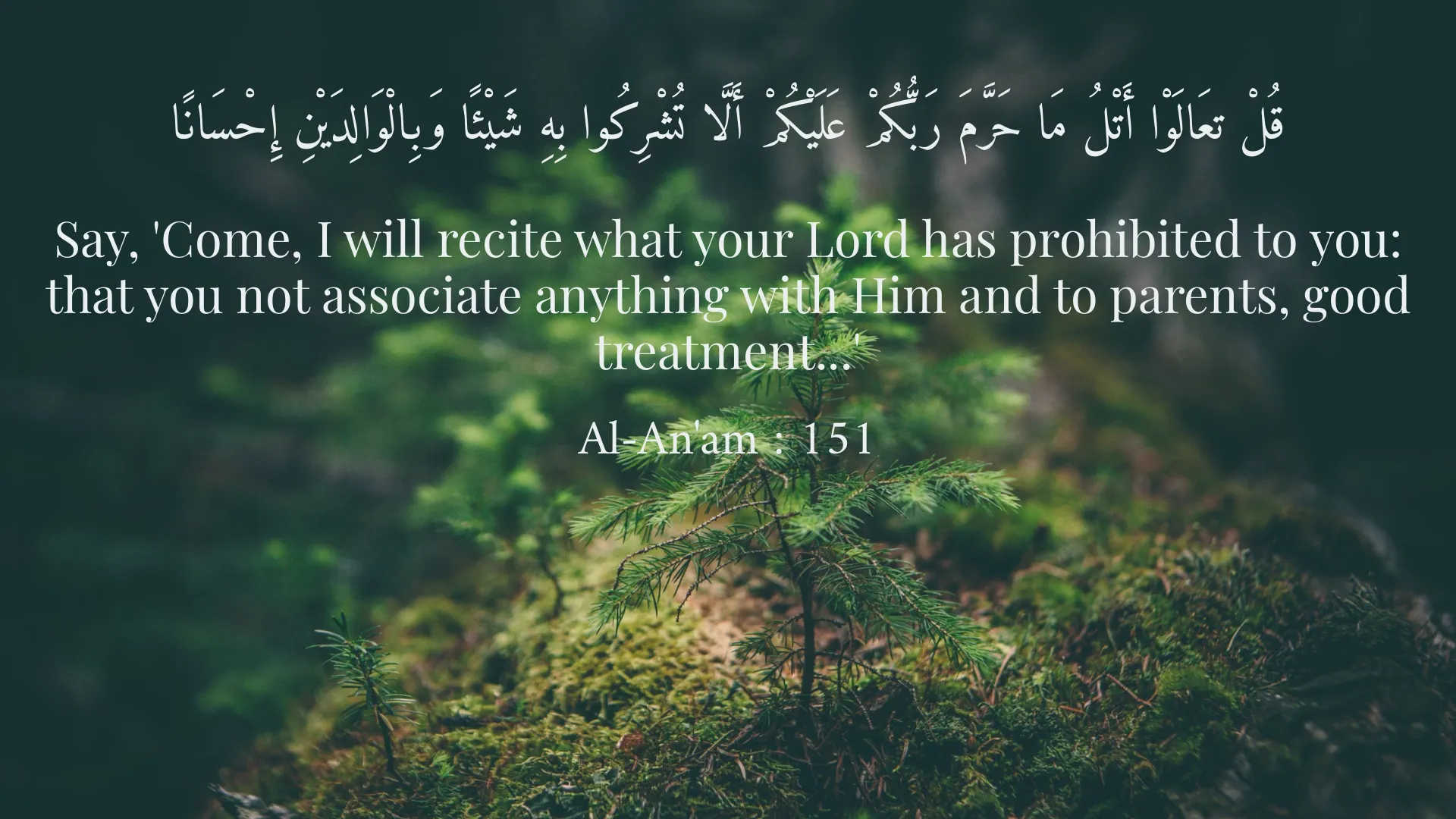
Raising children is one of the most significant responsibilities one can undertake, especially within the framework of Islam. Not only is it a societal duty, but it also holds a sacred place in the spiritual landscape of the faith as reflected in the teachings of the Holy Quran and the Sunnah (traditions) of the Prophet Muhammad (PBUH). The manner in which children are nurtured can have profound implications for their individual character development as well as the moral and ethical fabric of society as a whole. The Quran places considerable emphasis on the importance of proper upbringing of children. In Surah Al-An'am, verse 151, Allah states: 'Say, come, I will recite what your Lord has prohibited to you: that you not associate anything with Him and to parents, good treatment...' This verse serves as a critical reminder to parents regarding their fundamental duties. It explicitly highlights that one of their responsibilities is not only to cultivate spiritual awareness but also to treat their children with kindness and compassion. The phrase "good treatment" encapsulates a broader ethos of parenting that is rooted in love, empathy, and understanding. Moreover, in Surah Ta-Ha, verse 132, Allah instructs believers to 'command your family to pray.' This directive emphasizes not only the religious obligation of prayer but also the role that parents play in ensuring their children are instilled with a sense of spirituality and religious observance from an early age. Parents are tasked with the responsibility of being the first educators of their children, laying down the foundational stones upon which their understanding of faith and morality will be built. To comprehensively raise children in an Islamic manner, one must ensure that various dimensions of upbringing are harmoniously integrated. This includes spiritual education, moral development, emotional support, and social awareness. Social interactions and environment play an essential role in shaping a child's character. Hence, parents should create a nurturing environment that fosters positive behavioral traits and encourages their children to be respectful, compassionate, and responsible. Attention to discipline is of utmost importance. While discipline often invokes thoughts of punishment, in Islam it involves guiding children to understand the consequences of their actions and instilling a sense of accountability. This should be approached with a balance of firmness and gentleness. Islamic teachings suggest that harsh methods can lead to resentment and rebellion, while kind yet firm guidance encourages children to make better choices. Teaching discipline through positive reinforcement, setting clear expectations, and modeling behavior is crucial. In addition to discipline, fostering love and respect is essential. Children thrive in an environment where they feel valued. Open lines of communication and emotional availability allow children to voice their thoughts, questions, and concerns freely. Parents should practice active listening, validating their children’s feelings, and engaging in meaningful conversations. This approach not only strengthens the parent-child bond but also builds confidence and emotional intelligence in children. Another critical aspect of child-rearing is the impact of a child’s peers and the community at large. The environment surrounding children significantly influences their behavioral and social development. Thus, it becomes important for parents to actively engage with their community and network with other families who share their values and beliefs. Encouraging children to participate in community services or religious gatherings not only builds their social skills but also reinforces a sense of belonging and purpose within the broader context of society. Furthermore, education plays a pivotal role in Islam. Children should be encouraged to seek knowledge, both religious and secular, to become well-rounded individuals. The Prophet Muhammad (PBUH) said, 'Seeking knowledge is an obligation upon every Muslim.' This underscores the importance of ensuring that children are provided with the necessary resources and support to pursue their educational endeavors. Education should not merely be viewed as an academic obligation; it should be seen as a way to unlock their potential and prepare them to contribute positively to society. In nurturing children, parents should lead by example. Actions often speak louder than words, and children are keen observers of their parents' behaviors. Demonstrating virtues such as honesty, integrity, and compassion in everyday life can profoundly impact a child’s values. In Islam, parents are often described as a mirror in which children see themselves. Thus, embodying the moral and ethical principles of Islam is essential in raising children who will navigate life with conviction and purpose. Lastly, it is fundamental to recognize that each child is unique. Parenting should be adaptable to the individual needs of each child, considering their temperament, interests, and abilities. Encouragement and support should be tailored to nurture their personal strengths while also addressing areas of growth. This individualized approach fosters resilience and equips children with the skills to face challenges throughout life. In conclusion, raising children is a multifaceted and significant undertaking that entails profound responsibilities, especially within the Islamic framework. Parents are afforded the unique opportunity to shape the next generation, imbibing them with values, knowledge, and the importance of community. The successful upbringing of children not only ensures their personal growth but also guarantees a healthier, more responsible society in the future. The directives found within the Quran and the teachings of the Prophet Muhammad (PBUH) serve as guiding lights for parents, illuminating the path of compassion, education, and moral development that should be followed. Raising children, therefore, is not merely a social duty but a deeply ingrained religious obligation that every parent should take to heart.
Related Verses
قُلْ تعَالَوْا أَتْلُ مَا حَرَّمَ رَبُّكُمْ عَلَيْكُمْ أَلَّا تُشْرِكُوا بِهِ شَيْئًا وَبِالْوَالِدَيْنِ إِحْسَانًا
Say, 'Come, I will recite what your Lord has prohibited to you: that you not associate anything with Him and to parents, good treatment...'
Al-An'am : 151
وَأْمُرْ أَهْلَكَ بِالصَّلَاةِ وَاصْطَبِرْ عَلَيْهَا
And command your family to pray, and be steadfast therein.
Ta-Ha : 132
Short Story
One day, Farzin was a father of two children and always worried about their upbringing. He asked his friends about how to raise good children. One of his friends told him: 'Raising a child doesn’t only revolve around religious education; you must instill love and respect in their lives too.' Farzin liked this perspective very much and decided to show affection to his children while encouraging them to love and cooperate with others alongside their religious teachings. This made his children stay away from troubles in life and display good behaviors.