Quranic Answer
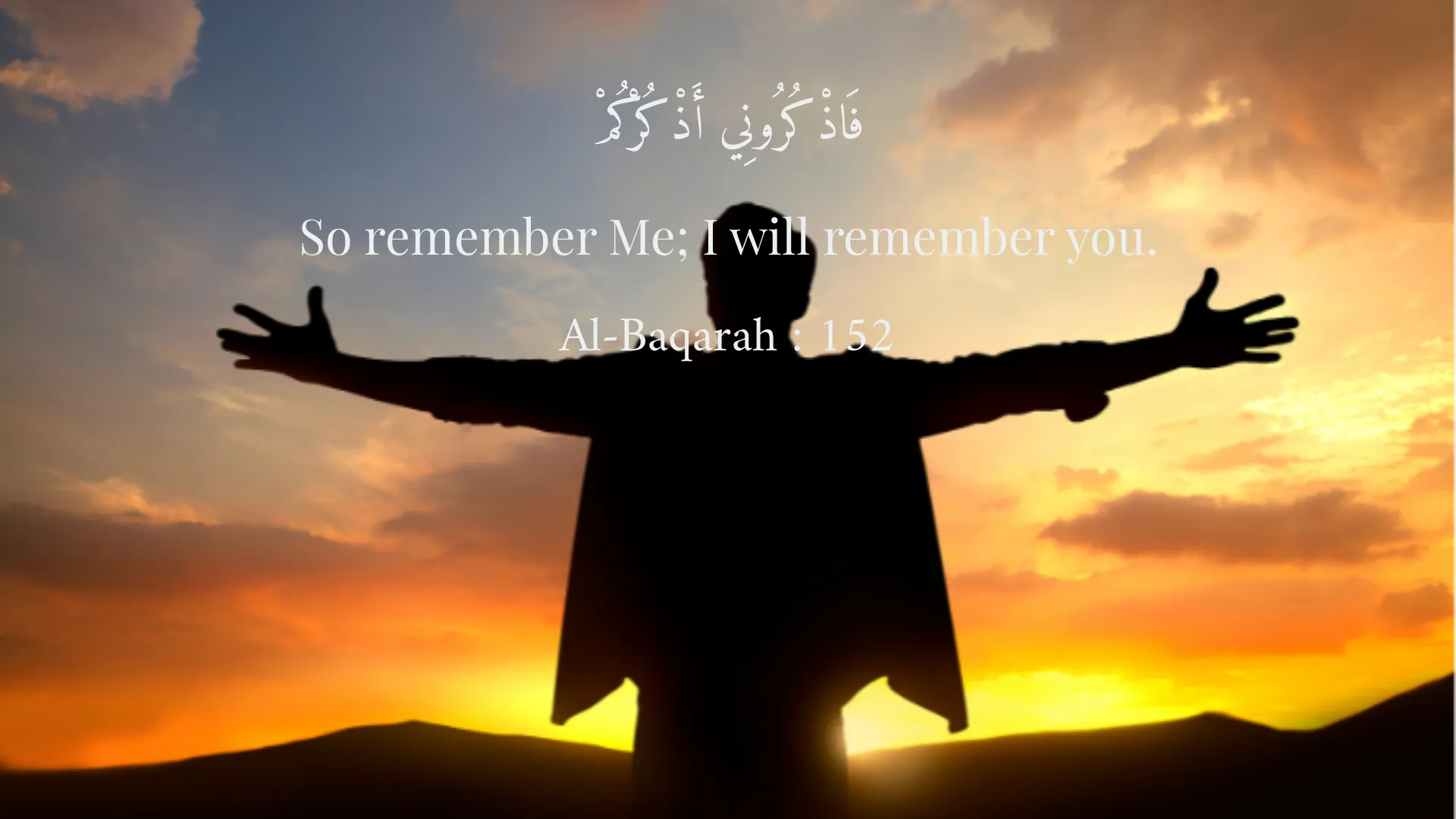
The remembrance of Allah is a profound and invaluable act of worship that holds a significant position in Islamic spirituality. The Holy Quran, being the ultimate guide for Muslims, extensively emphasizes the importance of remembering Allah in various verses, each serving as a reminder of the profound connection between the Creator and His creation. One of the most notable verses that highlight this connection is found in Surah Al-Baqarah, where Allah states, 'So remember Me; I will remember you' (Surah Al-Baqarah, 2:152). This verse encapsulates a divine assurance, assuring believers that their act of remembrance will not go unnoticed. Instead, it invites a reciprocal relationship where Allah expresses His remembrance of them in return. Remembering Allah, or engaging in Dhikr, is a practice that not only empowers the soul but also has a profound effect on the inner peace of believers. The importance of this tranquility is eloquently expressed in Surah Ar-Ra'd, verse 28, which states, 'Unquestionably, by the remembrance of Allah hearts are assured.' This verse underscores the soul's craving for peace and assurance, indicating that it can be fulfilled through the remembrance of Allah. The repetition of His names, attributes, and praises in daily life allows individuals to create a protective barrier against the stress and anxieties of the world. Consequently, making a habit of reciting Dhikr throughout the day can bring a marked improvement in one’s spiritual and emotional well-being. Engagement in Dhikr connects the believer to Allah, allowing them to experience His presence in their lives. This practice is not just limited to specific times or dedicated prayers, but rather encompasses continuous reminders and praises of Allah at all times and in all places. The Quran presents a holistic approach to remembrance, enhancing the significance of recognizing Allah amid the mundane activities of daily life. This perpetual connection to Allah serves to enrich one's life, fostering a deeper understanding of faith and spirituality. Furthermore, the life of the Prophet Muhammad (peace be upon him) serves as a perfect embodiment of this practice. Numerous Hadiths and traditions showcase how the Prophet emphasized the act of remembrance in everyday situations, guiding his followers to engage in Dhikr as part of their morning and evening routines. For instance, many hadith report that the Prophet would engage in phrases of remembrance during walks, meals, and various interactions, reinforcing the notion that remembrance transcends ritualistic boundaries. Such practices highlight the significance of integrating remembrance into the fabric of one’s daily life, as it cultivates an atmosphere of spirituality amidst ordinary tasks. The beauty of Dhikr lies in its simplicity; reciting phrases such as 'SubhanAllah' (Glory be to Allah), 'Alhamdulillah' (Praise be to Allah), and 'Allahu Akbar' (Allah is the Greatest) can be done anywhere and at any time. This accessibility allows everyone, regardless of their circumstances, to engage in an act that brings them closer to Allah. Moreover, the opportunity for personal reflection and growth through Dhikr provides a gateway for believers to evaluate their lives, aspirations, and spirituality critically. It invites each person to explore their limitations, desires, and relationship with the Almighty, prompting a journey of self-improvement and realization. Additionally, engaging in Dhikr acts as a shield against negative emotions such as anger, despair, and sadness. It has been suggested by scholars that consistent remembrance of Allah can fortify one’s mental and emotional resilience against life's challenges. As mentioned earlier, the Quran states that 'hearts are assured' through remembrance. This assurance manifests in daily life as individuals find solace in the thought that their Creator is ever-present and aware of their struggles, leading to greater patience and contentment. The practice of Dhikr also extends beyond personal benefits; it encompasses communal aspects that enhance collective spirituality. Participating in group Dhikr sessions strengthens the bonds among community members, fostering a sense of unity and belonging. Such gatherings serve to remind participants of their shared faith and encourage mutual support in the practice of remembrance. They become a sanctuary where people uplift one another spiritually, offer prayers collectively, and reinforce their commitment to leading a life imbued with spirituality. In conclusion, the remembrance of Allah is not merely an act of worship; it is a profound means of nurturing one's spiritual essence and strengthening the connection with the Creator. Through the teachings of the Quran and the practices of the Prophet Muhammad (peace be upon him), it becomes evident that Dhikr is crucial for developing inner peace and tranquility. By effectively incorporating remembrance into daily life, believers can aspire to draw nearer to Allah, thus enriching their spiritual journey and enhancing the overall quality of their lives. This holistic approach to remembrance ultimately embodies the spirit of Islam and serves as a beacon of hope, peace, and assurance in a world that often feels chaotic and overwhelming.
Related Verses
فَاذْكُرُونِي أَذْكُرْكُمْ
So remember Me; I will remember you.
Al-Baqarah : 152
أَلَا بِذِكْرِ اللَّهِ تَطْمَئِنُّ الْقُلُوبُ
Unquestionably, by the remembrance of Allah hearts are assured.
Ar-Ra'd : 28
Short Story
One day, a man named Hasan was walking in the park, humming the song of Dhikr. He felt a deep sense of peace and closeness to God. After a while, he noticed that the problems in his life were being resolved more easily and quickly. His friends began to ask him what caused such positive changes in him, and Hasan smiled, saying, 'It's all a result of remembering Allah!'