Quranic Answer
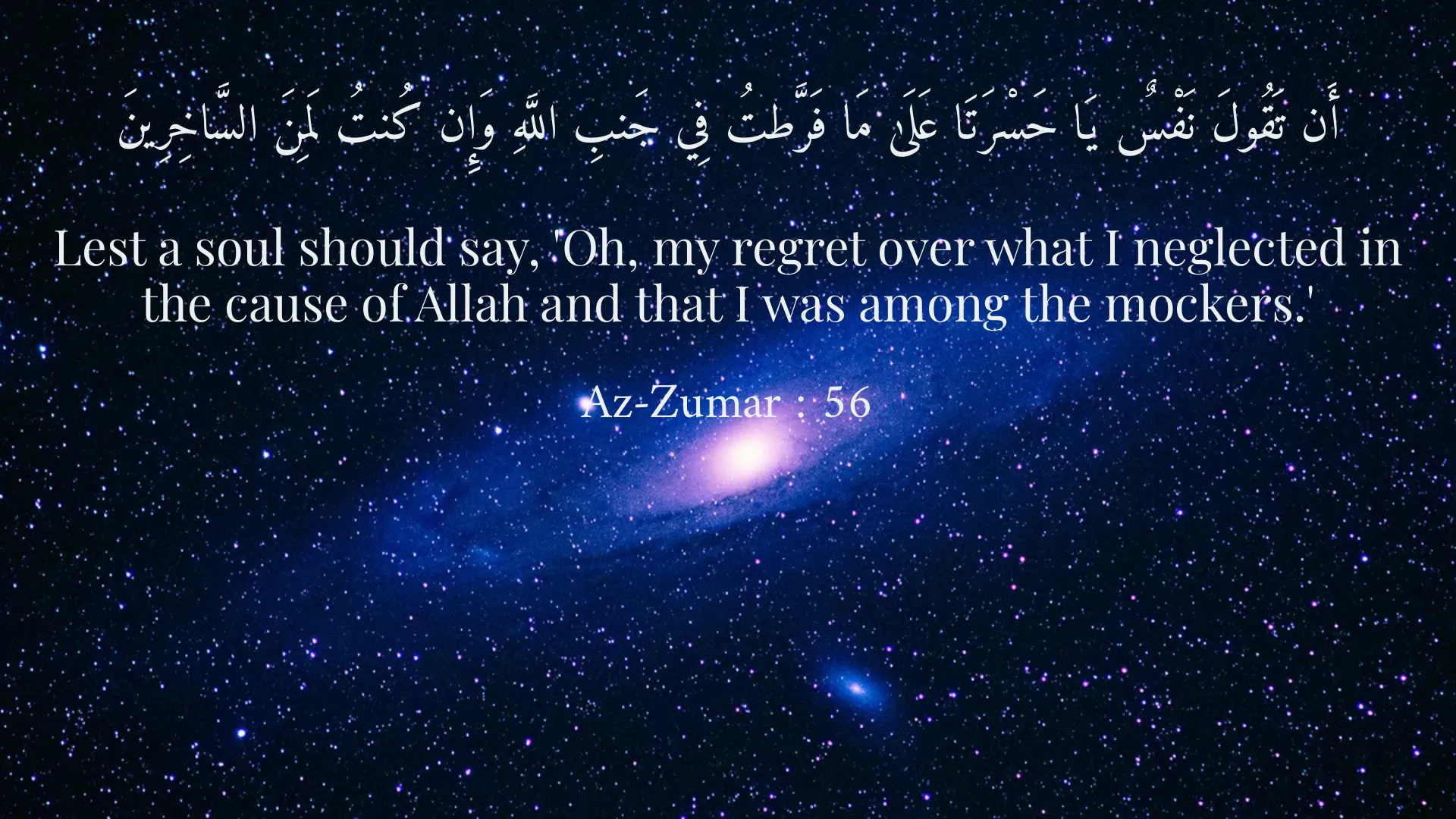
To answer whether regret is always harmful, we must first deeply examine the concept of 'hasrat' (regret/sorrow) from the perspective of the Holy Quran. In Quranic discourse, the term 'hasrat' (and its derivatives) generally refers to profound remorse, intense grief, and lamentation over missed opportunities that are no longer redeemable. This type of regret, especially the 'hasrat' that afflicts humans in the Hereafter and on the Day of Judgment, is undoubtedly harmful and extremely painful. The Quran repeatedly refers to 'Yawm al-Hasra' or the 'Day of Regret'; a day when the veils are lifted, and the truth of people's deeds and shortcomings becomes manifest. On that day, those who disbelieved in Allah's signs, strayed from the right path, or wasted the golden opportunities of life for faith and good deeds, will suffer an endless 'hasrat' and agonizing remorse that brings no benefit whatsoever. This regret not only fails to help them but also intensifies their spiritual and psychological torment, with no possibility of return or rectification. For instance, in Surah Az-Zumar, verse 56, Allah says: "An taqoola nafsun ya hasrata ‘alaa maa farrattatu fee janbil-Laahi wa in kuntu laminaas-saakhireen" (Lest a soul should say, 'Oh, my regret over what I neglected in the cause of Allah and that I was among the mockers.'). This verse clearly expresses the deep regret of those who spent their lives in heedlessness and are now witnessing the consequences of their actions. Or in Surah Maryam, verse 39, it states: "Wa anthirhum yawmal-hasrati ith qudiyal-amru wa hum fee ghaflatiw wa hum laa yu’minoon" (And warn them of the Day of Regret, when the matter will be concluded; and [yet] they are in [heedless] unawareness, and they do not believe). These verses warn us that this 'hasrat,' stemming from heedlessness and disbelief, is highly detrimental and irreparable. This form of 'hasrat,' arising from the loss of irretrievable opportunities, is profoundly destructive. It causes individuals to fall into a spiral of despair and hopelessness, as they realize there is no longer any path to rectification or compensation. This sense of futility and helplessness imposes a heavy psychological burden on the individual, preventing them from moving forward. Even in this world, people sometimes experience this type of 'hasrat,' for instance, over missing an unparalleled job opportunity or losing a significant relationship due to an irreparable mistake. If this regret becomes a permanent, paralyzing state that prevents efforts to improve circumstances, it is certainly harmful. However, is every type of regret or remorse harmful? The answer is no. In Islamic and Quranic teachings, there is a crucial distinction between 'hasrat' in the Quranic sense (irreparable regret) and 'nadama' (remorse) or 'tawbah' (repentance), which refers to remorse that leads to change and rectification. A healthy sense of remorse for past sins, shortcomings, or mistakes, if it occurs in this world and before the moment of death (when the opportunity for repentance is gone), is not only not harmful but can be profoundly constructive and salvific. This remorse is, in essence, an inner awakening that guides a person back to Allah. The Holy Quran places great emphasis on 'Tawbah Nasuh' (sincere repentance). Repentance means regretting the sin, resolving to abandon it, and making amends for the past as much as possible. Such remorse is a sign of a living conscience and an awakened heart, offering an opportunity to be cleansed of sins and to start anew towards a better, more fulfilling life. In Surah At-Tahrim, verse 8, it is stated: "Yaa ayyuhal-latheena aamanoo tooboo ilal-laahi tawbatan nasoohaa; ‘asaa rabbukum an yukaffira ‘ankum sayyi’aatikum wa yudkhilakum jannaatin tajree min tahtihal-anhaaru..." (O you who have believed, repent to Allah with sincere repentance. Perhaps your Lord will remove from you your misdeeds and admit you into Gardens beneath which rivers flow...). This verse clearly shows how beneficial and blessed repentance, which stems from remorse for sin, can be. Therefore, it can be concluded that 'hasrat,' as depicted in the Quran (especially for the Day of Judgment), is profoundly harmful and painful. However, the feeling of 'nadama' (remorse) for mistakes and sins in this world, as long as it leads to repentance, self-correction, and moving forward, is not only harmless but a divine blessing and an opportunity for spiritual growth and purification. The Quran warns us against the 'hasrat' of the Day of Judgment and provides the path to avoid it through sincere repentance and righteous deeds in this worldly life. Hence, the primary goal in this world should be to strive for a life that ultimately does not lead to 'hasrat,' and if we make a mistake, to immediately return to God with remorse and repentance.
Related Verses
أَن تَقُولَ نَفْسٌ يَا حَسْرَتَا عَلَىٰ مَا فَرَّطتُ فِي جَنبِ اللَّهِ وَإِن كُنتُ لَمِنَ السَّاخِرِينَ
Lest a soul should say, 'Oh, my regret over what I neglected in the cause of Allah and that I was among the mockers.'
Az-Zumar : 56
وَأَنذِرْهُمْ يَوْمَ الْحَسْرَةِ إِذْ قُضِيَ الْأَمْرُ وَهُمْ فِي غَفْلَةٍ وَهُمْ لَا يُؤْمِنُونَ
And warn them of the Day of Regret, when the matter will be concluded; and [yet] they are in [heedless] unawareness, and they do not believe.
Maryam : 39
يَا أَيُّهَا الَّذِينَ آمَنُوا تُوبُوا إِلَى اللَّهِ تَوْبَةً نَّصُوحًا عَسَىٰ رَبُّكُمْ أَن يُكَفِّرَ عَنكُمْ سَيِّئَاتِكُمْ وَيُدْخِلَكُمْ جَنَّاتٍ تَجْرِي مِن تَحْتِهَا الْأَنْهَارُ يَوْمَ لَا يُخْزِي اللَّهُ النَّبِيَّ وَالَّذِينَ آمَنُوا مَعَهُ ۖ نُورُهُمْ يَسْعَىٰ بَيْنَ أَيْدِيهِمْ وَبِأَيْمَانِهِمْ يَقُولُونَ رَبَّنَا أَتْمِمْ لَنَا نُورَنَا وَاغْفِرْ لَنَا ۖ إِنَّكَ عَلَىٰ كُلِّ شَيْءٍ قَدِيرٌ
O you who have believed, repent to Allah with sincere repentance. Perhaps your Lord will remove from you your misdeeds and admit you into Gardens beneath which rivers flow [on] the Day when Allah will not disgrace the Prophet and those who believed with him. Their light will proceed before them and on their right; they will say, 'Our Lord, complete for us our light and forgive us. Indeed, You are over all things competent.'
At-Tahrim : 8
Short Story
It is narrated in Saadi's Golestan that a just king had an intelligent vizier. One day, the vizier made a mistake in his work that did not escape the king's notice. The vizier immediately felt remorse, but not the kind of regret that makes one withdraw and cease all effort. He told himself: 'If this remorse does not lead me to repentance and correction, it is merely another form of regret.' So, without delay, he went to the king, confessed his error, apologized with utmost sincerity, and promised to serve with greater care and diligence henceforth. The king, witnessing the vizier's honesty and constructive remorse, forgave him and even elevated his position. From then on, whenever the vizier made a mistake, instead of falling into the trap of crippling regret, he considered it a ladder to repentance and self-improvement. Thus, his life, both in this world and in the sight of God, became full of blessings and peace, because he distinguished constructive remorse from destructive regret.