Quranic Answer
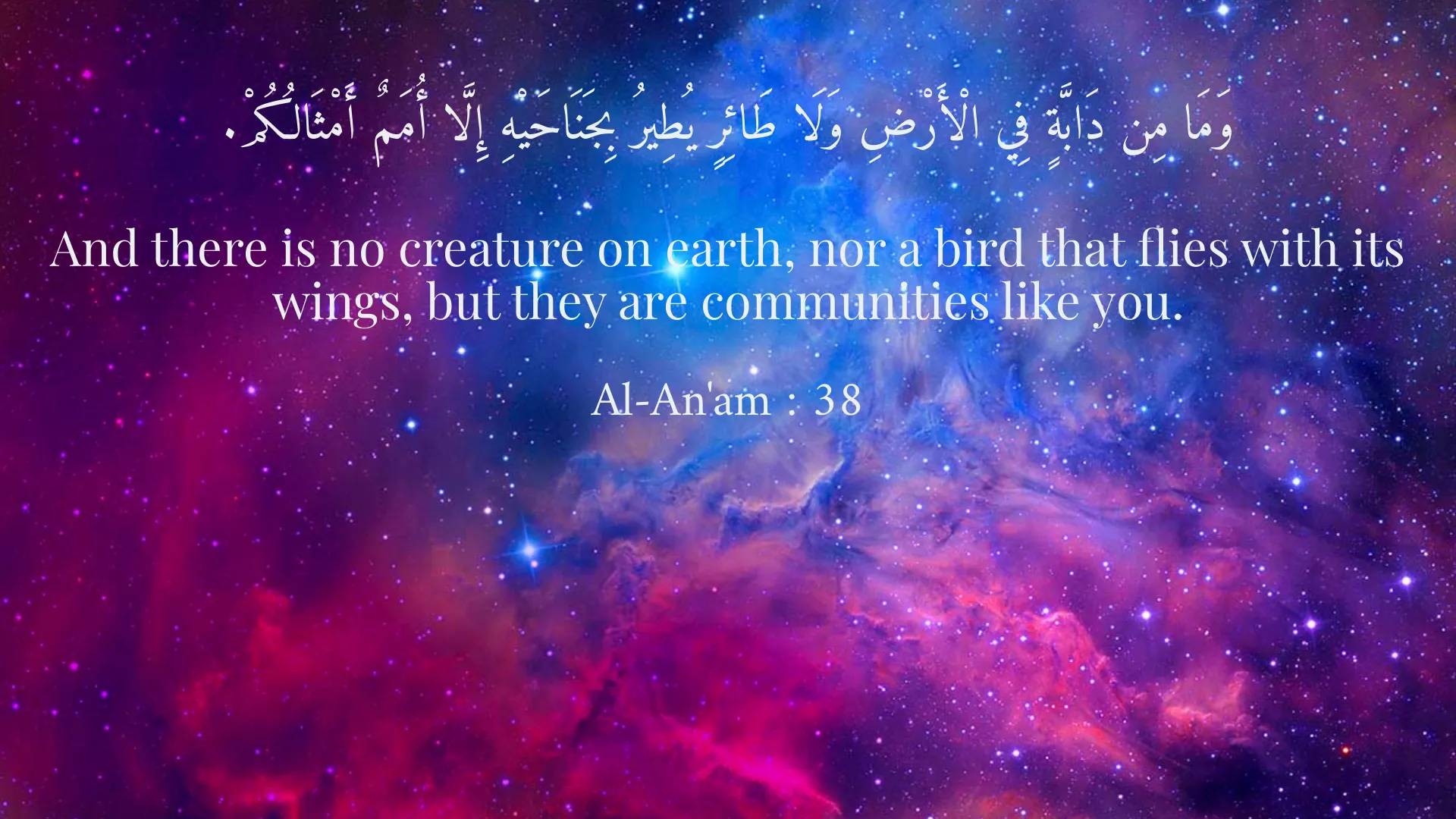
The Quran, as the holy scripture of Islam, serves as a comprehensive guide for humanity in various aspects of life, encompassing moral, spiritual, and social dimensions. Among these teachings, the significance of respecting and preserving nature stands out as an implicit yet profoundly important theme. This connection between humanity and the natural world is deeply rooted in Islamic teachings, and understanding this relationship is vital for the responsible stewardship of the Earth. In this article, we will explore the various Quranic verses and Hadiths that highlight the importance of environmental preservation, the moral and ethical obligations that stem from these teachings, and the broader implications for society as a whole. The Quran reminds humanity of the intricate balance of life on Earth and the interconnectedness of all creatures. In Surah Al-An'am, verse 38, it states: "There is no creature on earth, nor a bird that flies with its wings, but they are communities like you." This verse effectively emphasizes the shared existence of all living beings and their similar needs and desires. Just as human beings have a right to live in harmony, so too do animals, plants, and all other forms of life. This profound acknowledgement by Allah underscores the responsibility of humanity to respect and nurture these communities, recognizing that the well-being of one species ultimately impacts the well-being of others. Furthermore, in Surah An-Nisa, verse 30, Allah addresses the matter of injustice and the consequences of causing harm: "And do not commit injustice against yourselves or others." In this context, the Quran encourages us to consider our interventions in the environment as pivotal actions that can either support or undermine ecological balance. Destruction of habitats, pollution, and the over-exploitation of resources can be seen as forms of injustice—not only against nature but against ourselves, as the repercussions of such actions often return to affect humanity directly. This perspective elevates environmental care from a simple ethical consideration to a core component of moral conduct in Islam. The Quran also presents a clear distinction between righteous and corrupt behavior in matters relating to the natural world. In Surah Al-Baqarah, verse 205, Allah warns, "And when he goes away, he strives throughout the land to cause corruption therein and destroy crops and animals. And Allah does not like corruption." This warning against corruption serves as a reminder that exploitative practices, whether through capitalism or negligence, can lead to significant harm, not just to the environment, but to society at large. The call to refrain from such actions is a sacred injunction, urging humanity to act with justice and stewardship towards the Earth. Moreover, the teachings of Prophet Muhammad (peace be upon him) further illuminate the Islamic perspective on environmental care. In various Hadiths, he has conveyed the importance of caring for the environment, engaging in activities such as tree-planting, conserving water, and ensuring the well-being of animals. One noteworthy narration states: "If a Muslim plants a tree or sows seeds, and then a bird, or a person, or an animal eats from it, it is regarded as a charitable gift for him." This highlights the continuous rewards that come with environmental stewardship, reinforcing the idea that caring for nature is both a righteous act and a source of blessing. In addition to the moral implications, the Quranic emphasis on nature has significant social implications as well. Respect for the environment fosters a sense of community and mutual care within society. When individuals demonstrate concern for their surroundings, they contribute to the collective health and harmony of the community. Environmental degradation, on the other hand, often leads to social discord, economic challenges, and health crises. Thus, the Quran’s teachings urge the promotion of sustainability and responsible resource management as keys to ensuring societal well-being. This responsibility towards environmental preservation is not limited to individual actions; it extends to collective endeavors as well. Muslim communities are encouraged to engage in initiatives aimed at sustainability, whether through organizing clean-up drives, promoting eco-friendly practices, or advocating for policies that protect natural resources. The principles derived from the Quran serve as motivating forces, urging individuals to take action and create a culture of environmental responsibility. In the modern world, where environmental degradation is a pressing concern, Muslims are called to embody these teachings and take a stand against systems that contribute to ecological harm. This can be achieved through education, awareness-raising campaigns, and activism that aligns with Islamic values. By mobilizing faith communities to address environmental issues, we can inspire transformative change and advocate for a more sustainable future. In conclusion, respect for nature is deeply ingrained in the teachings of Islam, where it is considered both a religious duty and a social necessity. The Quran and Hadiths collectively emphasize the moral obligation to protect the environment and all living beings. Recognizing that we are part of a larger community of life highlights our responsibility to act ethically towards the natural world. While the Quran provides spiritual guidance, it also serves as a roadmap for practical action, urging Muslims to advocate for environmental justice and sustainability. As stewards of the Earth, we must strive to uphold these values and cultivate a harmonious relationship with our planet, ultimately benefiting all creation. This synthesis of faith, action, and responsibility underscores the true essence of Islamic stewardship of nature.
Related Verses
وَمَا مِن دَابَّةٍ فِي الْأَرْضِ وَلَا طَائِرٍ يُطِيرُ بِجَنَاحَيْهِ إِلَّا أُمَمٌ أَمْثَالُكُمْ.
And there is no creature on earth, nor a bird that flies with its wings, but they are communities like you.
Al-An'am : 38
وَلا تَقْتُلُوا أَنفُسَكُمْ ۚ إِنَّ اللَّهَ كَانَ بِكُمْ رَحِيمًا.
And do not kill yourselves. Indeed, Allah is ever Merciful to you.
An-Nisa : 30
وَإِذَا قَالَ لَهُمُ الَّذِينَ آمَنُوا أَنْ اتَّبِعُوا مَا أَنزَلَ اللَّهُ قَالُوا بَلْ نَتَّبِعُ مَا أَلْفَيْنَا عَلَيْهِ آبَاءَنَا ۗ أَوَلَوْ كَانَ آبَاؤُهُمْ لَا يَعْلَمُونَ شَيْئًا وَلَا يَهْتَدُونَ.
And when it is said to them, 'Follow what Allah has revealed,' you see them turning away in aversion.
Al-Baqarah : 205
Short Story
Once upon a time in a beautiful forest, there was a little bird named Kookab. Every day, he sang to the trees and played with the flowers. One day, he noticed that humans were hurting the forest and cutting down trees. Kookab decided to gather all the other birds to raise their voices to the humans. They sang beautiful songs to remind people that nature should be preserved. Their small act encouraged humans to think and respect the forest. Over time, the forest became alive and vibrant again.