Quranic Answer
The Holy Quran is a profound text that addresses many aspects of human existence, and among these aspects, the importance of speech and silence is highlighted. The power of words and the significance of silence can shape our lives and the lives of others in ways that are far-reaching. When one deeply contemplates the implications of how we communicate, it becomes evident that both speech and silence hold significant roles in various contexts. In this essay, we will explore the dimensions of speech and silence as outlined in the Quran, elucidating their positive and negative aspects, as well as the moral responsibilities that accompany our use of these faculties. The Power of Speech The Quran frequently emphasizes the importance of good speech; indeed, it plays a crucial role in guiding individuals towards righteousness and faith. In Surah Fussilat, verse 33, Allah states: "And who is better in speech than one who invites to Allah and does righteousness and says, 'Indeed, I am of the Muslims'?" This verse serves as a reminder that the ultimate purpose of our speech should be to invite others towards goodness and to promote righteousness. It signifies that communication is not just about exchanging words but is profoundly connected to the intentions behind those words. When we endeavor to lead others to God, our speech becomes a tool for spreading love, wisdom, and understanding. In an age characterized by the rapid dissemination of information, the quality and purpose of our speech must remain at the forefront of our intentions. Each utterance should reflect an invitation to explore faith, engage in righteous actions, and connect with the essence of being a Muslim. The Role of Silence While speech is valuable, silence, too, has its place and importance. The Quran teaches that silence can serve as a powerful ally in maintaining peace and preventing conflict. It allows for reflection, contemplation, and the consideration of one’s words before they are spoken. Silence can also be a protective shield in hostile environments where rampant criticism and negativity prevail. In Surah Al-Baqarah, verse 83, the Quran commands: "And [recall] when We took the covenant from the Children of Israel, [enjoining upon them], 'Do not worship except Allah; and to parents, do good..." This reinforces not only the necessity of righteous speech but also the importance of remaining silent when advocating peace and harmony. However, silence can take on a negative dimension when it leads to complacency in the face of injustice or falsehood. The Quran emphasizes that there are moments when silence is unacceptable. When faced with oppression or when truth needs to be upheld, remaining silent can be construed as complicity. There is a moral duty that comes with our ability to speak; we must find the courage to voice the truth, to stand against injustice, and to advocate for the oppressed. The Balance Between Speech and Silence As we navigate through life, the interplay of speech and silence requires an astute understanding of context. It is crucial to act with discernment and wisdom, allowing the circumstances to guide whether we engage in conversation or exercise our right to silence. The teachings of Prophet Muhammad (peace be upon him) suggest a pragmatic balance: "Whoever does good to you, you should respond to them with goodness, even if they are silent." Here, the Prophet emphasizes the necessity of acknowledging the positive actions of others and reciprocating with kindness, even in silence. Each situation may warrant a different response; thus, our ability to discern the right time to speak and the right time to remain silent is vital. In an interpersonal context, understanding when to speak up or when to remain quiet can foster better relationships, create an atmosphere of trust, and establish a deeper connection with others. Silence can serve as a pause for thought, a respite for emotions, and a time for reflection. Conclusion: The Function of Speech and Silence in Muslim Practice In conclusion, the Holy Quran eloquently highlights the twin pillars of speech and silence within human life. Recognizing the significance of these forms of communication enables individuals to foster better relationships, uphold righteousness, and act with moral integrity in their interactions with others. Speech should be employed as an instrument of good, guiding oneself and others towards the divine, while silence should be respected for its role in maintaining peace and contemplation. However, silence must not be mistaken for passivity. When faced with the challenges of injustice, falsehood, or moral decline, we must summon the courage to speak up and advocate for what is right. Our duty as Muslims transcends mere observance; it calls us to action, whether through the commitment of speech or by the principled choice of silence. Striking a balance between these two can ultimately lead to a more just and harmonious world, reflective of the values espoused in the Quran.
Related Verses
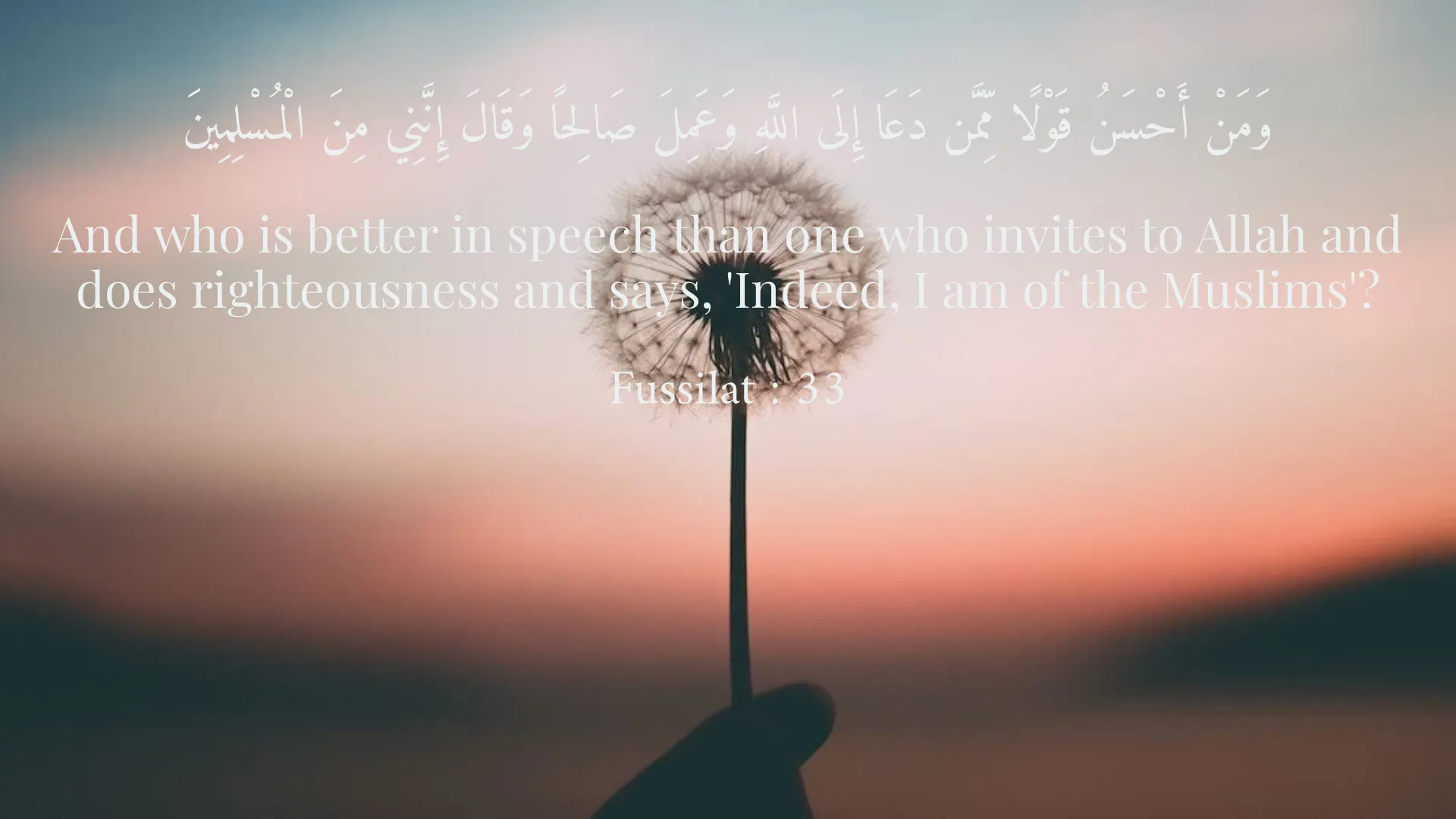
وَمَنْ أَحْسَنُ قَوْلًا مِّمَّن دَعَا إِلَى اللَّهِ وَعَمِلَ صَالِحًا وَقَالَ إِنَّنِي مِنَ الْمُسْلِمِينَ
And who is better in speech than one who invites to Allah and does righteousness and says, 'Indeed, I am of the Muslims'?
Fussilat : 33
وَإِذْ أَخَذْنَا مِيثَاقَ بَنِي إِسْرَائِيلَ لَا تَعْبُدُونَ إِلَّا اللَّهَ وَبِالْوَالِدَيْنِ إِحْسَانًا
And [recall] when We took the covenant from the Children of Israel, [enjoining upon them], 'Do not worship except Allah; and to parents, do good...'
Al-Baqarah : 83
Short Story
One day, a man was sitting by the sea watching the sunset. He had chosen to remain quiet and was admiring the beauty of nature. In his heart, he felt a sense of peace. When the sunset ended, he remembered that in his life as well, he should occasionally embrace silence and draw closer to God. He decided that in situations where good speech is needed, he would speak out, and in other times, he would choose to remain silent.