Quranic Answer
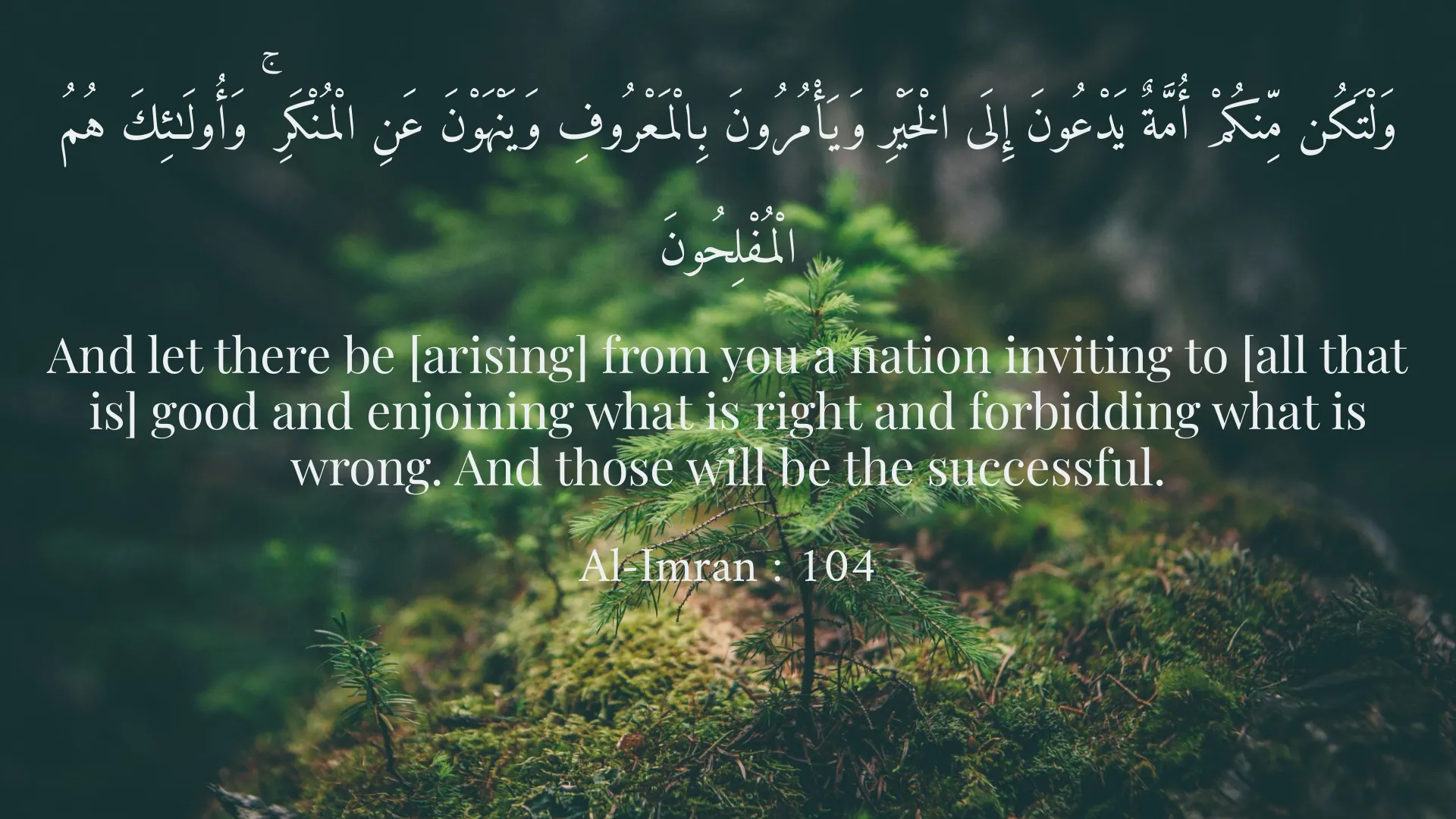
The Holy Quran is not only a spiritual guide for Muslims, but it also serves as a profound source of moral and ethical guidance in the face of injustice and oppression. The teachings contained within its verses emphasize the significance of not only recognizing but actively opposing acts of oppression. In a world rife with inequality, discrimination, and cruelty, the message contained within the Quran is more pertinent than ever. This article delves deeper into the Quranic injunctions against oppression, the role of justice within Islamic teachings, and the broader implications these principles have in contemporary society. One of the prominent themes presented in the Quran is the necessity of fighting against oppression. The aforementioned verse from Surah Al-Imran (3:104) clearly illustrates this notion: 'Let there arise from you a group inviting to all that is good, and enjoying what is right and forbidding what is wrong.' This verse establishes a foundational expectation that Muslims are to actively engage in promoting good deeds and preventing wrongdoing. The call to action indicates that members of the community should not passively observe injustice; rather, they must take proactive measures to uplift the oppressed and mitigate the suffering experienced by those wronged. In essence, this verse serves as a clarion call for social responsibility. When individuals ignore injustice, whether it occurs locally or globally, they risk complicity. The Quran emphasizes that silence or inaction in the face of wrongdoing can perpetuate a cycle of oppression. This reflects a broader moral principle: that every member of society has a duty to stand up and voice their opposition to injustice, regardless of its source. Similarly, in Surah Al-Ma'idah (5:8), Allah commands believers: 'O you who have believed, be persistently standing firm in justice, witnesses in justice.' This verse reinforces the critical role of justice as a divine obligation within Islam. Bearing witness against injustice is not a mere recommendation; it is an essential requirement. The call to stand firm in justice underscores the idea that Muslims must maintain their integrity and uphold fairness, even when circumstances might render it easier to align with the oppressors. Moreover, this verse introduces a powerful element of accountability. It emphasizes that one must be truthful and fair, even when the injustices inflicted affect their own family or community. The ethical implications are profound: individuals cannot become selective witnesses, choosing only to support justice when it aligns with their own interests or biases. The Quran mandates that its followers engage in what is equitable, leading to social cohesion and harmony rather than discord and division. These teachings find further emphasis in the prophetic traditions of Prophet Muhammad (peace be upon him). Throughout his life, the Prophet consistently advocated for the oppressed and demonstrated unwavering commitment to justice. His teachings explicitly encourage believers to rise against oppression, asserting that injustice must not be tolerated. The Prophet is reported to have said, 'The most beloved of people to Allah are those who are most beneficial to people,' highlighting that true piety is reflected in acts of service and advocacy for others, especially those marginalized or targeted by oppressors. In addition to the Quranic directives and the prophetic teachings, historical precedents within Islam showcase the consequences of silence in the face of oppression. The examples of key figures throughout Islamic history, who stood against tyrants and corporate greed, are indicative of a long-standing commitment to justice and freedom. From the story of the early Muslims suffering persecution in Mecca to the struggles faced by various prophets in their distinctly oppressive contexts, the narrative is clear: Islam and justice are intertwined. It is essential to understand that the concept of oppression is multifaceted. It can take various forms, such as economic exploitation, social marginalization, racial discrimination, gender inequality, and political subjugation. The Quran's emphasis on fighting against such injustices encourages a comprehensive approach toward justice, urging individuals to challenge all forms of oppression without fear or hesitation. In a contemporary landscape filled with various manifestations of inequality, the lessons of the Quran resonate solitarily: injustice must be confronted in all its forms. The repercussions of inaction in the face of injustice cannot be overstated. The cumulative effects of societal silence can lead to the entrenchment of oppressive systems, where the rights of the vulnerable are trampled upon with impunity. The moral authority of the Quran serves as a reminder that inaction is, in itself, a form of oppression. Silence can embolden the oppressor by creating the illusion of social acceptance of their actions. This level of complicity not only harms the individuals suffering from injustice but can ultimately compromise the integrity of society as a whole. In conclusion, the teachings of the Holy Quran provide essential guidance for confronting injustice and advocating for the oppressed. Both individual and collective responsibility in promoting good deeds, standing against wrongdoing, and witnessing truth demand active engagement. As articulated through various verses and the life of Prophet Muhammad (peace be upon him), Islamic teachings compel believers to rise against injustice, thus fostering a society grounded in equity and fairness. The moral and ethical imperatives present in these teachings are not restricted to a specific time or place; rather, they continue to guide Muslims in navigating the complexities of modern life, encouraging them to act in accordance with the values that underpin a just society. It is imperative for individuals and communities alike to heed this call and fulfill their duty toward justice, ultimately reinforcing the Quranic lesson that inaction in the face of injustice is unacceptable.
Related Verses
وَلْتَكُن مِّنكُمْ أُمَّةٌ يَدْعُونَ إِلَى الْخَيْرِ وَيَأْمُرُونَ بِالْمَعْرُوفِ وَيَنْهَوْنَ عَنِ الْمُنْكَرِ ۚ وَأُولَـٰئِكَ هُمُ الْمُفْلِحُونَ
And let there be [arising] from you a nation inviting to [all that is] good and enjoining what is right and forbidding what is wrong. And those will be the successful.
Al-Imran : 104
يَا أَيُّهَا الَّذِينَ آمَنُوا كُونُوا قَوَّامِينَ بِالْقِسْطِ شُهَدَاءَ لِلَّهِ ۖ وَلو عَلَى أَنفُسِكُمْ أَوِ الْوَالِدَيْنِ وَالأَقْرَبِين
O you who have believed, be persistently standing firm in justice, witnesses in justice. Even if it be against yourselves or parents and relatives.
Al-Ma'idah : 8
Short Story
Once, a man lived in a city suffering from the oppression and corruption of the ruling powers. He noticed that his neighbors remained silent in the face of this injustice and decided to break that silence. He organized peaceful protests and raised his voice against the oppression. His actions inspired others, and gradually, a group joined him to stand against the injustice.