Quranic Answer
In the often challenging journey of spiritual life and devotion to God, it is possible for a person to occasionally experience feelings of spiritual fatigue, discouragement, or lethargy. This state, known as 'spiritual fatigue' or 'languishing in faith,' is a perfectly human phenomenon and, in many aspects, natural. It is not necessarily a sign of weak faith, but rather can be part of the stages of growth and divine testing. The Holy Quran, in numerous verses, addresses various aspects of human life, including the ups and downs of the soul and the challenges of the path of servitude. This divine book teaches us that this world is a place of trial and testing, and every believer will inevitably face hardships, challenges, and sometimes even despair on this path. These challenges can be physical, mental, or, as the question suggests, spiritual. Allah explicitly states in the Quran that He does not burden any soul beyond its capacity (Surah Al-Baqarah, verse 286). This verse reassures us that any fatigue or pressure we experience is within our endurance, and the necessary tools to overcome it have also been provided to us. These tools primarily include patience, prayer, remembrance (Dhikr), and reliance on Allah (Tawakkul). Spiritual fatigue can stem from various factors: including the pressures and problems of worldly life that distract one from the remembrance of God, the accumulation of minor sins that cloud the soul, the failure to see quick results from good deeds, comparing oneself to others, or even monotony in performing acts of worship and failing to discover deeper pleasure in them. In such circumstances, the Quran offers numerous solutions for regaining spiritual vitality and strengthening faith. One of the most important solutions is to seek refuge in patience and prayer. In Surah Al-Baqarah, verse 153, we read: “O you who have believed, seek help through patience and prayer. Indeed, Allah is with the patient.” Patience means steadfastness and resilience in the face of difficulties and not being hasty in seeing results. Prayer, as the pillar of religion and the ascension of the believer, is a place for communion with Allah and for releasing heavy spiritual burdens. Prayer is an opportunity to renew one's covenant with the Creator and to recall the primary purpose of life. When we feel spiritual fatigue, it is precisely then that we most need a heartfelt connection with Allah. The Quran also emphasizes that with every hardship, there is ease (Surah Al-Inshirah, verses 5-6). This divine promise is a comfort to tired hearts and reminds us that this state is temporary, and after every difficult period, there is relief. This cycle of hardship and ease is part of divine wisdom in nurturing human beings, so that their faith may be polished and grow. Remembrance of Allah (Dhikr) is another key factor in alleviating spiritual fatigue and bringing tranquility to the heart. In Surah Ar-Ra'd, verse 28, it states: “Those who have believed and whose hearts are assured by the remembrance of Allah. Unquestionably, by the remembrance of Allah hearts are assured.” Dhikr is not just the repetition of words, but signifies a constant and heartfelt presence of Allah in one's mind and life. When a person becomes engrossed in daily preoccupations and neglects the remembrance of Allah, their soul feels a void and fatigue. Returning to Dhikr and focusing on Allah frees the heart from anxiety and despair and brings it peace. Renewing ablution, reciting the Quran with contemplation, supplication and intimate prayer (Munajat), participating in religious gatherings, and associating with righteous people are all tools that the Quran and Sunnah have introduced to us for strengthening the soul and eliminating spiritual weariness. From another perspective, spiritual fatigue sometimes arises from a misunderstanding of the nature of Jihad (struggle/striving) in the way of Allah and steadfastness. The Quran calls believers to Jihad (effort and struggle) in the way of Allah. This Jihad includes struggle against one's own self (nafs), struggle against Satan, and struggle in social and economic spheres. Every form of Jihad entails difficulty and hardship, and it is natural for a person to feel tired on this path. However, what is important is that this fatigue does not deter them from their path, but rather becomes an impetus to seek more refuge in Allah and ask for His help. Prophets and saints of Allah also faced many spiritual and physical hardships and fatigues in their path of دعوت (invitation to Islam) and devotion, but they never lost heart and continued with reliance on Allah. The story of Prophet Ayyub, who endured severe trials with unparalleled patience, or the steadfastness of Prophet Muhammad (peace be upon him) in the face of persecution and pressure from the disbelievers, are clear examples of this truth. These role models teach us that spiritual fatigue can be an opportunity to test our resolve and the depth of our faith, pushing us towards deeper growth. Therefore, yes, feelings of spiritual fatigue in the path of God and in the journey of devotion are natural, but this is a temporary stop, not the final destination. This feeling can serve as a warning sign to re-evaluate one's relationship with God, increase remembrance and prayer, and renew strength by utilizing Quranic teachings. By understanding the truth that Allah does not burden us beyond our capacity and that with every hardship there is ease, we can overcome these fatigues with the help of patience, prayer, and divine remembrance, continuing on the path to Allah with renewed spirit and stronger faith. These fatigues are themselves part of the process of spiritual evolution that brings a person closer to the Divine Essence and teaches them that only by relying on Him can all difficulties be overcome.
Related Verses
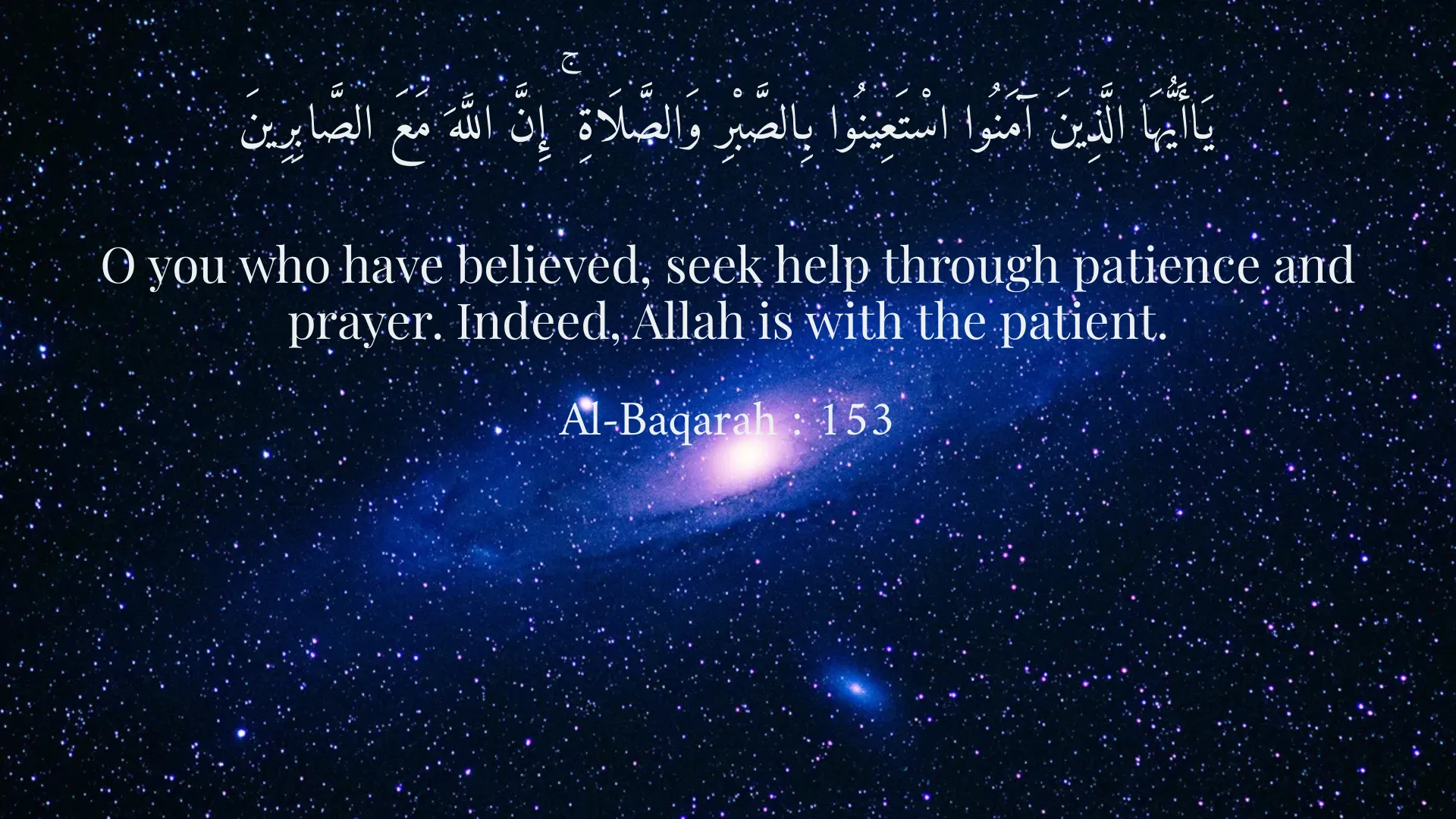
يَاأَيُّهَا الَّذِينَ آمَنُوا اسْتَعِينُوا بِالصَّبْرِ وَالصَّلَاةِ ۚ إِنَّ اللَّهَ مَعَ الصَّابِرِينَ
O you who have believed, seek help through patience and prayer. Indeed, Allah is with the patient.
Al-Baqarah : 153
فَإِنَّ مَعَ الْعُسْرِ يُسْرًا
For indeed, with hardship [will be] ease.
Al-Inshirah : 5
إِنَّ مَعَ الْعُسْرِ يُسْرًا
Indeed, with hardship [will be] ease.
Al-Inshirah : 6
الَّذِينَ آمَنُوا وَتَطْمَئِنُّ قُلُوبُهُم بِذِكْرِ اللَّهِ ۗ أَلَا بِذِكْرِ اللَّهِ تَطْمَئِنُّ الْقُلُوبُ
Those who have believed and whose hearts are assured by the remembrance of Allah. Unquestionably, by the remembrance of Allah hearts are assured.
Ar-Ra'd : 28
لَا يُكَلِّفُ اللَّهُ نَفْسًا إِلَّا وُسْعَهَا ۚ لَهَا مَا كَسَبَتْ وَعَلَيْهَا مَا اكْتَسَبَتْ ۗ رَبَّنَا لَا تُؤَاخِذْنَا إِن نَّسِينَا أَوْ أَخْطَأْنَا ۚ رَبَّنَا وَلَا تَحْمِلْ عَلَيْنَا إِصْرًا كَمَا حَمَلْتَهُ عَلَى الَّذِينَ مِن قَبْلِنَا ۚ رَبَّنَا وَلَا تُحَمِّلْنَا مَا لَا طَاقَةَ لَنَا بِهِ ۖ وَاعْفُ عَنَّا وَاغْفِرْ لَنَا وَارْحَمْنَا ۚ أَنتَ مَوْلَانَا فَانصُرْنَا عَلَى الْقَوْمِ الْكَافِرِينَ
Allah does not charge a soul except [with that within] its capacity. It will have [the consequence of] what it has gained, and it will bear [the consequence of] what it has earned. Our Lord, do not impose blame upon us if we have forgotten or erred. Our Lord, and lay not upon us a burden like that which You laid upon those before us. Our Lord, and burden us not with that which we have no ability to bear. And pardon us; and forgive us; and have mercy upon us. You are our protector, so give us victory over the disbelieving people.
Al-Baqarah : 286
Short Story
One day, an elderly dervish was traversing a scorching desert. The relentless sun beat down, and a debilitating thirst overwhelmed his spirit and body. His steps grew heavy, and both physical and spiritual fatigue robbed him of strength. He mused, "I have no strength to continue! Perhaps this path is endless, and the destination will never be reached." In those moments of despair, his eyes fell upon a dry bush whose roots, despite the dryness, had scarcely reached a meager amount of water. He thought to himself, "If this bush continues to live in these harsh conditions, how can I, who possess a soul and intellect as a trust, despair of the Lord's mercy?" Then he recalled the Divine words: "Seek help through patience and prayer." He prostrated himself and implored the Lord for help with all his being. A tear that flowed from his eyes seemed to infuse new life into him. He rose, lighter than before, and set off, with each step his hope growing stronger until he finally reached a clear spring. He realized that fatigues are also a test, meant to strengthen the heart's bond with the Beloved, and that every hardship is surmountable if one entrusts their heart to Him.