Quranic Answer
The profound question, "Is the harder path the more correct path?" requires a nuanced understanding from the perspective of the Holy Quran, delving into the nature of faith, divine trials, heavenly rewards, and the intrinsic concepts of ease and difficulty within religion. The Quran does not explicitly state that any path that is inherently more difficult is automatically more righteous. Instead, it emphasizes that the "correct path"—the straight path (Sirat al-Mustaqim), the way of truth and servitude to God—is often accompanied by challenges, tests, and obstacles. These difficulties are not ends in themselves, but rather inevitable elements that are crucial for human spiritual growth and perfection, serving to distinguish sincere believers from mere claimants. Throughout numerous verses, the Quran highlights that worldly life is a realm of trials and tribulations, and believers are not exempt from this divine decree. Allah Almighty clearly articulates this principle in Surah Al-Baqarah, verse 155: "And We will surely test you with something of fear and hunger and a loss of wealth and lives and fruits, but give good tidings to the patient." This verse unequivocally states that hardships such as fear, hunger, and financial or personal losses are an inseparable part of a believer's journey. The purpose of these tests is to gauge the extent of one's steadfastness, patience, reliance on God (Tawakkul), and resilience on the path of truth. These difficulties act as a means of purifying the soul, removing impurities from the human heart, and, in a sense, preparing the believer for higher spiritual stages. Those who persevere patiently through these hardships and do not deviate from the righteous path are promised divine glad tidings. Further reinforcing this concept, Surah Al-Ankabut, verses 2 and 3, unequivocally address this notion: "Do people think that they will be left to say, 'We believe' and they will not be tried? But We have certainly tried those before them, and Allah will surely know those who are truthful, and He will surely know the liars." These verses, posed in a questioning tone, reject any simplistic notion of faith. Believing is not merely a verbal assertion; it requires practical demonstration in the crucible of trials. Allah states that previous generations were also tested, and this is a divine tradition to distinguish the truthful from the deceitful. This "fitnah" or trial encompasses the very hardships and challenges that arise on the path of faith. Thus, difficulties on the righteous path are not only natural but also play a vital role in revealing the depth and sincerity of an individual's faith. They serve to strengthen character, deepen conviction, and forge a resilient spirit capable of facing life's complexities. However, on the other hand, the Holy Quran frequently emphasizes the concept of "Yusr" or ease within the religion of Islam. It is crucial to have a correct understanding of this point. In Surah Al-Hajj, verse 78, we read: "And He has not placed upon you in the religion any difficulty." This verse clearly states that Allah has not burdened you with any hardship or constraint in religion. Divine commands and injunctions are not beyond human capacity and do not place an unbearable burden on individuals. This means that Islam, by its very nature, is an easy and practical religion. Therefore, if difficulties arise on the path of truth, they are often due to external factors (such as societal opposition, Satanic temptations) or internal ones (like worldly desires and moral shortcomings), rather than the inherent nature of the religion itself. In other words, traversing the righteous path in a world filled with material attractions and sins requires spiritual striving (jihad al-nafs) and resistance against temptations. It is this striving and resistance that can make the path seem arduous, not the essence of the religion itself, which is imbued with mercy and ease. The Prophet Muhammad (PBUH) also stated: "Religion is ease, and no one makes religion difficult except that it overcomes him." This Prophetic narration aptly illustrates that extremism in religion and imposing unnecessary hardships upon oneself are not only unapproved but can also lead to deviation and failure. Therefore, the criterion for the correctness of a path is not its "difficulty," but its "righteousness" or adherence to truth. If a path is truthful, even if it entails difficulties due to external factors or the struggle against the self, then those difficulties become valuable and constructive. They are not deterrents but opportunities for spiritual elevation. In reality, the value and credibility of a path are not measured by its apparent difficulty, but by the goal and destination it leads to, and by the degree of steadfastness and perseverance required to traverse it. The path of truth may be full of ups and downs and trials, but the divine promise for those who walk this path is immense reward, enduring peace, and eternal bliss in the Hereafter. The hardships endured on this path serve as purifiers for sins, a means for elevating spiritual ranks, and also as an opportunity for personal growth and maturity. With every hardship, a believer draws closer to Allah, gains a deeper understanding of reliance on God (Tawakkul) and patience (Sabr), and their trust in divine power and mercy increases. The biographies of Prophets and divine saints serve as clear evidence of this truth. Prophets of Allah, throughout their divine mission of inviting people to the truth, consistently faced the greatest challenges, enmity, persecution, and resistance. From being expelled from their homelands to facing death threats and enduring immense sufferings. However, their steadfastness and perseverance in the face of these difficulties not only strengthened their faith and elevated their status but also became an enduring model for all humanity. The story of Prophet Yusuf (Joseph) facing the envy of his brothers, being thrown into a well, captivity, and years in prison; the story of Prophet Ayyub (Job) afflicted with severe illness and loss of wealth and children; and the story of Prophet Musa (Moses) with his constant struggle against Pharaoh and his rebellious people—all are clear examples that the path of truth, although it may be accompanied by problems and difficulties, is the most valuable and correct path due to the grandeur of its goal, divine reward, and the pleasure of the Lord. Therefore, one cannot generalize that every harder path is necessarily the more correct one. One might, out of ignorance, fanaticism, or even self-inflicted asceticism, choose a very difficult and aimless path that has no connection to truth or divine pleasure. The criterion and measure for the correctness of a path are its conformity with divine guidance, as manifested in the Quran and the Sunnah of the Prophet (PBUH), sound reason, and pure human nature (Fitra). If this path, which is in accordance with the truth, also entails difficulties, then those difficulties are considered as a divine test and an opportunity for growth, closeness to God, and purification of the soul. What is important is "steadfastness and perseverance on the path of truth," not merely choosing hardship for its own sake. Faith in Allah and the Day of Judgment is the primary motivation for enduring these difficulties, allowing the believer not only to be fearless of them but to view them as opportunities for drawing closer to God and earning eternal rewards. The hardships of the righteous path are, in reality, veils that unveil the true character of individuals and foster strong will and trust in divine promises within the hearts of believers. Ultimately, the Holy Quran teaches us to always move on the path of truth and strive for the pleasure of the Lord, even if this path is accompanied by challenges and difficulties. These difficulties, in the overall perspective of life and the Hereafter, are temporary and transient, and insignificant compared to the endless divine rewards. Allah Himself has given this great tidings to the patient and those who walk the path of truth in Surah Al-Sharh, verses 5 and 6: "For indeed, with hardship [will be] ease. Indeed, with hardship [will be] ease." These verses clearly indicate that every difficulty will be accompanied by ease, and this ease following hardship is not only a comfort for sufferings but also a reward for steadfastness on the path of truth. Hence, the criterion for choosing a path is not its degree of difficulty, but its righteousness and truthfulness, reliance on Allah in traversing it, and sincerity in intention. The difficulties that arise on this path are not meant to cause harm or pointless suffering, but to refine and polish the human soul so that it may attain perfection and closeness to God. Consciously choosing the path of truth, even with awareness of its potential difficulties, demonstrates insight, depth of faith, and true reliance, which ultimately leads to success and salvation.
Related Verses
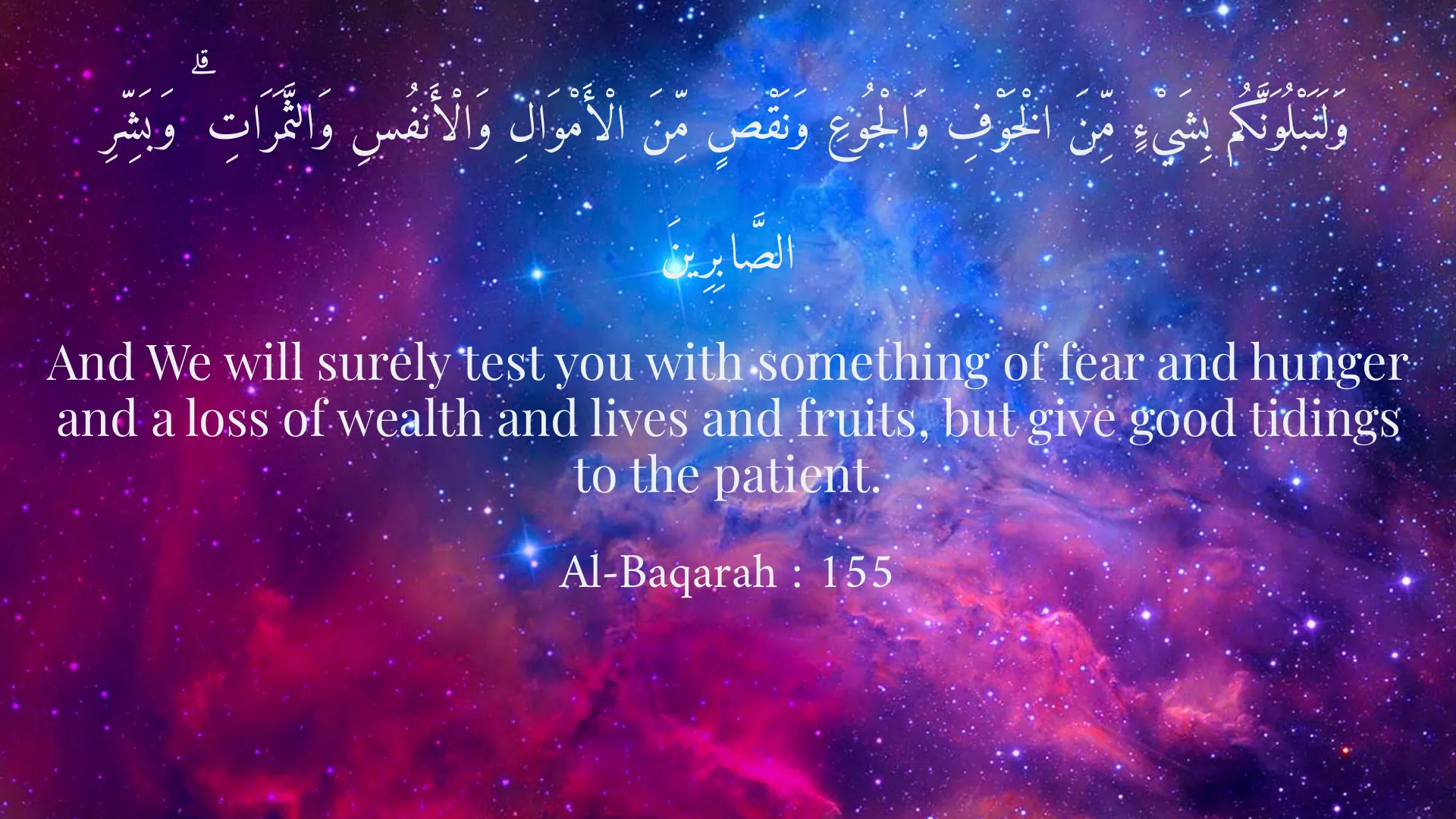
وَلَنَبْلُوَنَّكُم بِشَيْءٍ مِّنَ الْخَوْفِ وَالْجُوعِ وَنَقْصٍ مِّنَ الْأَمْوَالِ وَالْأَنفُسِ وَالثَّمَرَاتِ ۗ وَبَشِّرِ الصَّابِرِينَ
And We will surely test you with something of fear and hunger and a loss of wealth and lives and fruits, but give good tidings to the patient.
Al-Baqarah : 155
أَحَسِبَ النَّاسُ أَن يُتْرَكُوا أَن يَقُولُوا آمَنَّا وَهُمْ لَا يُفْتَنُونَ
Do people think that they will be left to say, 'We believe' and they will not be tried?
Al-Ankabut : 2
وَلَقَدْ فَتَنَّا الَّذِينَ مِن قَبْلِهِمْ ۖ فَلَيَعْلَمَنَّ اللَّهُ الَّذِينَ صَدَقُوا وَلَيَعْلَمَنَّ الْكَاذِبِينَ
But We have certainly tried those before them, and Allah will surely know those who are truthful, and He will surely know the liars.
Al-Ankabut : 3
وَجَاهِدُوا فِي اللَّهِ حَقَّ جِهَادِهِ ۚ هُوَ اجْتَبَاكُمْ وَمَا جَعَلَ عَلَيْكُمْ فِي الدِّينِ مِنْ حَرَجٍ ۚ مِّلَّةَ أَبِيكُمْ إِبْرَاهِيمَ ۚ هُوَ سَمَّاكُمُ الْمُسْلِمِينَ مِن قَبْلُ وَفِي هَٰذَا لِيَكُونَ الرَّسُولُ شَهِيدًا عَلَيْكُمْ وَتَكُونُوا شُهَدَاءَ عَلَى النَّاسِ ۚ فَأَقِيمُوا الصَّلَاةَ وَآتُوا الزَّكَاةَ وَاعْتَصِمُوا بِاللَّهِ هُوَ مَوْلَاكُمْ ۖ فَنِعْمَ الْمَوْلَىٰ وَنِعْمَ النَّصِيرُ
And strive for Allah with the appropriate striving due to Him. He has chosen you and has not placed upon you in the religion any difficulty. [It is] the religion of your father, Abraham. He named you Muslims before [in former scriptures] and in this [Quran] that the Messenger may be a witness over you and you may be witnesses over the people. So establish prayer and give zakah and adhere to Allah. He is your protector; and excellent is the protector, and excellent is the helper.
Al-Hajj : 78
فَإِنَّ مَعَ الْعُسْرِ يُسْرًا
For indeed, with hardship [will be] ease.
Ash-Sharh : 5
إِنَّ مَعَ الْعُسْرِ يُسْرًا
Indeed, with hardship [will be] ease.
Ash-Sharh : 6
Short Story
It is recounted that in ancient times, in a distant city, there lived an ascetic man who was always in search of truth. One day, he asked a wise master, "O sage, which path is the righteous one? The smooth and easy one, or the winding and difficult one?" The master smiled and said, "O seeker of good, many assume that the harder the path, the closer it must be to the destination. But the truth is that the righteous path is not inherently difficult; rather, when you embark upon it, the thorns and dust of the ego and worldly temptations may make it arduous for you. It is like the story of a traveler lost in the desert. He had two paths before him: one wide and smooth, which seemed to lead quickly to a settlement, but in reality, it led to a mirage and destruction. The other was narrow and stony, exceedingly difficult to traverse, but the wise desert wanderer knew that this path led to a pure spring and a fertile palm grove. With patience and reliance on God, he chose the difficult path, embraced its hardships, and finally reached his destination, drinking from the life-giving water. Know that not every hardship signifies the righteous path, nor does every ease indicate deviation. The criterion is the rectitude of the path and its destination, and if hardships arise on this righteous path, they themselves are the ladder to union with God."