Quranic Answer
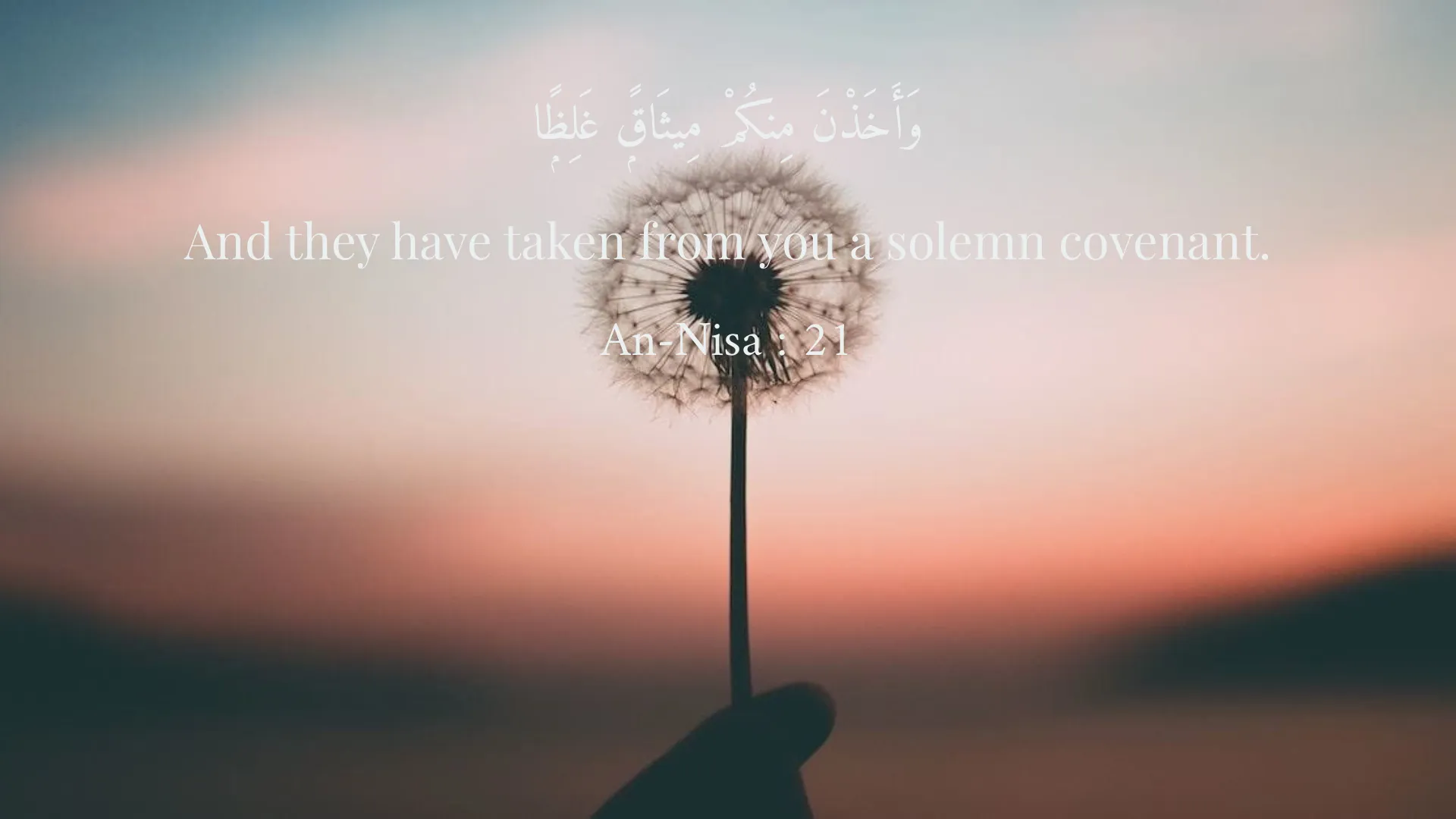
The Holy Quran, revered as the final revelation to humanity, serves as a comprehensive guide for various aspects of life, including the crucial domains of marriage and family life. As we delve deeper into the teachings of the Quran, it becomes clear that the principles outlined regarding marriage and family are not only timeless but foundational for building healthy relationships. These teachings advocate for a life rooted in love, mercy, and mutual responsibility among family members. In this article, we will explore the fundamental teachings of the Quran concerning marriage and family life, illustrating their significance in nurturing a stable society and fostering individual well-being. Marriage is described in the Quran as a sacred covenant, emphasizing the seriousness and sanctity of the matrimonial bond. In Surah An-Nisa, verse 21, Allah underscores this by stating, "And they have taken from you a solemn covenant." This verse signifies that marriage is not merely a contractual agreement but a solemn commitment undertaken by both partners to support and uplift one another. The concept of a covenant implies mutual respect and obligation, wherein both spouses are not only partners but also companions. Thus, marital relationships, according to Islamic teachings, should be rooted in love, trust, and friendship that grow through mutual support and shared experiences. Moreover, the Quran highlights the essence of love and compassion in marital relationships. In Surah Ar-Rum, verse 21, it further elaborates: "And among His signs is that He created for you from yourselves mates that you may find tranquility in them and He placed between you affection and mercy." This beautiful verse encapsulates the purpose of marriage in Islam. The term "tranquility" suggests that marriage is meant to be a sanctuary, offering emotional and spiritual solace. The affection and mercy interwoven into the fabric of marital relationships not only yield joy but are also seen as divine blessings. Marital love in the Islamic context is expected to facilitate understanding, create a nurturing environment, and produce emotional security for both partners and their potential offspring. In addition to love and companionship, the Quran places a strong emphasis on family as the cornerstone of community and individual identity. The family unit is designed to provide emotional support, guidance, and a sense of belonging. In Surah Al-Imran, verse 6, we read: "Allah takes the souls at death, and that which has not died in its sleep." This verse reflects the significance of family ties, suggesting that our relationships with family members transcend the physical realm of existence. Family is depicted as a vital source of strength, love, and connection that sustains individuals through life’s trials. A nurturing family environment encourages values, tradition, and a sense of moral responsibility, thereby contributing to the fabric of society. The Quran also recognizes the individual rights and responsibilities that each family member holds, thus governing family dynamics with principles of fairness and justice. Both husbands and wives have specific roles and responsibilities that, when fulfilled, contribute to a balanced and harmonious family environment. The Quran encourages spouses to support each other in fulfilling their respective roles, cultivating an atmosphere of cooperation and collaboration. This mutual respect transforms the family into a cohesive unit where every member is valued and acknowledged. Furthermore, the teachings of the Quran extend beyond the parents to encompass the entire family structure, urging respect and kindness across generations. In many cultures, and particularly within Islamic societies, the concept of honoring one’s parents is highly emphasized. This respect enhances familial bonds and fosters an environment where values can be transmitted effectively from one generation to the next. The Quranic injunctions advocate for treating parents with the utmost kindness, recognizing their sacrifices and nurturing them as they age. By emphasizing the connection between generations, the Quran encourages the preservation of family lineage and identity, thus strengthening societal ties. Another critical aspect of family life addressed by the Quran is the importance of clear communication and problem resolution among family members. Conflicts may naturally arise, but the Quran advocates for constructive engagement characterized by patience, understanding, and compassion. Effective communication can alleviate misunderstandings and strengthen marital bonds, ultimately leading to healthier familial relationships. The ability to listen and empathize with one another can significantly enhance conflict resolution, ensuring that harmony is restored quickly. Islamic teachings also encourage the practice of gratitude within families. Expressing gratitude cultivates a positive atmosphere and reinforces feelings of appreciation for each other’s efforts. By fostering an attitude of gratitude, family life becomes enriched, and appreciation for the relationships one shares deepens. Such practices create an emotionally healthier environment, reducing resentment and fostering cooperation among family members. In conclusion, the Quran provides profound insights into marriage and family life, stressing the importance of love, compassion, mutual responsibility, and respect. The guidance offered in the Quran establishes a blueprint for cultivating enduring relationships that thrive on emotional support and spiritual sustenance. The principles outlined in the Quran highlight that a healthy family unit not only contributes to individual well-being but also plays a crucial role in creating a harmonious and prosperous community. By adhering to these divine teachings, families can navigate the complexities of life, ensuring that they remain resilient, bonded, and united in love and understanding. Through its insightful verses, the Quran continues to illuminate the path for millions, emphasizing the significance of family as both a source of strength and a divine blessing.
Related Verses
وَأَخَذْنَ مِنكُمْ مِيثَاقًۭ غَلِظًۭا
And they have taken from you a solemn covenant.
An-Nisa : 21
وَمِنْ آيَاتِهِ أَنْ خَلَقَ لَكُمْ مِّنْ أَنفُسِكُمْ أَزْوَاجًۭا لِّتَسْكُنُوا إِلَيْهَا وَجَعَلَ بَيْنَكُمْ مَوَدَّةًۭ وَرَحْمَةًۭ
And among His signs is that He created for you from yourselves mates that you may find tranquility in them and He placed between you affection and mercy.
Ar-Rum : 21
اللَّهُ يَتَوَفَّى الْأَنْفُسَ حِينَ مَوْتِهَا وَالَّتِي لَمْ تَمُتْ فِي مَنَامِهَا
Allah takes the souls at death, and that which has not died in its sleep.
Al-Imran : 6
Short Story
Once upon a time, a man named Yusuf was searching for peace in his life. He had two children and always wanted to be the best father for them. One day after reading Quranic verses about love and family, he decided to spend more time with his children and dedicate more moments to them. He tried to spread love and affection in his home, and as a result, he immediately felt a greater sense of satisfaction and peace.