Quranic Answer
The true meaning of happiness in life, from the perspective of the Holy Quran, is far deeper than the superficial and materialistic definitions often presented in today's world. The Quran does not confine happiness merely to the attainment of wealth, power, fame, or fleeting worldly pleasures. Instead, it defines happiness as a state of inner peace, contentment of the heart, and a profound connection with the Creator of the universe. This Quranic concept of happiness is deeply rooted, sustainable, and independent of worldly fluctuations. The foundation of Quranic happiness lies in sincere faith in God and righteous deeds. In Surah Ar-Ra'd, verse 28, Allah states: "Those who have believed and whose hearts are assured by the remembrance of Allah. Unquestionably, by the remembrance of Allah hearts are assured." This verse clearly indicates that the primary source of tranquility, and consequently happiness, is the connection with God and His remembrance. The remembrance of God (dhikr) is not merely vocal repetition but encompasses reflecting upon divine verses, contemplating creation, fulfilling religious obligations, abstaining from sins, and living according to divine teachings. When a person's heart finds peace through the remembrance of God, worldly anxieties, worries, and material attachments cannot divert them from the path of true happiness. This inner serenity, irrespective of external circumstances, strengthens an individual against life's storms and empowers them to face challenges. Beyond inner peace, the Quran links happiness with a 'Hayat Tayyibah,' or a good and pure life. In Surah An-Nahl, verse 97, we read: "Whoever does righteousness, whether male or female, while he is a believer - We will surely cause him to live a good life, and We will surely give them their reward [in the Hereafter] according to the best of what they used to do." Hayat Tayyibah refers to a life in which an individual not only enjoys inner peace but also performs deeds that are pure and righteous, contributing to their spiritual and moral growth. This type of life guides individuals towards perfection and eternal bliss. Righteous deeds include all actions performed with sincere intention and in pursuit of divine pleasure, ranging from helping the needy, truthfulness, justice, and kindness to parents, to performing acts of worship and respecting the rights of others. The Quran also points to the reward and ultimate bliss of the Hereafter as the pinnacle of happiness. In Surah Al-Fajr, verses 27 to 30, the 'Nafs al-Mutma'innah' or the tranquil soul is addressed: "O tranquil soul, Return to your Lord, pleased and pleasing [to Him], And enter among My [righteous] servants And enter My Paradise." These verses illustrate that the ultimate happiness and peace are attained when an individual is pleased with their Lord, and their Lord is pleased with them. This mutual contentment is the result of a life lived with faith, righteous deeds, and submission to the divine will, leading to entry into Paradise and eternal bliss. Therefore, true happiness in life is not merely a psychological state in this world but a path that culminates in eternal felicity in the Hereafter. Ultimately, true happiness lies in striking a balance between this world and the Hereafter, and in utilizing worldly blessings in a manner that pleases God. The Holy Quran, in Surah Al-Qasas, verse 77, states: "But seek, through that which Allah has given you, the home of the Hereafter; and [yet], do not forget your share of the world. And do good as Allah has done good to you. And desire not corruption in the land. Indeed, Allah does not like corrupters." This verse teaches us that while we must strive for the Hereafter, we should not neglect our portion of this world, but this utilization must be aligned with goodness and avoidance of corruption. Genuine happiness is achieved when an individual, with a tranquil heart and righteous deeds, structures their worldly life in a way that gains the Creator's satisfaction and prepares them for eternal bliss. This comprehensive perspective elevates happiness beyond fleeting and material pleasures, transforming it into a spiritual journey whose ultimate destination is divine pleasure and everlasting Paradise.
Related Verses
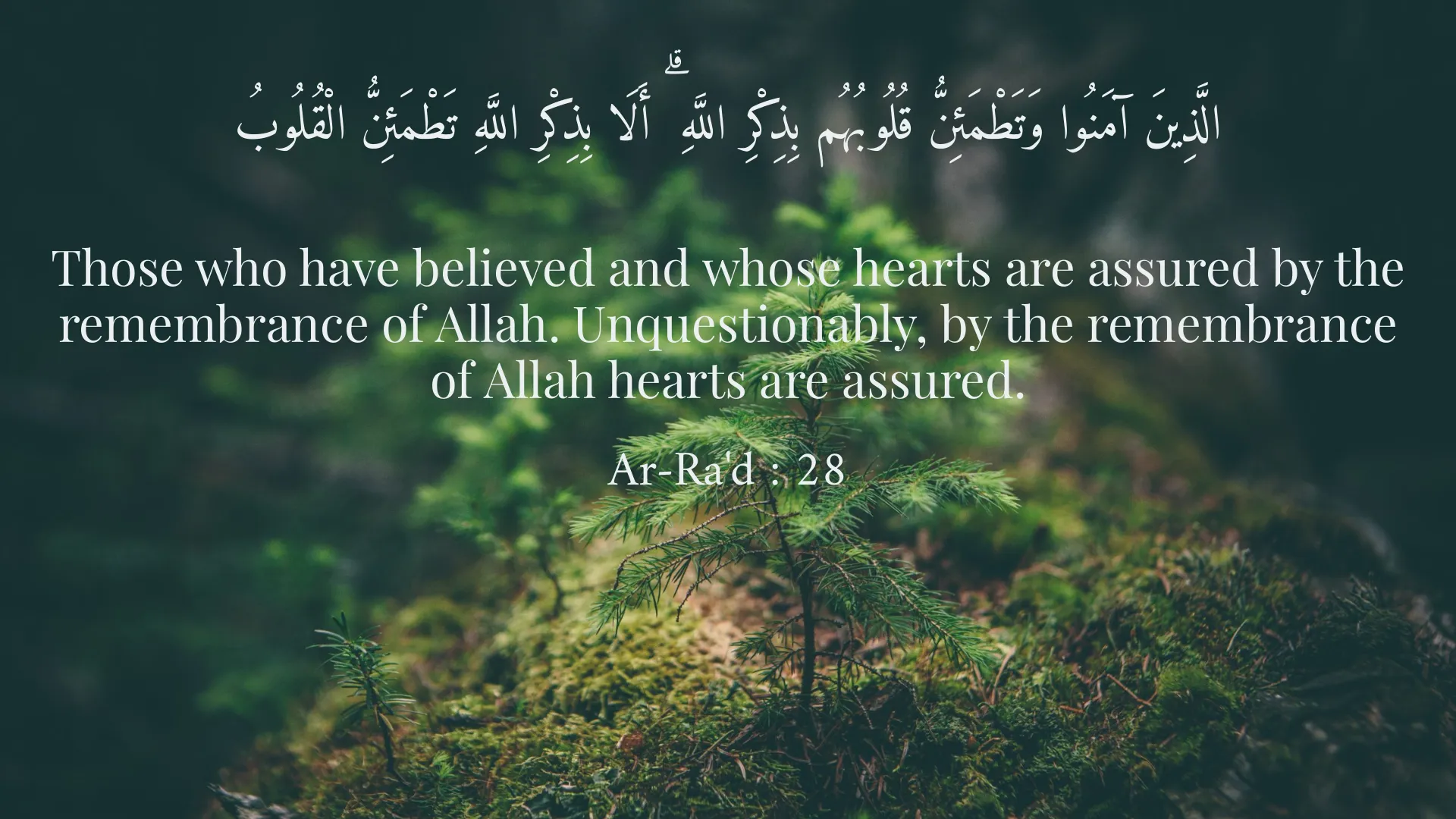
الَّذِينَ آمَنُوا وَتَطْمَئِنُّ قُلُوبُهُم بِذِكْرِ اللَّهِ ۗ أَلَا بِذِكْرِ اللَّهِ تَطْمَئِنُّ الْقُلُوبُ
Those who have believed and whose hearts are assured by the remembrance of Allah. Unquestionably, by the remembrance of Allah hearts are assured.
Ar-Ra'd : 28
مَنْ عَمِلَ صَالِحًا مِّن ذَكَرٍ أَوْ أُنثَىٰ وَهُوَ مُؤْمِنٌ فَلَنُحْيِيَنَّهُ حَيَاةً طَيِّبَةً ۖ وَلَنَجْزِيَنَّهُمْ أَجْرَهُم بِأَحْسَنِ مَا كَانُوا يَعْمَلُونَ
Whoever does righteousness, whether male or female, while he is a believer - We will surely cause him to live a good life, and We will surely give them their reward [in the Hereafter] according to the best of what they used to do.
An-Nahl : 97
وَابْتَغِ فِيمَا آتَاكَ اللَّهُ الدَّارَ الْآخِرَةَ ۖ وَلَا تَنسَ نَصِيبَكَ مِنَ الدُّنْيَا ۖ وَأَحْسِن كَمَا أَحْسَنَ اللَّهُ إِلَيْكَ ۖ وَلَا تَبْغِ الْفَسَادَ فِي الْأَرْضِ ۖ إِنَّ اللَّهَ لَا يُحِبُّ الْمُفْسِدِينَ
But seek, through that which Allah has given you, the home of the Hereafter; and [yet], do not forget your share of the world. And do good as Allah has done good to you. And desire not corruption in the land. Indeed, Allah does not like corrupters.
Al-Qasas : 77
Short Story
It is said that in ancient times, there lived a king who was immensely wealthy and powerful, yet despite all he possessed, his heart found no peace. His treasures were beyond count, and his armies innumerable, but at night, sorrow would steal sleep from his eyes. One day, he sought out a wise and venerable sage and asked, "O wise master, I possess all this wealth and power, yet I do not taste happiness. What should I do?" The sage smiled and said, "O King, happiness lies neither in treasures nor on a throne, but in a heart that finds tranquility through the remembrance of the Lord, and in a hand that is open to good deeds. Look at that dervish in the corner of the mosque, content with a piece of bread, yet he has a radiant face and a heart overflowing with the remembrance of God. Is he not happier than you, who constantly seeks more and is never content with what you have?" The king reflected on the sage's words and understood that happiness lies in contentment, devotion, and service to creation. From that day forward, instead of accumulating wealth, he devoted himself to cultivating inner peace and helping the needy, and thus he tasted the true sweetness of happiness.