Quranic Answer
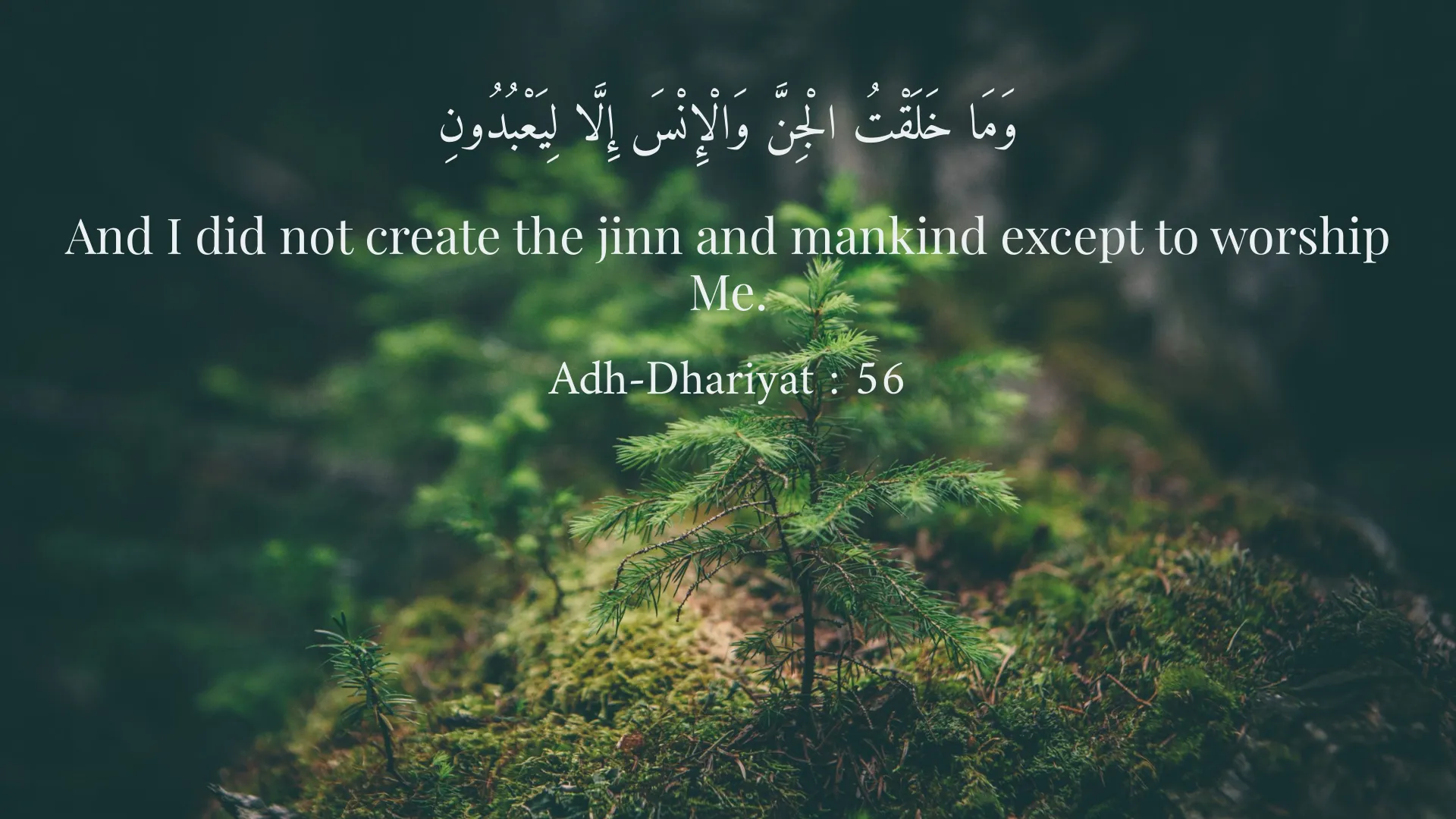
The question "Who am I?" is a perplexing inquiry that has puzzled philosophers, spiritual leaders, and individuals for centuries. This inquiry, while deeply philosophical, also touches upon existential and spiritual dimensions of human life. Many people seek to understand the essence of their identity, the purpose of their existence, and their relationship with the universe. This quest for understanding often leads to contemplation, dialogue, and exploration of religious texts and spiritual philosophies. One such profound text is the Holy Quran, which addresses the theme of human identity and purpose in various verses. In the Holy Quran, Allah emphasizes that every human being is created with a significant purpose. In Surah Adh-Dhariyat (51:56), Allah states, "And I did not create the jinn and mankind except to worship Me." This verse is pivotal as it clearly elucidates the primary purpose of human existence: to engage in worship and servitude to God. Worship in this context is not limited to ritualistic practices or traditional forms of devotion; rather, it encapsulates all actions that are performed with the intention of pleasing God. This perspective challenges individuals to view their lives as a form of worship, thereby infusing every aspect of existence with a sense of divine purpose. The verse highlights a crucial aspect of human identity; it suggests that our true identity is inseparable from our relationship with the Creator. Identifying oneself primarily as a servant of Allah allows individuals to embrace humility, gratitude, and a profound sense of interconnectedness with all of creation. This notion challenges modern materialistic views of identity, which often base self-worth on external achievements, societal status, or material possessions. Instead, the Quran invites individuals to introspect and recognize that their honor and dignity come from their commitment to worship and their moral conduct. In another reflective verse, Surah Al-Ahzab (33:70), Allah advises believers: "O you who have believed, fear Allah and speak words of appropriate justice." This verse serves as a guiding principle for ethical behavior and personal integrity. It emphasizes the importance of speaking truthfully and acting justly, implying that a person's character and actions are fundamental components of their identity. In Islamic teachings, an individual's actions are a direct reflection of their faith and relationship with God. The emphasis on truthfulness and justice further illustrates the Quran's holistic approach to identity. A true believer is not only one who worships God but also embodies values such as honesty, fairness, and compassion. Integrating these qualities into one's personality is essential for attaining a sound identity grounded in spiritual integrity. In this way, the Quran provides practical guidance on recognizing oneself in terms of moral values that align with divine teachings. Furthermore, in today's fast-paced world where individuals often grapple with feelings of disconnection and existential crises, the quest for identity has become more pronounced. Many people find themselves lost, seeking validation in transient experiences or societal expectations. The teachings found within the Quran can serve as a beacon of hope and guidance during these tumultuous times. The Quran not only addresses the fundamental question of identity but also presents a comprehensive framework that encourages individuals to find solace and meaning in their existence through their connection with Allah. Identity, as articulated in the Quran, is also about recognizing the inherent qualities bestowed upon humans by God. Each person has a unique purpose and talents that contribute to the broader tapestry of humanity. By nurturing a relationship with God, an individual can discover and hone their strengths while also being open to growth and transformation. This journey of self-discovery emphasizes the importance of engaging in acts that reflect devotion to God, fostering personal development, and contributing positively to the community. In addition, the Quran emphasizes the importance of community and collective identity. Surah Al-Hujurat (49:13) states, "O mankind, indeed, We have created you from male and female and made you peoples and tribes that you may know one another." This verse underscores the idea that individual identities are not meant to exist in isolation; rather, they are interconnected within a larger community of believers. Effective relationships and social interactions play pivotal roles in shaping one’s identity. The Quran teaches that through understanding, tolerance, and compassion towards others, individuals can cultivate a holistic sense of identity while honoring their unique roles in the intricate web of humanity. As humanity collectively searches for meaning and purpose, it is vital to return to the spiritual teachings found in the Quran. The text encapsulates the belief that understanding oneself is intrinsically tied to understanding one’s relationship with God. Engaging in self-reflection, prayer, and worship not only fulfills religious obligations but also fosters a deeper understanding of one's identity. This relationship nurtures the cultivation of virtues and values that elevate human dignity, reinforcing the idea that identity is a journey rather than a destination. In conclusion, the exploration of the question "Who am I?" is not merely an academic or philosophical endeavor; it is a spiritual journey that requires introspection, commitment, and engagement with divine teachings. The Quran serves as a vital source of knowledge and insight, providing answers to the complexities of human identity, purpose, and the essence of existence. By acknowledging our role as created beings meant to worship Allah and incorporating honesty, justice, and a sense of community into our lives, we can embark on a meaningful quest for self-discovery. Ultimately, the Quran beautifully articulates that to know ourselves is to know our Creator, and in acknowledging our divine purpose, we can uncover our true identities.
Related Verses
وَمَا خَلَقْتُ الْجِنَّ وَالْإِنْسَ إِلَّا لِيَعْبُدُونِ
And I did not create the jinn and mankind except to worship Me.
Adh-Dhariyat : 56
يَا أَيُّهَا الَّذِينَ آمَنُوا اتَّقُوا اللَّهَ وَقُولُوا قَوْلًا سَدِيدًا
O you who have believed, fear Allah and speak words of appropriate justice.
Al-Ahzab : 70
Short Story
One day, a young man named Omid went to the forest, pondering about life and his goals. He remembered the verses of the Quran and felt that he needed to find his true identity in praising and serving God. He decided to dedicate some time each day to pray and worship. Over time, Omid felt a greater sense of peace in his life and realized that his purpose was to be a human and worship God.