Quranic Answer
In Islam, acts of worship serve as a means to draw closer to Allah and receive His mercy, transforming a believer's connection with the divine into a path of personal and spiritual growth. The concept of worship in Islam transcends mere ritualistic obligations; it encompasses a profound relationship that requires sincere effort, commitment, and piety. Lengthening acts of worship—such as prayers, fasting, and remembrance (dhikr)—reflects the believer's determination to cultivate piety and foster deeper unity with Allah, which is paramount to spiritual development. The Quran is filled with guidance and instruction that urges believers to engage earnestly in worship. One of the critical reminders is found in Surah Al-Baqarah, verse 153, which states, 'O you who have believed, seek help through patience and prayer. Indeed, Allah is with the patient.' This verse encapsulates the essence of worship—it is not merely a routine obligation but a source of solace and strength during times of difficulty. By encouraging believers to find support in prayer and patience, the verse emphasizes the importance of both elements in achieving a closer relationship with Allah. The act of extending worship aids individuals in detaching themselves from worldly distractions, thereby allowing them to enter a state of reflection and remembrance. In the hustle and bustle of daily life, it is easy for one to become overwhelmed by their responsibilities and forget the underlying purpose of their existence. Lengthening worship provides an opportunity to step back, calm the mind, and redirect focus towards the divine. It is in these moments of solitude and reflection that believers can truly connect with their Creator, engaging in conversations with Allah through their prayers and supplications. Moreover, enhancing the duration of worship can significantly increase the likelihood of receiving Divine grace and blessings. Surah Al-Mu’minun, verse 60 encourages believers to engage in more worship to draw closer to God, stating, 'And those who are in their prayer humbly submissive.' This verse signifies that humility and submission in worship go hand in hand, reinforcing the idea that a sincere effort in prayer can lead to profound encounters with the divine. Further emphasizing the significance of prolonged acts of worship, Surah Al-Muzzammil, verse 20 highlights the commitment to praying longer periods, saying, 'Your Lord knows that you stand in prayer for less than two-thirds of the night.' This instruction from Allah to His beloved Prophet Muhammad (peace be upon him) serves as a timeless reminder for Muslims of the great value that exists in dedicating personal time for worship, supplication, and introspection. It encourages the practice of consistent worship, regardless of its length, and establishes a foundation for good deeds that can flourish throughout one's life. The importance of lengthened worship is not merely transactional; it is a spirited endeavor to devote more time to the Divine and cultivate a stronger bond with Allah. As worship expands, it ultimately cultivates a feeling of tranquility and closeness to Allah—an experience that transcends the material world and opens pathways towards afterlife success. This deep engagement with worship can cleanse the soul, elevate one’s spiritual state, and prepare them for the trials and tribulations of life. Furthermore, the Islamic tradition teaches that through persistent worship, individuals develop a heightened sense of consciousness about their actions and intentions. This spiritual awareness is essential in reinforcing the qualities of empathy, kindness, and compassion among fellow human beings, as believers perceive their lives within the context of serving Allah and humanity. Lengthened worship deepens the understanding that all actions, big or small, have reverberating consequences in the grand scheme of life. Sincerity in worship is a paramount attribute that distinguishes one’s relationship with Allah. Lengthening acts of worship necessitates a desire to improve spiritually, to please Allah, and to live a life reflective of Islamic values and principles. This sincerity ensures that worship is not performed for outward appearance or social acknowledgment but is a deeply personal journey toward divine acceptance. As believers delve deeper into their faith, they discover that the essence of Islam should not merely revolve around performing required acts, but rather be about fostering a profound relationship with the Creator. The effort invested in lengthening worship allows an individual to build a reservoir of spiritual energy and divine connection, crucial for navigating life's myriad challenges. Additionally, the experiences of tranquility and emotional comfort obtained through prolonged worship can serve as anchors during turbulent times, providing a profound sense of peace that is sought after in today's tumultuous world. In conclusion, the act of lengthening worship in Islam serves as a multifaceted approach toward spiritual growth and connection with Allah. It reflects sincere effort, strengthens unity with the divine, and encourages believers to embrace patience and perseverance as essential elements of their faith journey. Through the teachings of the Quran and the traditions of the Prophet Muhammad (peace be upon him), Muslims are reminded that their devotion to worship can lead to personal transformation, societal harmony, and, ultimately, the attainment of divine mercy and grace. Lengthened worship becomes more than a ritual; it transforms into a path toward enlightenment, a journey that enriches the soul and echoes through eternity.
Related Verses
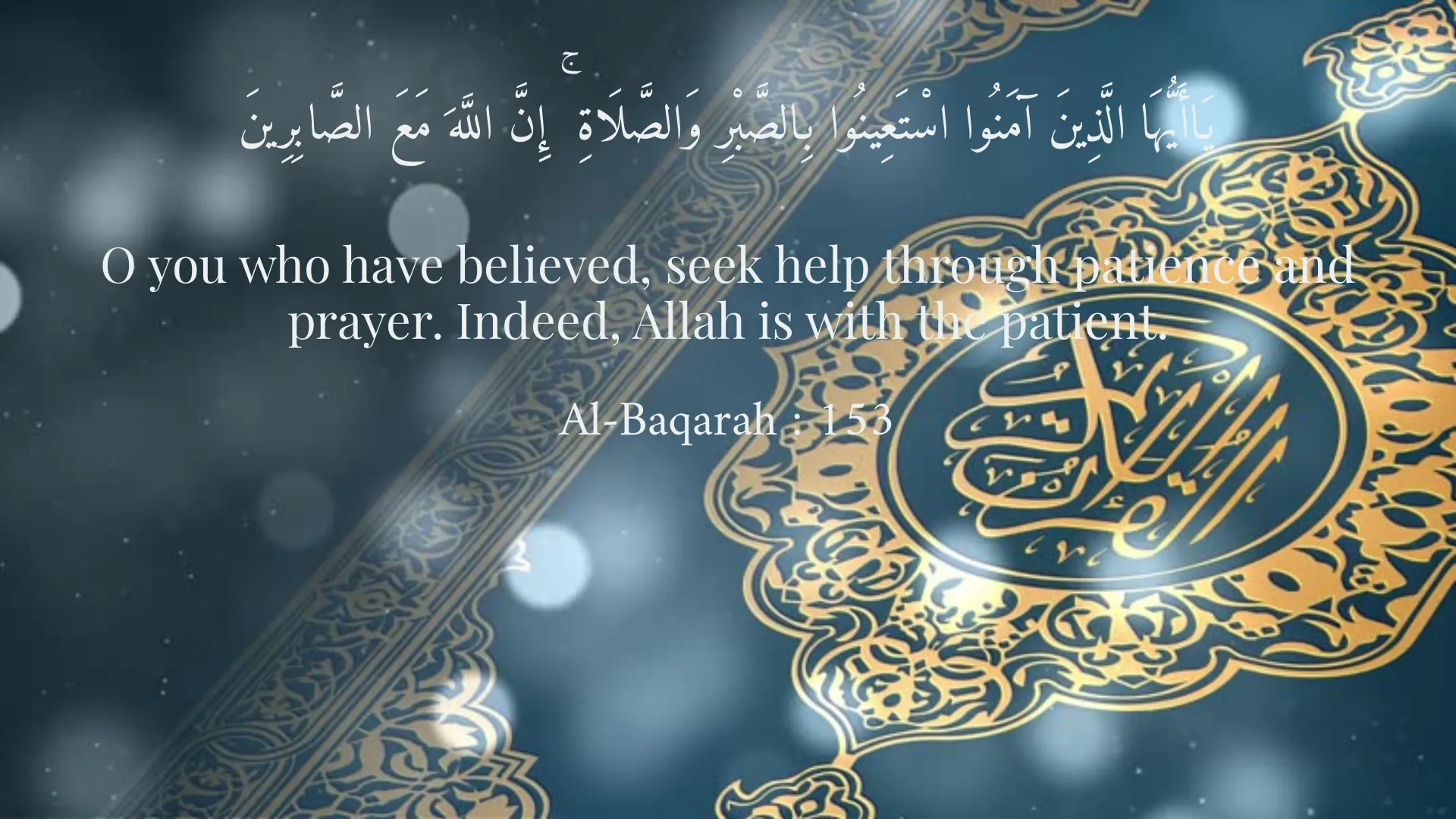
يَاأَيُّهَا الَّذِينَ آمَنُوا اسْتَعِينُوا بِالصَّبْرِ وَالصَّلَاةِ ۚ إِنَّ اللَّهَ مَعَ الصَّابِرِينَ
O you who have believed, seek help through patience and prayer. Indeed, Allah is with the patient.
Al-Baqarah : 153
وَالَّذِينَ هُمْ بِرَبِّهِمْ يُؤْمِنُونَ
And those who have faith in their Lord.
Al-Mu’minun : 60
إِنَّ رَبَّكَ يَعْلَمُ أَنَّكَ تَقُومُ أَقَلَّ مِنْ ثُلُثَيِ اللَّيْلِ
Indeed, your Lord knows that you stand for prayer for less than two-thirds of the night.
Al-Muzzammil : 20
Short Story
On a hot summer day, Ahmad remembered the recommendations of the Quran and decided to dedicate more time to prayers and remembrance of God. He realized that by lengthening his acts of worship, he felt a greater sense of peace and the world appeared brighter to him. These changes not only impacted his personal life but also helped him become a kinder and happier person in his interactions.