Quranic Answer
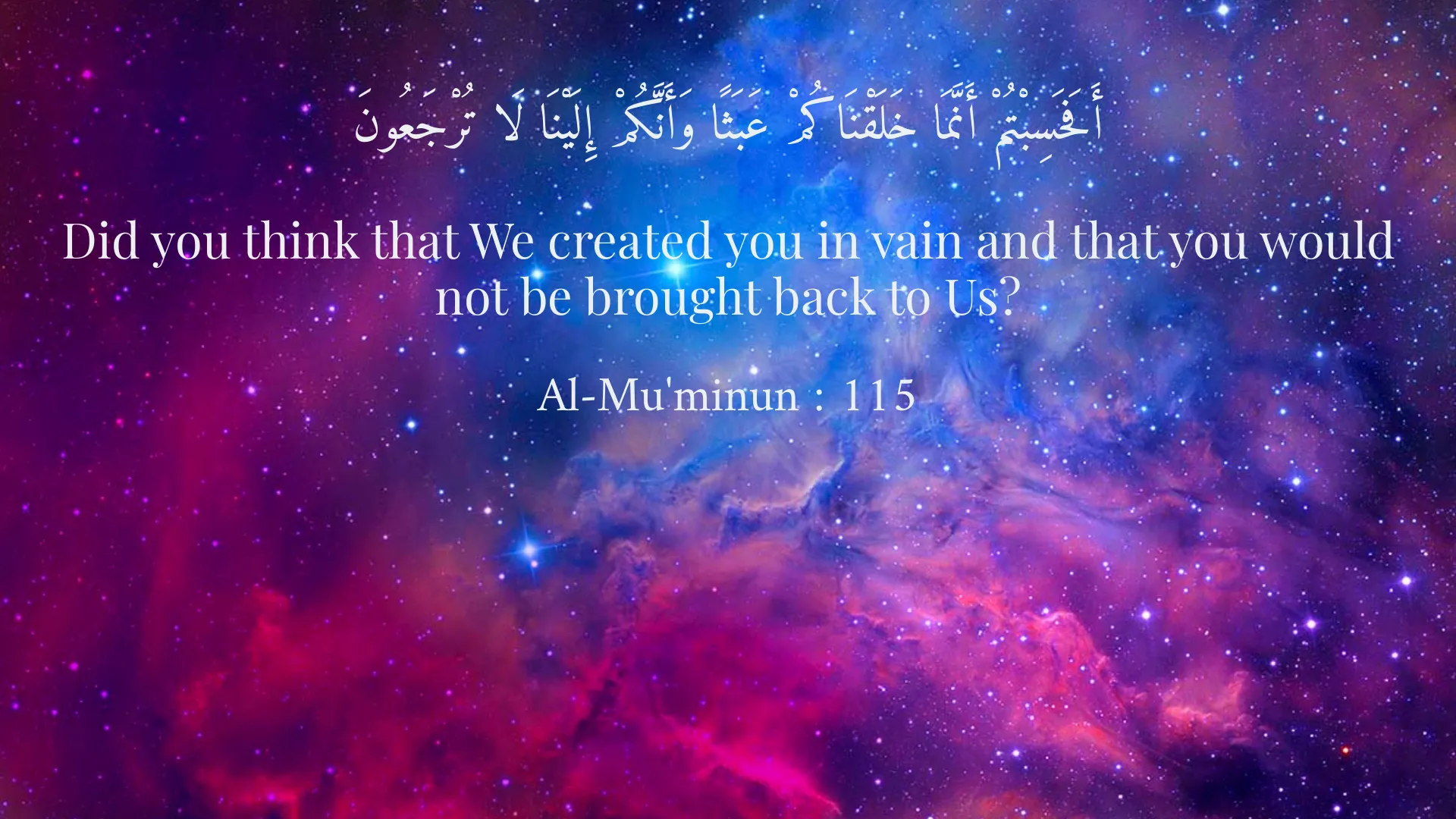
In the Holy Quran, we find a profound exploration of human behavior and the underlying reasons for spiritual negligence. A significant aspect that resonates throughout its verses is the theme of worship and the various factors that contribute to human laziness in engaging with it. Understanding these reasons is essential not only for believers but also for anyone reflecting on the spiritual dimensions of life. The Quran provides insights into these issues, illustrating how forgetfulness of our ultimate purpose, the distractions of worldly life, and the influence of malevolent forces such as Satan can lead to a decline in one’s commitment to worship. The neglect of spirituality and the ultimate purpose of life is a primary reason for the laziness some individuals exhibit in worship. In Surah Al-Mu'minun, verse 115, Allah poses a rhetorical question: "Did you think that We created you in vain and that you would not be brought back to Us?" This verse serves as a reminder that life is not mere coincidence; it has a meaningful purpose anchored in spirituality, accountability, and the eventual return to our Creator. Unfortunately, many people overlook this truth, becoming engrossed in their daily routines and material pursuits while distancing themselves from their spiritual obligations. The verse communicates the idea that life without worship is devoid of a spiritual compass and purpose, leading individuals to a state of lethargy concerning their true obligations. Moreover, the influence of Satan is another critical factor contributing to people's spiritual laziness. The Quran mentions this in Surah Al-Baqarah, verse 268, stating, "Satan promises you poverty." This particular verse encapsulates how Satan instills fear and uncertainty in the hearts of believers, seeking to steer them away from worship and charitable acts by exploiting their anxieties about financial security. By preying on human worries about sustenance and livelihood, Satan distracts people from remembering Allah and fulfilling their religious duties. The insidious nature of such distractions can often go unnoticed, leading individuals to prioritize worldly gains over their spiritual practices. Furthermore, many individuals succumb to distractions arising from worldly concerns and life's incessant busyness. In Surah Al-Jumu'ah, verse 11, the Quran describes a scene where people, upon seeing a transaction or diversion, rush toward it, neglecting their prayer. This verse powerfully illustrates the challenges faced by believers in contemporary society, where the demands of work, social obligations, and various types of entertainment vie for their attention. The busy lifestyle, filled with endless responsibilities, can cause individuals to overlook the importance of intentional worship and remembrance of Allah. Such distractions, whether they take the form of social media, consumerism, or the endless pursuit of success, can cultivate a disconnect between individuals and their spiritual practice. The Quran encourages believers to resist these distractions and remain steadfast in their worship. In Surah Al-Baqarah, verse 45, it advises, "And seek help through patience and prayer, and indeed, it is difficult except for the humbly submissive." This verse emphasizes the importance of patience and the necessity of prayer as a means of seeking solace and connection with Allah amidst life's challenges. It encourages believers to prioritize their spiritual practice, even when faced with potential distractions and hardships. One cannot overlook the role of individual piety and natural disposition in the tendency towards laziness in worship. Some people may find themselves struggling to maintain their connection to God due to improper upbringing or a lack of guidance in their spiritual journey. An individual raised in an environment that emphasizes spiritual values is more likely to engage in worship actively. Conversely, if someone grows up in a setting indifferent to religious teachings, their connection to spirituality may weaken over time. This child's formative years shape their perspective on worship and spirituality, suggesting the need for proper guidance from parents and mentors. Moreover, the Quran serves as a vital tool for individuals in recognizing their shortcomings and addressing their shortcomings in worship. Surah Al-Imran, verse 17 mentions, "Indeed, those who are patient and trust in Allah will be rewarded.” This verse reinforces the idea that even amidst struggles, maintaining faith and commitment to worship is paramount. It calls for a conscious awareness of one’s spiritual duties and the fortitude to overcome the temptations that lead to negligence. In essence, the importance of proactive engagement in spiritual pursuits cannot be overstated. It is essential for individuals not only to recognize the barriers that contribute to laziness in worship but also to actively combat these forces. Efforts should be made to foster environments that prioritize spirituality, encourage teamwork in faith-based activities, and engage in sincere discussions about the importance of worship. Recognizing the distractions that abound is the first step toward overcoming them and developing a more profound connection with Allah. Engaging in the regular practice of worship becomes a source of strength in combating laziness as it enables believers to renew their commitment to God consistently. Combating the distractions of the world requires conscious effort and community support; thus, developing a strong support system among peers can be instrumental in nurturing a culture of worship and spirituality. By encouraging one another and sharing experiences, individuals can collectively work towards fostering an environment conducive to spiritual growth. Ultimately, the teachings of the Quran provide profound and timeless guidance for addressing laziness in worship. By reflecting on the purpose of creation, remaining vigilant against distractions, relying on the strength of faith, and seeking communal support, believers can enrich their spiritual lives and strengthen their connection to Allah. The path of worship is challenging yet rewarding, and individuals must embrace the reminder that spirituality is not only a personal obligation but a communal upliftment towards a deeper understanding of life’s ultimate purpose.
Related Verses
أَفَحَسِبْتُمْ أَنَّمَا خَلَقْنَاكُمْ عَبَثًا وَأَنَّكُمْ إِلَيْنَا لَا تُرْجَعُونَ
Did you think that We created you in vain and that you would not be brought back to Us?
Al-Mu'minun : 115
الشَّيْطَانُ يَعِدُكُمُ الْفَقْرَ وَيَأْمُرُكُم بِالْفَحْشَاء
Satan promises you poverty and commands you to commit immorality.
Al-Baqarah : 268
فَإِذَا قُدِّرَ عَلَيْهِمُ الرِّزْقُ فِي الْمُتَجَارَةِ أَوْ اللَّهوِ انْفَضُّوا إِلَيْهَا
So when the prayer has been concluded, disperse within the land and seek the bounty of Allah.
Al-Jumu'ah : 11
Short Story
Once upon a time, there was a man who had no interest in worship. He was always busy with work and life, thinking he would worship when he had free time. However, days went by, and he always found excuses to neglect his worship, focusing more on earning a living. One day, a scholar visited him and asked, "Is there not an hour of your time for the remembrance of Allah?" The man realized that he had forgotten the blessings of life and was wasting his time on worldly matters. After that, he decided to dedicate an hour each day to worship, and his life transformed.