Quranic Answer
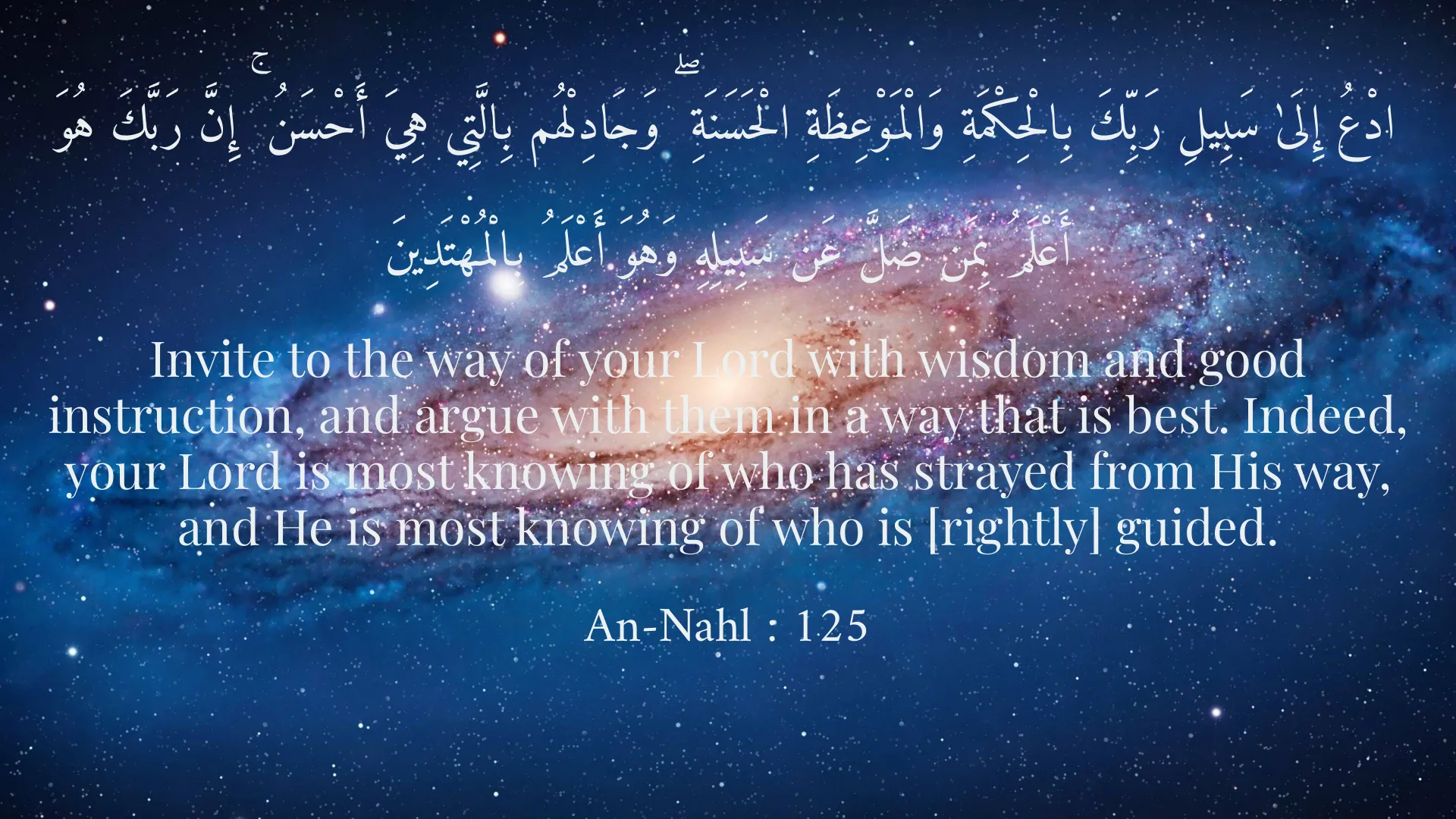
Advice, by its very nature, is a gift born out of goodwill and compassion, offered with the aim of fostering growth, correction, and guidance. From the perspective of the Holy Quran and Islamic teachings, enjoining good and forbidding evil (Amr bil Ma'ruf wa Nahy anil Munkar) is a divine and social responsibility entrusted to Muslims. However, experience shows that sometimes, even well-intentioned advice is not only rejected but can also become annoying, hurtful, or even lead to resentment. While the Quran does not directly use the term 'annoying advice,' it provides extremely precise principles and guidelines regarding the manner of speech, conduct, and the method of inviting to truth, which, if adhered to, can prevent such negative feelings from arising. The root causes of why some advice becomes annoying can be traced to several factors, primarily related to the way it is delivered, its timing, the advisor's intention, and even the emotional state of the listener, all of which are subtly addressed in Quranic teachings. The first, and perhaps most crucial, factor that makes advice annoying is the lack of 'wisdom' (Hikmah) in its delivery. Allah says in Surah An-Nahl, verse 125: "Invite to the way of your Lord with wisdom and good instruction, and argue with them in a way that is best." Wisdom means putting everything in its proper place. Wise advice is that which is given with consideration for the individual's circumstances, at the appropriate time, in the right setting, and with suitable language. Advice given without a full understanding of the person's situation, without considering their emotional state, or delivered publicly and openly, even if its content is correct, can be perceived as humiliating and annoying due to the lack of wisdom. Disregarding wisdom indicates a failure to properly understand the audience and their situation, causing the main message of the advice to be overshadowed by its critical or humiliating aspect. Second, the use of 'harsh and rough speech' instead of 'soft and kind speech' is a significant factor. The Holy Quran, even when addressing Pharaoh, the most tyrannical person of his time, commanded Moses and Aaron to speak to him with 'gentle words' (Qawlan Layyina): "Go to Pharaoh; indeed, he has transgressed. * And speak to him a gentle word; perhaps he will be reminded or fear." (Surah Taha, verses 43-44). This verse teaches us a fundamental principle in human communication: gentleness and kindness in expression, even towards the most stubborn individuals, can open hearts. Advice delivered with an arrogant, reproaching, humiliating, or sharp and hurtful tone, even if its content is truthful, wounds the listener's soul and puts them on the defensive. Humans naturally resist humiliation and harshness, closing off their hearts. This gentleness in speech is vital not only for inviting to faith but for every type of advice and guidance in daily life. Tone can be more impactful than content, and advice delivered with a harsh tone, instead of guiding, leads to alienation and aversion. Third, an 'impure intention' or a 'sense of superiority' in the advisor plays a crucial role. Although seemingly intended for good, sometimes hidden intentions such as demonstrating superiority, humiliating the other person, or merely venting inner frustrations, lie behind the advice. Such intentions, even if concealed, reveal themselves through tone, gaze, and words, and the listener perceives them. The Holy Quran places great emphasis on sincerity in actions and pure intentions. Advice given out of arrogance, self-admiration, or pretense of virtue cannot be effective; rather, it will be annoying. Humans instinctively shy away from those who see themselves as superior and look down on others. In his advice to his son, Prophet Luqman warns against arrogance and boasting, stating: "And do not turn your cheek [in contempt] toward people and do not walk through the earth exultantly. Indeed, Allah does not like every self-deluded and boastful person." (Surah Luqman, verse 18). This principle applies to both the listener and the advisor; the advisor must avoid any arrogance or self-importance while giving advice. Fourth, a 'lack of understanding and empathy' with the listener contributes to the problem. Sometimes, the advisor, without putting themselves in the other person's shoes and understanding their circumstances, views the issue from a dry, detached perspective, offering cliché solutions. This type of advice, lacking depth and empathy, is not only unhelpful but reinforces the listener's feelings of being misunderstood and alone. The Holy Quran teaches us to be compassionate towards each other and to understand one another. Prophet Muhammad (PBUH) dealt with people with kindness and compassion, and this factor drew hearts towards him. Finally, sometimes it is the 'listener's internal and emotional state' that causes any advice, even if given in the best possible manner, to appear annoying. An individual who is distressed, angry, or depressed may not be able to accept advice properly. The Holy Quran reminds us that some hearts are 'sealed' or have 'heaviness in their ears' (as in Surah Al-An'am, verse 25, which states: "And among them are those who listen to you, but We have placed over their hearts coverings, lest they understand it, and in their ears deafness"). Although these verses primarily refer to those who intentionally refuse to accept the truth, it can be inferred that the listener's spiritual and mental readiness also plays a role in receiving advice. In such cases, the advisor's duty is more about patience, prayer, and creating an environment for change rather than direct and incessant advice. Therefore, for advice to be effective and beneficial, rather than annoying, one must always adhere to these Quranic principles: using wisdom and discernment in choosing the time, place, and words; practicing gentleness and kindness in expression; having a pure intention free from arrogance; and striving to understand and empathize with the listener's emotional state. By observing these points, advice, instead of becoming a thorn, will transform into a fragrant and guiding flower.
Related Verses
ادْعُ إِلَىٰ سَبِيلِ رَبِّكَ بِالْحِكْمَةِ وَالْمَوْعِظَةِ الْحَسَنَةِ ۖ وَجَادِلْهُم بِالَّتِي هِيَ أَحْسَنُ ۚ إِنَّ رَبَّكَ هُوَ أَعْلَمُ بِمَن ضَلَّ عَن سَبِيلِهِ وَهُوَ أَعْلَمُ بِالْمُهْتَدِينَ
Invite to the way of your Lord with wisdom and good instruction, and argue with them in a way that is best. Indeed, your Lord is most knowing of who has strayed from His way, and He is most knowing of who is [rightly] guided.
An-Nahl : 125
فَقُولَا لَهُ قَوْلًا لَّيِّنًا لَّعَلَّهُ يَتَذَكَّرُ أَوْ يَخْشَىٰ
And speak to him a gentle word; perhaps he will be reminded or fear.
Taha : 44
وَلَا تُصَعِّرْ خَدَّكَ لِلنَّاسِ وَلَا تَمْشِ فِي الْأَرْضِ مَرَحًا ۖ إِنَّ اللَّهَ لَا يُحِبُّ كُلَّ مُخْتَالٍ فَخُورٍ
And do not turn your cheek [in contempt] toward people and do not walk through the earth exultantly. Indeed, Allah does not like every self-deluded and boastful person.
Luqman : 18
Short Story
It is narrated that a king consulted an astrologer to know how long he would live. The first astrologer, recklessly and without wisdom, said: 'Your life is short, and you will die soon.' The king was offended by these words and banished him. The second astrologer, out of fear and to please the king, said: 'May your life be long! You will live so long that I and many others will pass away before you.' The king was delighted and rewarded him. Saadi in Golestan says: 'Every word has its place, and every point its مقام (station/context).' This story illustrates that even truth must be expressed with wisdom and in an appropriate manner so as not to offend hearts and to be accepted. Advice, though well-intentioned, if delivered with a harsh tone or without considering the listener's state, can, instead of being a flower, become a thorn in the heart.