Quranic Answer
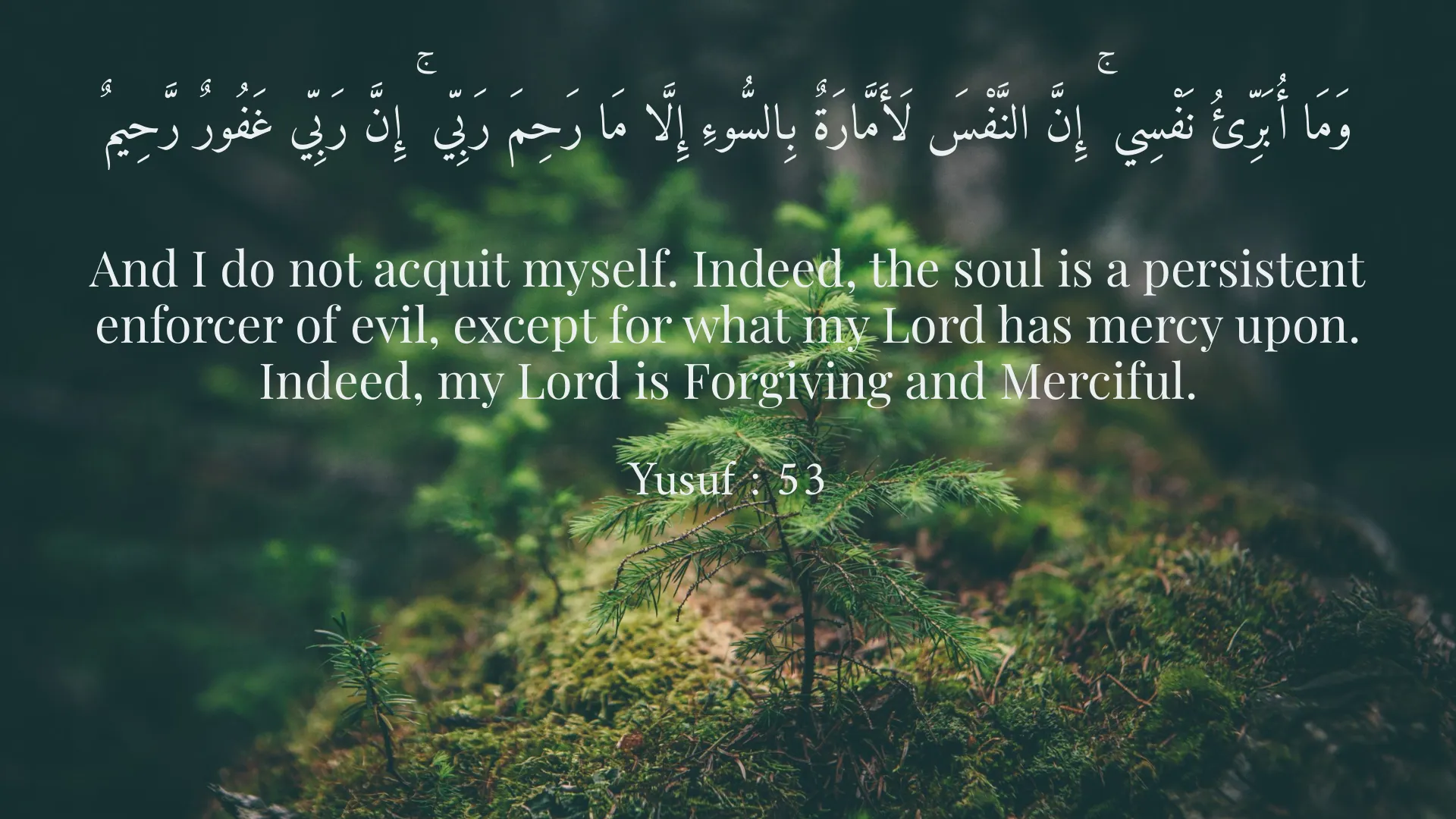
The question of why some sins appear more attractive than acts of obedience is a profound and intricate one that has perpetually occupied human thought, stemming from the very nature of humanity and the ongoing conflict between carnal desires and divine commands. The Quran comprehensively addresses this phenomenon, delving into its roots and various dimensions. To fully comprehend this, several key factors must be considered from a Quranic perspective. Firstly, and perhaps most significantly, is the role of 'Satan' (Shaytan). The Holy Quran unequivocally declares Satan to be an open enemy to humanity, whose primary objective is to mislead and divert individuals from the straight path of Allah. Satan employs various deceptive tactics, primarily 'beautifying' evil deeds (zayyana lahum a'malahum) in the eyes of humans, making them appear appealing and desirable. The Quran alludes to Satan’s cunning in numerous verses, for instance, in Surah Al-Ankabut (29:38), it states: "And Satan made their deeds attractive to them and averted them from the [right] way, though they were perceptive." This beautification ensures that sin, at first glance, seems enticing, pleasurable, and even logical, whereas acts of obedience might demand patience, effort, and self-sacrifice. Satan exploits innate human desires, pushing them towards excess and transgression, offering false promises and illusory hopes that engaging in sin will lead to immediate happiness or comfort. Secondly, the 'nature of the human soul' (Nafs) plays a crucial role. The Quran describes the human soul as possessing tendencies towards both good and evil, often inclining towards whims and desires. The 'Nafs al-Ammara bis-Su'' (the soul that commands to evil) is that aspect of human existence which gravitates towards fleeting pleasures and material desires. These desires encompass lust, anger, greed, and arrogance, which are not inherently bad but become so when they exceed moderation and are not governed by intellect and divine guidance. In Surah Yusuf (12:53), Allah states: "And I do not acquit myself. Indeed, the soul is a persistent enforcer of evil, except for what my Lord has mercy upon. Indeed, my Lord is Forgiving and Merciful." This verse clearly indicates that the inclination towards wrongdoing and ephemeral pleasures is rooted in the human soul, and if not controlled by divine guidance and self-discipline, it can lead to sin. Sins often appear as a quicker and less troublesome route to gratifying these carnal desires, while acts of obedience frequently demand perseverance, continuous effort, and sacrifice, which may seem less appealing in the short term. Thirdly, the 'deceptive nature of worldly life' (Dunya) is a significant factor. The Quran describes worldly life as transient and its possessions as meager. Worldly adornments, such as wealth, children, status, and fame, are not inherently evil. However, if they become the ultimate goal and distract humanity from the remembrance of Allah and the Hereafter, they transform into means for committing sin. In Surah Aal-Imran (3:14), Allah says: "Beautified for people is the love of desires, from women and sons, heaped-up sums of gold and silver, fine branded horses, and cattle and tillable land. That is the enjoyment of worldly life, but Allah has with Him the best return." This beautification and adornment are a form of divine test and deception. Sins often present themselves with the promise of quick attainment of these worldly embellishments (such as illicit wealth, unlawful pleasures, usurped power) and thus gain attraction for those who do not ponder deeply on matters and disregard the consequences in the afterlife. Obedience, conversely, often carries a delayed, otherworldly reward, which might lack immediate appeal from a short-sighted worldly perspective. Fourthly, 'weakness of faith and heedlessness of the Hereafter' contribute to this allure. When a person's faith weakens and the remembrance of death, the Day of Judgment, divine accountability, and the concepts of Heaven and Hell fade from their heart, a veil of heedlessness descends upon their vision. In this state, individuals perceive only momentary pleasures and material gains, paying no heed to the consequences of sin. Quranic verses repeatedly emphasize the importance of remembering the Hereafter and accounting for one's deeds to strengthen resilience against temptations and the allure of sin. When an individual forgets that every action has consequences and that this world is merely a fleeting passage, it is natural for them to gravitate towards the immediate gratifications of sin. Ultimately, the 'attractiveness of sin is a divine test.' Allah has placed humanity in a world where truth and falsehood, good and evil, obedience and disobedience are intertwined. It is up to human beings to choose the right path through their free will. Allah has also provided the necessary tools to resist the allure of sin: intellect, conscience, sending prophets, revealing divine scriptures, and unseen divine assistance. Therefore, while sins may appear outwardly attractive and sweet, this allure is deceptive and temporary, leading to nothing but regret and torment. Conversely, obedience and devotion to Allah, though they may seem challenging initially, yield fruits of spiritual tranquility, divine pleasure, and eternal bliss.
Related Verses
وَمَا أُبَرِّئُ نَفْسِي ۚ إِنَّ النَّفْسَ لَأَمَّارَةٌ بِالسُّوءِ إِلَّا مَا رَحِمَ رَبِّي ۚ إِنَّ رَبِّي غَفُورٌ رَّحِيمٌ
And I do not acquit myself. Indeed, the soul is a persistent enforcer of evil, except for what my Lord has mercy upon. Indeed, my Lord is Forgiving and Merciful.
Yusuf : 53
وَاللَّهُ يُرِيدُ أَن يَتُوبَ عَلَيْكُمْ وَيُرِيدُ الَّذِينَ يَتَّبِعُونَ الشَّهَوَاتِ أَن تَمِيلُوا مَيْلًا عَظِيمًا
Allah wants to accept your repentance, but those who follow [their] passions want you to deviate [completely, wildly].
An-Nisa : 27
يَا بَنِي آدَمَ لَا يَفْتِنَنَّكُمُ الشَّيْطَانُ كَمَا أَخْرَجَ أَبَوَيْكُم مِّنَ الْجَنَّةِ يَنزِعُ عَنْهُمَا لِبَاسَهُمَا لِيُرِيَهُمَا سَوْآتِهِمَا ۗ إِنَّهُ يَرَاكُمْ هُوَ وَقَبِيلُهُ مِنْ حَيْثُ لَا تَرَوْنَهُمْ ۗ إِنَّا جَعَلْنَا الشَّيَاطِينَ أَوْلِيَاءَ لِلَّذِينَ لَا يُؤْمِنُونَ
O children of Adam, let not Satan tempt you as he removed your parents from Paradise, stripping them of their clothing to show them their private parts. Indeed, he and his tribe see you from where you do not see them. Indeed, We have made the devils allies of those who do not believe.
Al-A'raf : 27
Short Story
It is narrated that in a certain city, there was a youth who was fond of ease and immediate pleasures, always choosing the path of least resistance. A wise elder in that city would advise him, saying: “My son, the path of virtue may at first seem steep and arduous, but its end is a garden of lasting joy. The path of indulgence, though paved with soft grass and sweet smells, often leads to a thorny wasteland of regret.” The youth, captivated by fleeting sweetness, constantly chose the easy path. One day, he found a bush of wild berries that looked luscious and promised immediate delight. Disregarding the elder’s previous warnings about unknown fruits, he ate them greedily. Soon after, he fell ill with bitter pain. He then remembered the elder’s words and understood that initial allure often concealed a harsh reality, and that true good might require effort, but its fruits are wholesome and enduring, unlike the deceptive charm of instant gratification which often brings sorrow.