Quranic Answer
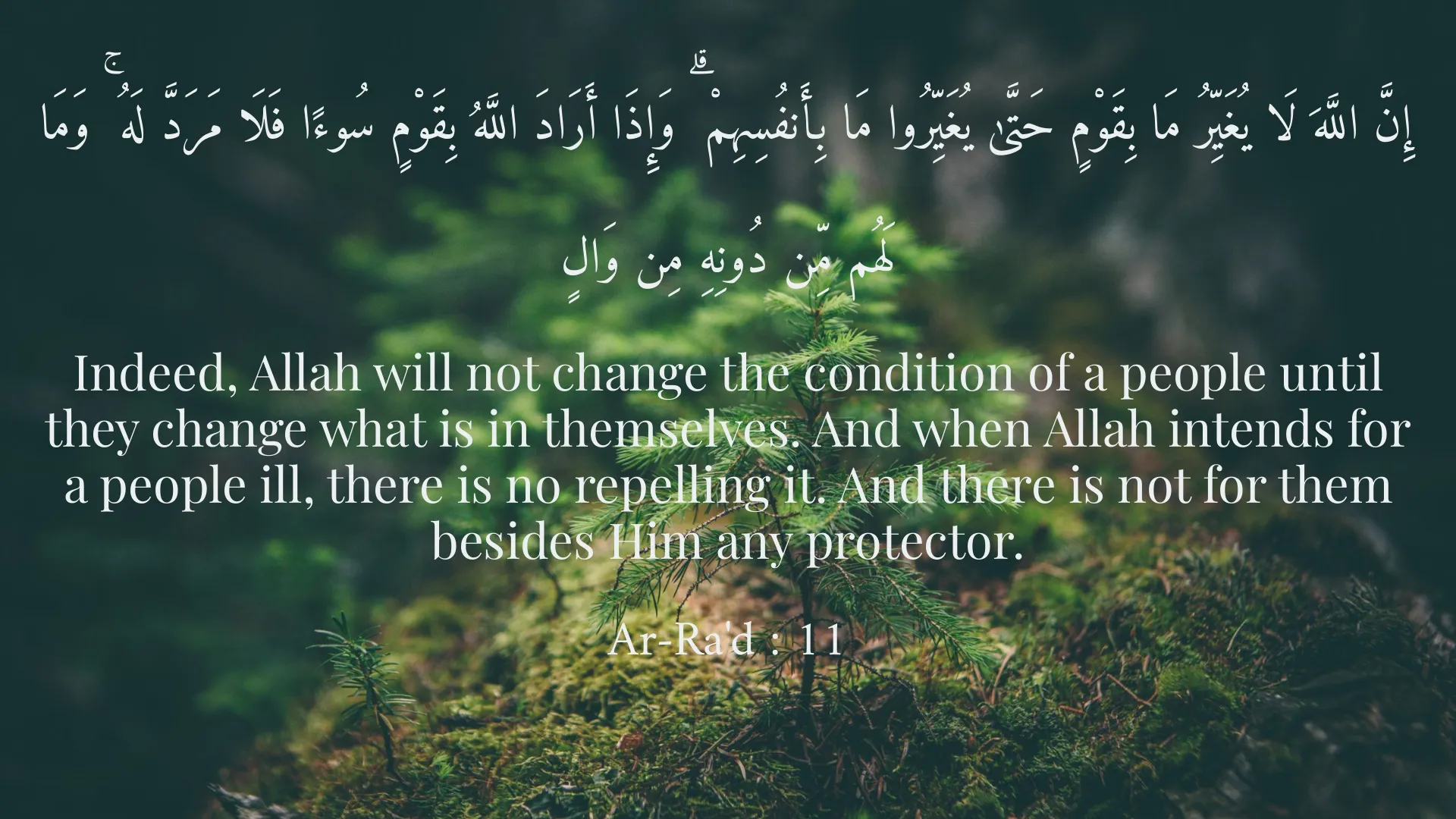
Human beings are inherently and instinctively always seeking perfection, progress, and a brighter future. This desire for a better future has deep roots in human nature, instilled in us by the One Creator. From the perspective of the Holy Quran, this characteristic is not only commendable but is also affirmed as a driving force for growth, excellence, and the fulfillment of divine purposes in life. This inner inclination has various dimensions, pertaining to both worldly prosperity and eternal salvation.The Holy Quran views worldly life as a stage for trial and endeavor. In this perspective, humans are dynamic beings created to achieve elevated goals and should never halt their journey of movement and progress. Allah, in numerous verses, emphasizes the importance of effort, good deeds, and hope for the future. This endeavor not only includes earning a lawful livelihood and improving material living conditions but also encompasses spiritual and ethical dimensions. For instance, in Surah Ar-Ra'd, verse 11, Allah says: "Indeed, Allah will not change the condition of a people until they change what is in themselves." This verse clearly states that external change and improvement are contingent upon the internal change and effort of individuals. This internal change is the driving engine that propels us towards a better future and indicates that we are responsible for shaping our own tomorrows.This yearning for a better future is not merely confined to material life and worldly comfort; rather, deep within the human being lies the hope for eternal bliss and meeting with the Lord. In fact, the best future a believer can hope for is the satisfaction of Allah and everlasting Paradise. In Surah Al-Qasas, verse 77, Allah teaches us: "But seek, through that which Allah has given you, the home of the Hereafter; and [yet], do not forget your share of the world." This verse strikes a beautiful balance between striving for the Hereafter and enjoying a legitimate share of this world. This means we should strive to build a good life in this world, but never forget the ultimate goal, which is the abode of the Hereafter. This world is a means to achieve that greater end. Thus, every step we take to improve our situation, our family, and our society should be in alignment with that ultimate objective.The desire for perfection and progress is also intertwined with the concept of hope (rajā’) in the Quran. Despair from the mercy of Allah is severely condemned in the Quran. Allah has repeatedly promised His servants aid, grace, and relief in His words. These promises are a strong reason to maintain hope and continue striving in all circumstances. In Surah Ash-Sharh, verses 5 and 6, Allah says: "For indeed, with hardship [will be] ease. Indeed, with hardship [will be] ease." These comforting verses assure humanity that ease will follow every difficulty, and this itself is the greatest encouragement to continue moving towards a better and brighter future.Therefore, seeking a better future is not only a human need but also a divine command that invites us to greater effort, patience, reliance on Allah, and righteous deeds. This spirit enables us to withstand challenges and always look towards brighter horizons, knowing that every effort, if made with pure intention and in the path of truth, will have its reward, both in this world and in the Hereafter. Thus, a believing human being is always building a future that brings both the satisfaction of God and true peace and happiness. This constant pursuit of betterment is not out of greed, but out of divine nature and the purposeful creation that calls humanity towards ultimate perfection and beauty. This endless journey towards betterment is a manifestation of Allah's Names and Attributes within humanity, propelling them towards their final destination.
Related Verses
إِنَّ اللَّهَ لَا يُغَيِّرُ مَا بِقَوْمٍ حَتَّىٰ يُغَيِّرُوا مَا بِأَنفُسِهِمْ ۗ وَإِذَا أَرَادَ اللَّهُ بِقَوْمٍ سُوءًا فَلَا مَرَدَّ لَهُ ۚ وَمَا لَهُم مِّن دُونِهِ مِن وَالٍ
Indeed, Allah will not change the condition of a people until they change what is in themselves. And when Allah intends for a people ill, there is no repelling it. And there is not for them besides Him any protector.
Ar-Ra'd : 11
وَابْتَغِ فِيمَا آتَاكَ اللَّهُ الدَّارَ الْآخِرَةَ ۖ وَلَا تَنسَ نَصِيبَكَ مِنَ الدُّنْيَا ۖ وَأَحْسِن كَمَا أَحْسَنَ اللَّهُ إِلَيْكَ ۖ وَلَا تَبْغِ الْفَسَادَ فِي الْأَرْضِ ۖ إِنَّ اللَّهَ لَا يُحِبُّ الْمُفْسِدِينَ
But seek, through that which Allah has given you, the home of the Hereafter; and [yet], do not forget your share of the world. And do good as Allah has done good to you. And desire not corruption in the land. Indeed, Allah does not like corrupters.
Al-Qasas : 77
فَإِنَّ مَعَ الْعُسْرِ يُسْرًا
For indeed, with hardship [will be] ease.
Ash-Sharh : 5
إِنَّ مَعَ الْعُسْرِ يُسْرًا
Indeed, with hardship [will be] ease.
Ash-Sharh : 6
Short Story
It is narrated that a peasant man planted a wheat grain in the soil. His neighbor, surprised, asked, "Why do you hope for growth in this cold winter?" The peasant, with a kind smile, replied, "Every seed that rests in the heart of the earth will eventually sprout, hoping for the sunlight and the mercy of rain. If I endure hardship today and plough the land, I have hope for a better tomorrow when wheat stalks will emerge and my table will be blessed. It is this hope that plants the seed of effort in the heart." The neighbor took heed of the peasant's wise words and understood that life always depends on hope and striving for a brighter future, even if we are currently amidst difficulties. By doing so, the peasant not only brought prosperity to his worldly life but, with reliance on God, had faith in His mercy and grace in the future.