Quranic Answer
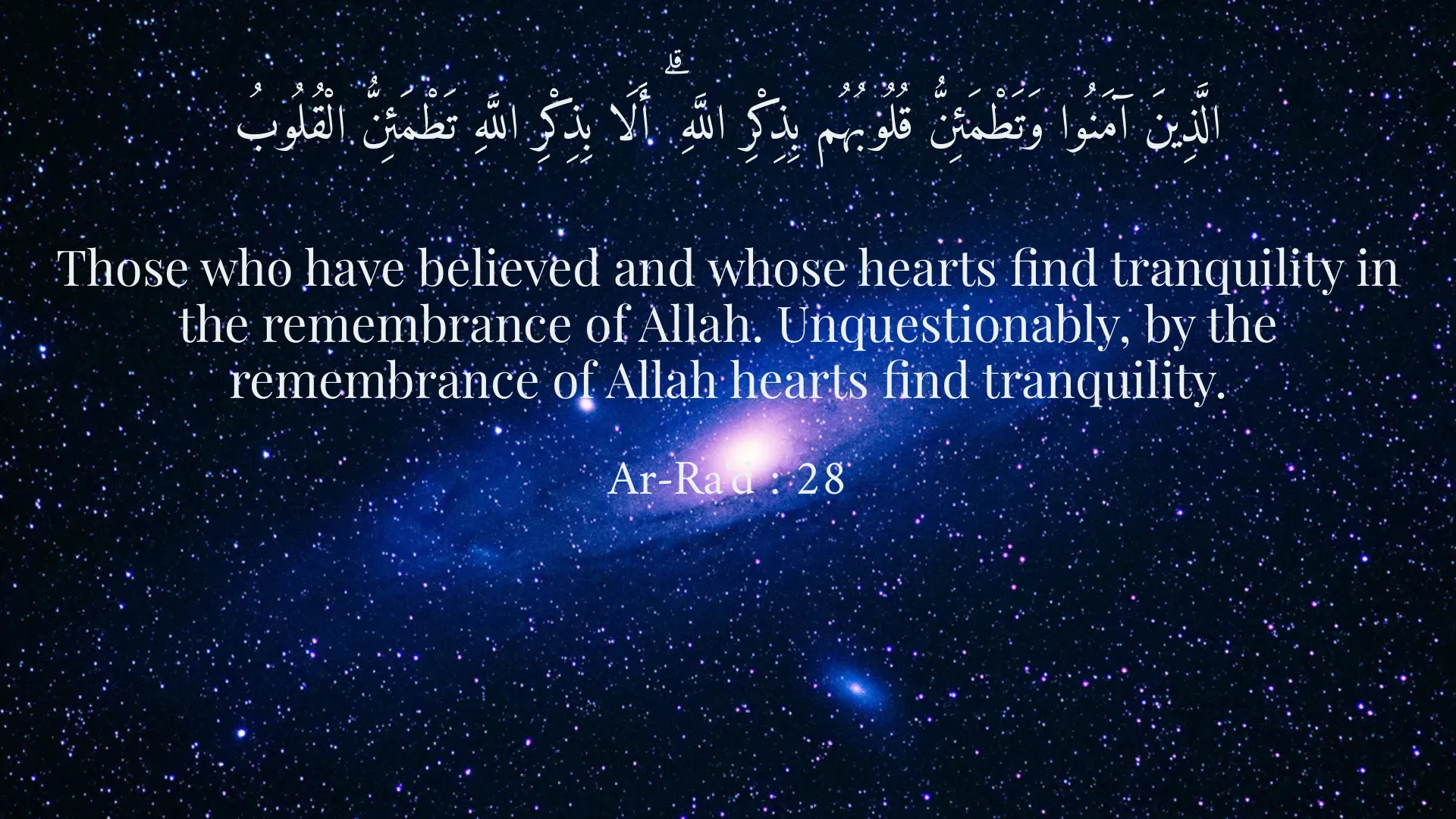
Inner peace is a profound state of tranquility that many people seek in today's tumultuous world. This sense of calm and serenity is not just a desirable psychological state; in the teachings of the Holy Quran, it is a sign of a deep connection with the Creator of the universe and a key to a fulfilling and blessed life. Your question about why you cannot maintain inner peace is a fundamental and vital one, and its answer can be found in the luminous verses of the Quran. The Quran clearly explains the reasons for human restlessness and provides comprehensive and profound solutions for attaining and preserving true peace. One of the most central reasons for the inability to maintain inner peace, from the Quranic perspective, is 'negligence of the remembrance of God.' The Holy Quran explicitly states in Surah Ar-Ra'd, verse 28: "Those who have believed and whose hearts find tranquility in the remembrance of Allah. Unquestionably, by the remembrance of Allah hearts find tranquility." This noble verse identifies the remembrance of Allah as the primary means to achieve inner peace. When a person becomes heedless of God, their heart becomes empty of meaning and purpose, becoming excessively attached to the transient and unstable material world. This excessive attachment to worldly possessions and affairs is itself a major source of anxiety and restlessness. The fear of losing what we possess, the greed for what we do not have, and constant comparison with others all stem from neglecting the truth of existence and a lack of proper understanding of the world's nature. The Quran repeatedly warns believers that this world is a fleeting provision, and becoming overly attached to it brings nothing but regret and anxiety. Another significant factor in losing peace is 'a lack of true reliance upon God' (Tawakkul). Many of our worries about the future, sustenance, illnesses, and problems arise from an incomplete trust in God's power and wisdom. Despite continuous efforts, if a person cannot entrust the outcome to God and rely on His wisdom, they will constantly be caught in the grip of anxiety. In Surah At-Talaq, verse 3, Allah says: "And whoever relies upon Allah - He is sufficient for him." Reliance on God does not mean abandoning effort; rather, it means fulfilling one's duties and making the necessary efforts, and then, with a confident heart, entrusting the outcome to divine planning. This type of reliance lifts the heavy burden of worries from a person's shoulders and gives them a sense of infinite security and support. When a person knows that a power greater and more merciful than any other power is their supporter, there is no room left for anxiety. Thirdly, 'a lack of patience and steadfastness in the face of calamities and hardships' is a contributing factor. Worldly life is always accompanied by challenges, trials, and difficulties. The Holy Quran states in Surah Al-Baqarah, verse 153: "O you who have believed, seek help through patience and prayer. Indeed, Allah is with the patient." Impatience and excessive distress in the face of problems not only fail to provide solutions but also deprive a person of their spiritual and mental peace. Patience, in essence, is a resilience that enables a person to endure hardships and look at the hidden wisdom behind them with deeper insight. Prayer, as a strong spiritual pillar, provides a direct connection between humans and God, serving as a vast source of energy and tranquility. 'Committing sins and the impurity of the heart' are also significant factors in undermining inner peace. Every sin, no matter how small, creates a veil between a person and their Creator and adds weight to the soul. Feelings of guilt, regret, and the failure to repent impose a heavy psychological burden that prevents the attainment of true peace. The Quran repeatedly advises repentance and seeking forgiveness so that a person, by purifying their heart, can pave the way back to tranquility. A heart stained with sin is constantly in turmoil and distress, whereas a heart polished by repentance and remembrance becomes like a radiant mirror, ready to receive divine peace. 'Lacking a sublime purpose and meaning in life' can also be a major cause of inner restlessness. When life is reduced merely to eating, sleeping, and accumulating material possessions, a person feels emptiness and meaninglessness. The Holy Quran defines the purpose of human creation as servitude and obedience to God, which is itself a path towards perfection and gives meaning to life. One who has a high divine purpose in their life enjoys profound peace even in the most difficult circumstances, knowing that they are moving on a path that leads to their Creator's satisfaction, and every hardship on this path is itself a reward. To maintain inner peace, the Quran offers practical and comprehensive solutions: * Constant Remembrance of Allah (Dhikr): As mentioned, this is the main pillar. Dhikr is not just verbal repetition, but includes contemplating divine signs, reciting the Quran, performing prayers with full presence of heart, supplication (du'a), seeking forgiveness (istighfar), and continuous gratitude. Every moment of God's presence in one's life shines a light of peace upon the heart. * True Reliance on Allah (Tawakkul): After fulfilling your responsibilities, rely fully on God with complete certainty. Know that He is the best Guardian and Sufficer, and nothing happens without His permission and wisdom. This reliance eliminates anxiety about an unknown future. * Patience and Steadfastness in Adversity: Accept that problems are part of life and that with patience and reliance on God, you can overcome them. Every difficulty is an opportunity for growth and closeness to God. Prayer also serves as a refuge for finding peace amidst storms. * Recitation and Contemplation of the Holy Quran: The word of God is a healing for hearts and a guide for the path. By reciting and understanding the meanings of the verses, the heart and soul are nourished and find peace. * Continuous Repentance and Seeking Forgiveness: Purifying the soul from sins and acknowledging shortcomings brings unparalleled lightness and peace, strengthening the connection with God. * Performing Good Deeds and Serving Humanity: Helping others, acting justly, showing kindness, and every good deed that seeks God's pleasure not only benefits society but also provides the individual with a deep sense of satisfaction and inner peace. Verse 97 of Surah An-Nahl states: "Whoever does righteousness, whether male or female, while he is a believer - We will surely cause him to live a good life." A good life is one accompanied by inner peace and contentment. * Contentment and Lack of Excessive Attachment to the World: Understanding that true happiness is not in accumulating material possessions, but in inner peace and satisfaction of the heart. This perspective frees a person from greed and anxiety. Ultimately, inner peace is a divine gift that is attained and preserved by following the Quranic instructions, focusing on spirituality, and establishing a deep and sincere connection with Allah. This peace is a strong pillar that keeps a person steadfast against the storms of life and guides them towards a fruitful and meaningful existence. If you feel you have lost your peace, remember that the Quran is your guide, and by returning to its principles, you can find this precious gem in your heart again and keep it forever.
Related Verses
الَّذِينَ آمَنُوا وَتَطْمَئِنُّ قُلُوبُهُم بِذِكْرِ اللَّهِ ۗ أَلَا بِذِكْرِ اللَّهِ تَطْمَئِنُّ الْقُلُوبُ
Those who have believed and whose hearts find tranquility in the remembrance of Allah. Unquestionably, by the remembrance of Allah hearts find tranquility.
Ar-Ra'd : 28
وَمَن يَتَوَكَّلْ عَلَى اللَّهِ فَهُوَ حَسْبُهُ ۚ إِنَّ اللَّهَ بَالِغُ أَمْرِهِ ۚ قَدْ جَعَلَ اللَّهُ لِكُلِّ شَيْءٍ قَدْرًا
And whoever relies upon Allah - then He is sufficient for him. Indeed, Allah will accomplish His purpose. Allah has already set for everything a [decreed] extent.
At-Talaq : 3
يَا أَيُّهَا الَّذِينَ آمَنُوا اسْتَعِينُوا بِالصَّبْرِ وَالصَّلَاةِ ۚ إِنَّ اللَّهَ مَعَ الصَّابِرِينَ
O you who have believed, seek help through patience and prayer. Indeed, Allah is with the patient.
Al-Baqarah : 153
مَنْ عَمِلَ صَالِحًا مِّن ذَكَرٍ أَوْ أُنثَى وَهُوَ مُؤْمِنٌ فَلَنُحْيِيَنَّهُ حَيَاةً طَيِّبَةً ۖ وَلَنَجْزِيَنَّهُمْ أَجْرَهُم بِأَحْسَنِ مَا كَانُوا يَعْمَلُونَ
Whoever does righteousness, whether male or female, while he is a believer - We will surely cause him to live a good life, and We will surely give them their reward [in the Hereafter] according to the best of what they used to do.
An-Nahl : 97
Short Story
One day, a dervish in his patched cloak, his heart full of contentment, lay sleeping peacefully in the shade of a wall, oblivious to the world's worries. A king, passing by with his retinue, looked upon him with disdain, saying, 'What a life of poverty!' The dervish, awakened by the noise, replied with a gentle smile, 'O King, my sleep, free from the heavy burden of governance and the fear of enemies, is sweeter than your restless waking hours, which are filled with anxiety over your throne. The peace I find in my simple existence is a treasure you search for in vain within your palaces.' This tale from Saadi teaches us that true inner peace lies not in abundant possessions, but in the heart's contentment and liberation from worldly attachments.