Quranic Answer
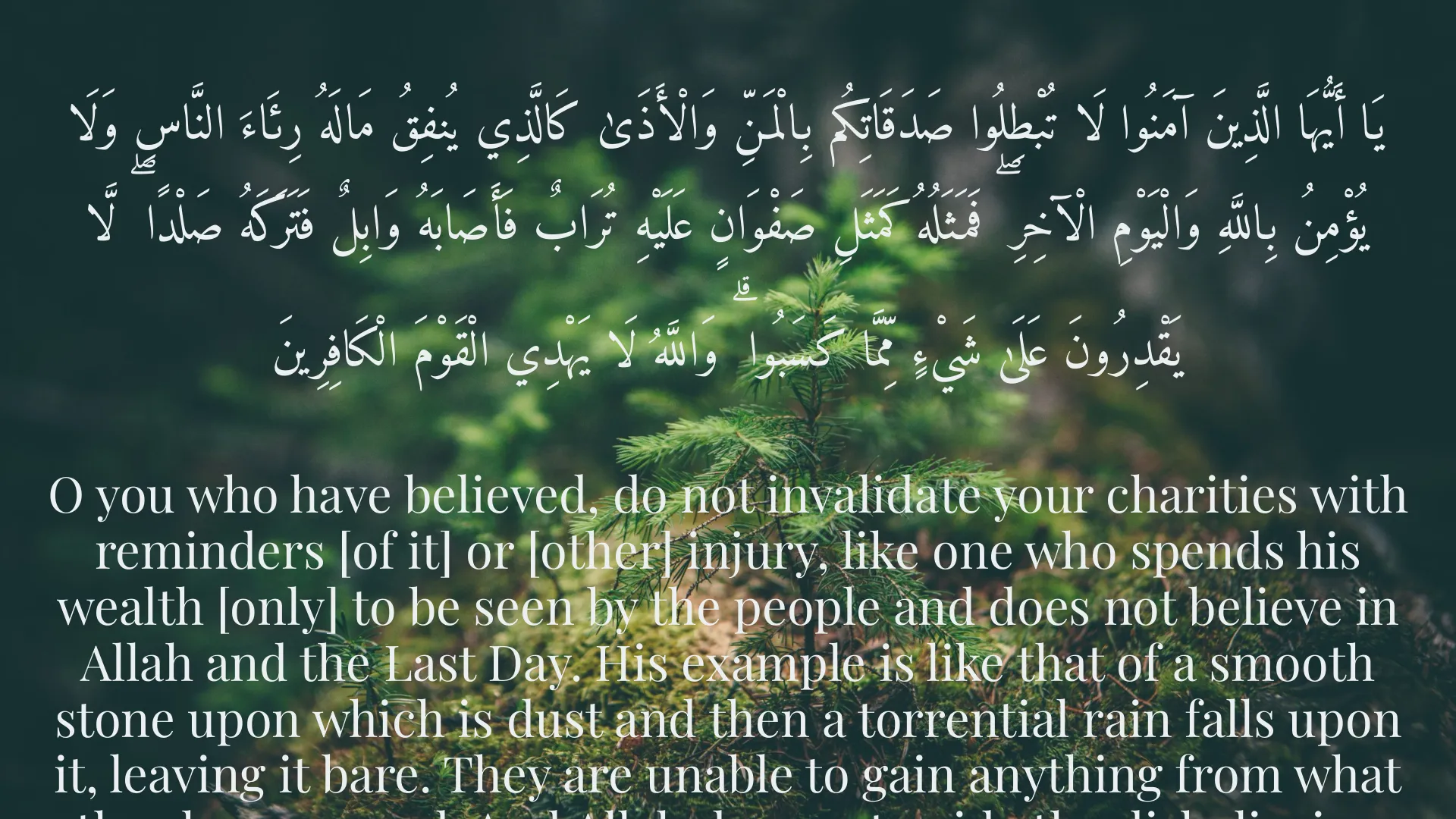
The feeling of arrogance and pride after performing a good deed, especially helping others, is one of the deep and subtle challenges that many individuals face. This question not only demonstrates the questioner's inner honesty but also points to one of the most significant obstacles to spiritual growth and purity of intention from the perspective of the Holy Quran. The Quran, with its profound insight, identifies this phenomenon as a blight upon righteous deeds and offers solutions to combat it. This feeling of arrogance is, in fact, a sign of the infiltration of the commanding self (Nafs al-Ammara) and satanic whispers that seek to nullify the spiritual rewards of good deeds and divert individuals from the path of sincere servitude to God. From the Quranic perspective, every good deed performed by a human being is, at its beginning and end, a grace and a gift from Almighty God. We, by ourselves, possess neither the power to do good nor the wealth to give charity without His permission and will. In reality, God has made us instruments for conveying good to His servants, and this in itself is a cause for immense gratitude and thanks, not for pride and self-admiration. When a person becomes arrogant after helping others, they are essentially ignoring the fundamental truth that everything they possess and every success they achieve comes from the Lord. This mistaken outlook causes them to attribute their actions to themselves and deviates them from the primary goal of seeking divine pleasure. The Holy Quran repeatedly emphasizes that all power and capabilities belong to God, and humans are merely instruments. In Surah Al-Baqarah, verse 264, God explicitly states: "O you who have believed, do not invalidate your charities with reminders [of it] or [other] injury, like one who spends his wealth [only] to be seen by the people and does not believe in Allah and the Last Day. His example is like that of a smooth stone upon which is dust and then a torrential rain falls upon it, leaving it bare. They are unable to gain anything from what they have earned. And Allah does not guide the disbelieving people." This verse clearly indicates that reminding people of one's charity (a form of practical arrogance) and showing off (Riya) render good deeds void and worthless. The root cause of arrogance lies in self-admiration (Ujb) and haughtiness (Kibr), which are considered spiritual diseases of the heart. The Holy Quran has repeatedly warned humanity against arrogance, as it was the characteristic of Iblis that led to his expulsion from the divine presence. In Surah Luqman, verse 18, we read: "And do not turn your cheek [in contempt] toward people and do not walk through the earth exultantly. Indeed, Allah does not like every self-deluded and boastful person." This verse directly prohibits self-admiration and boasting, which inherently form the root of arrogance after helping others. When someone offers help and subsequently feels pride, it means they have forgotten that everything originates from God and that they were merely an instrument. In essence, this arrogance is a form of disregarding divine power and will, and placing oneself in the primary position. To overcome this feeling, it is necessary to consistently purify our intentions and perform our actions solely for the pleasure of God. This sincerity of intention (Ikhlas) is the essence of all acts of worship and righteous deeds. Whenever we intend to help someone, we must remember that we are only a means of conveying divine mercy, and this opportunity to serve is itself a great blessing from God. Therefore, instead of feeling pride, we should feel gratitude to the Divine for deeming us worthy of this service. Furthermore, we should ask ourselves: if someone else had performed this act instead of us, would the help still have been rendered? Undoubtedly yes, because God is the Sustainer and the Provider of needs, and if we are not the instrument, another will be. Another approach is to conceal good deeds as much as possible. Although open charity is permissible and even recommended in some cases (to encourage others), hidden charity ensures greater sincerity and minimizes opportunities for pride and showing off. Surah Al-Baqarah, verse 271, addresses this: "If you disclose your charitable expenditures, it is good; but if you conceal them and give them to the poor, it is better for you, and He will remove from you some of your misdeeds. And Allah is [fully] Acquainted with what you do." This verse emphasizes that concealing charity is better because it purifies the intention and protects against the pitfalls of pride and ostentation. Moreover, we must always remember that every human being, regardless of their status, possesses dignity and self-respect. Our help should not be given in a way that compromises their self-esteem or makes them feel indebted or inferior to us. This mindset also has its roots in pride. We should help others with utmost respect and humility, seeing ourselves not as superior to them but alongside them. Finally, we should constantly reflect on the greatness of God and our own insignificance before Him. This contemplation is the best antidote to pride. In every act of help, instead of focusing on 'I' who helped, we should focus on 'them' who need and 'God' who granted the ability. This shift in perspective cleanses the heart from the contamination of pride and makes deeds sincere and fruitful. Overcoming arrogance in helping others is a sign of true spiritual growth and a significant step on the path of pure servitude, which will bring abundant worldly and otherworldly rewards.
Related Verses
يَا أَيُّهَا الَّذِينَ آمَنُوا لَا تُبْطِلُوا صَدَقَاتِكُم بِالْمَنِّ وَالْأَذَىٰ كَالَّذِي يُنفِقُ مَالَهُ رِئَاءَ النَّاسِ وَلَا يُؤْمِنُ بِاللَّهِ وَالْيَوْمِ الْآخِرِ ۖ فَمَثَلُهُ كَمَثَلِ صَفْوَانٍ عَلَيْهِ تُرَابٌ فَأَصَابَهُ وَابِلٌ فَتَرَكَهُ صَلْدًا ۖ لَّا يَقْدِرُونَ عَلَىٰ شَيْءٍ مِّمَّا كَسَبُوا ۗ وَاللَّهُ لَا يَهْدِي الْقَوْمَ الْكَافِرِينَ
O you who have believed, do not invalidate your charities with reminders [of it] or [other] injury, like one who spends his wealth [only] to be seen by the people and does not believe in Allah and the Last Day. His example is like that of a smooth stone upon which is dust and then a torrential rain falls upon it, leaving it bare. They are unable to gain anything from what they have earned. And Allah does not guide the disbelieving people.
Al-Baqarah : 264
إِن تُبْدُوا الصَّدَقَاتِ فَنِعِمَّا هِيَ ۖ وَإِن تُخْفُوهَا وَتُؤْتُوهَا الْفُقَرَاءَ فَهُوَ خَيْرٌ لَّكُمْ ۚ وَيُكَفِّرُ عَنكُم مِّن سَيِّئَاتِكُمْ ۗ وَاللَّهُ بِمَا تَعْمَلُونَ خَبِيرٌ
If you disclose your charitable expenditures, it is good; but if you conceal them and give them to the poor, it is better for you, and He will remove from you some of your misdeeds. And Allah is [fully] Acquainted with what you do.
Al-Baqarah : 271
وَلَا تُصَعِّرْ خَدَّكَ لِلنَّاسِ وَلَا تَمْشِ فِي الْأَرْضِ مَرَحًا ۖ إِنَّ اللَّهَ لَا يُحِبُّ كُلَّ مُخْتَالٍ فَخُورٍ
And do not turn your cheek [in contempt] toward people and do not walk through the earth exultantly. Indeed, Allah does not like every self-deluded and boastful person.
Luqman : 18
Short Story
It is narrated that in ancient times, there lived a wealthy and influential man who made it a habit to publicly announce his acts of charity to the poor, so that his good name might spread among the people. He delighted in being called 'generous' and 'bountiful,' and this practice instilled a hidden pride within him. One day, a wise sage observed him after he had given away much wealth, looking at the crowd with a self-satisfied gaze. The sage approached him and, with a warm smile, said, 'O generous one, it is good that you possess a giving hand, but know that if your left hand does not know what your right hand gives, its value is a hundredfold. For whatever is done to be seen by people gains no share from the divine presence.' The man was initially displeased, but shortly after, he pondered the sage's words and realized that a pure intention is far more precious than any fame or praise. From that day forward, his acts of charity became more discreet and sincere, and he found true peace in his heart, not in the words of others.