Quranic Answer
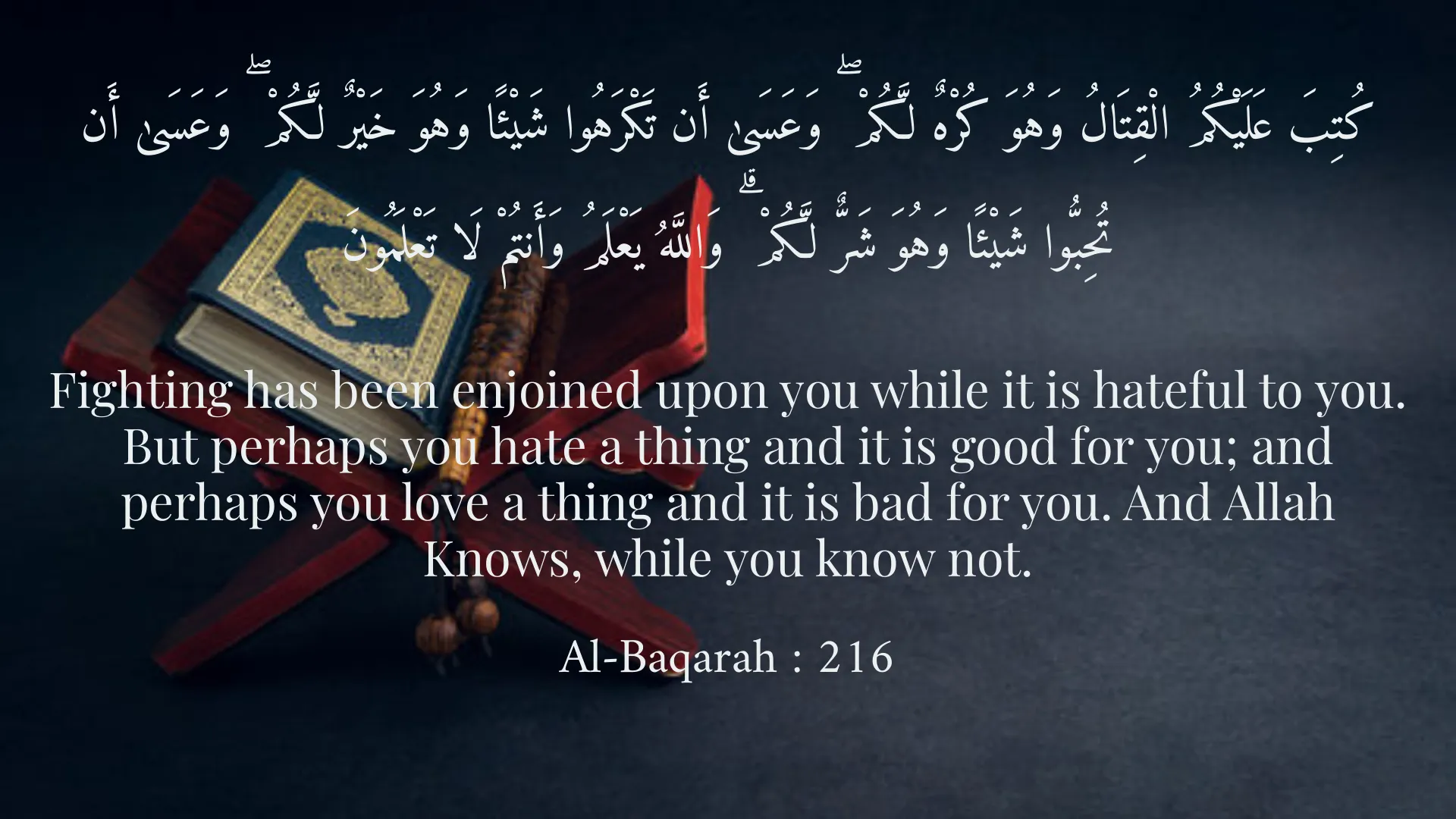
The feeling of sometimes expecting too much from God is a common human experience, rooted in various factors, many of which are subtly explored in Quranic teachings. These high expectations usually stem from our incomplete understanding of Divine wisdom, the nature of this world as a testing ground, and our role as His servants. The Holy Quran, with its profound insights into human nature and its relationship with the Creator, offers solutions to manage these expectations and achieve inner peace and contentment. One of the primary reasons for such expectations is the limitation of human perception and insight compared to Allah's absolute knowledge and wisdom. We see only a small fraction of reality and, based on this limited view, we judge and harbor desires for ourselves. Allah, on the other hand, is aware of all hidden and manifest aspects, and the ultimate good or harm of every phenomenon. The Quran states in Surah Al-Baqarah, verse 216: “But perhaps you hate a thing and it is good for you; and perhaps you love a thing and it is bad for you. And Allah Knows, while you know not.” This verse clearly indicates that our perception of good and bad often differs from the ultimate reality. By His infinite wisdom, Allah sometimes withholds what we eagerly desire, because He knows that it is not truly beneficial for us, or it might even harm us. This wisdom also applies to the delay in answering prayers; sometimes it is better for our prayer to be answered at a different time, or Allah has a greater good in store for us, either in this world or in the hereafter. Another reason is the lack of patience (Sabr) and reliance (Tawakkul) on Divine decree. Human nature tends to be impatient, desiring quick fulfillment of wishes. When we supplicate and do not immediately see the desired outcome, we might feel that our expectations are not met or even that we have been ignored. However, the Quran strongly emphasizes the virtue of patience, considering it the key to overcoming many difficulties and a path to being in Allah’s company. In Surah Al-Baqarah, verse 153, it states: “O you who have believed, seek help through patience and prayer. Indeed, Allah is with the patient.” Patience means accepting that everything has its appointed time and submitting to Allah’s will, even when that will does not align with our desires. Tawakkul means relying wholeheartedly on Allah, trusting that He is the best Disposer of affairs and that He never withholds good from His righteous servants. This trust helps us to be free from unnecessary worries and to find inner peace instead of having excessive expectations. Furthermore, this world is inherently a place of trial and test. Allah repeatedly emphasizes in the Quran that He tests people with hardships, fears, hunger, and loss to gauge their faith and elevate their ranks. Expecting life to always go according to our wishes and for everything we desire to be immediately granted contradicts the philosophy of Divine testing. These trials are not meant to torment humans but to foster their spiritual growth and development. When we expect God to smooth out every path for us, we essentially overlook our very purpose in existence. Understanding that difficulties and deprivations can be hidden blessings and opportunities to draw closer to Allah helps us to moderate our expectations and learn from every experience. Moreover, neglecting gratitude (Shukr) can also fuel excessive expectations. When a person focuses on what they lack instead of counting Allah's countless blessings, and dwells on shortcomings and unfulfilled desires, feelings of dissatisfaction and increased expectations are strengthened within them. Allah states in Surah Ibrahim, verse 7: “And [remember] when your Lord proclaimed, 'If you are grateful, I will surely increase you [in favor]; but if you deny, indeed, My punishment is severe.'” Gratitude not only opens doors to more blessings but also changes one's perspective on life, shifting from a state of constant expectation to one of contentment and satisfaction. Focusing on what we have, rather than what we don't, calms the heart and enriches the soul. Ultimately, expecting too much from God sometimes arises from a misunderstanding of our status and role as servants and Allah's status as the Lord. As creations, we should humbly and respectfully ask our Creator, while maintaining complete trust in His absolute knowledge and infinite wisdom. This does not mean abandoning prayer and asking, but rather asking with reverence and accepting the response with submission. Supplication should be accompanied by submission and contentment, not insistence or bargaining that leads to dissatisfaction and undue expectations. Let us remember that Allah is too merciful to abandon His servants or withhold good from them, but His giving is always according to His wisdom and welfare, not necessarily according to our momentary desires and wishes. By understanding these points, we can establish a deeper, calmer, and more balanced relationship with the Creator of the universe and free ourselves from the snare of excessive expectations.
Related Verses
كُتِبَ عَلَيْكُمُ الْقِتَالُ وَهُوَ كُرْهٌ لَّكُمْ ۖ وَعَسَىٰ أَن تَكْرَهُوا شَيْئًا وَهُوَ خَيْرٌ لَّكُمْ ۖ وَعَسَىٰ أَن تُحِبُّوا شَيْئًا وَهُوَ شَرٌّ لَّكُمْ ۗ وَاللَّهُ يَعْلَمُ وَأَنتُمْ لَا تَعْلَمُونَ
Fighting has been enjoined upon you while it is hateful to you. But perhaps you hate a thing and it is good for you; and perhaps you love a thing and it is bad for you. And Allah Knows, while you know not.
Al-Baqarah : 216
يَا أَيُّهَا الَّذِينَ آمَنُوا اسْتَعِينُوا بِالصَّبْرِ وَالصَّلَاةِ ۚ إِنَّ اللَّهَ مَعَ الصَّابِرِينَ
O you who have believed, seek help through patience and prayer. Indeed, Allah is with the patient.
Al-Baqarah : 153
وَإِذْ تَأَذَّنَ رَبُّكُمْ لَئِن شَكَرْتُمْ لَأَزِيدَنَّكُمْ ۖ وَلَئِن كَفَرْتُمْ إِنَّ عَذَابِي لَشَدِيدٌ
And [remember] when your Lord proclaimed, 'If you are grateful, I will surely increase you [in favor]; but if you deny, indeed, My punishment is severe.'
Ibrahim : 7
Short Story
One day, a pious and pure-hearted dervish was secluded in a mountain retreat. Whenever a need arose in his heart, he would raise his hands in supplication to God and make a request. One night, a heavy rain fell, and a flood began to rush towards his small hut. The dervish, with an agitated heart, prayed, saying: “O my Lord, protect my hut from the harm of this flood!” But the flood relentlessly advanced. The dervish thought to himself: “Perhaps my expectation is undue, and this is Your wisdom.” That very night, he dreamt of a voice telling him: “O dervish, you ask Us to avert what appears to be harmful to you, yet sometimes within these very hardships lies a hidden opening. If the flood had not swept away your hut, the clear spring hidden behind that rock would never have appeared, and you would have been deprived of its blessing.” The dervish awoke; the flood had receded, and behind his hut, a clear spring had emerged. He realized that expectations must be accompanied by submission and contentment, and that God knows what is best for His servants, even if, seemingly, our desires are not fulfilled. From that day on, he lived with a calmer heart and greater reliance, content with whatever came from the Divine.