Quranic Answer
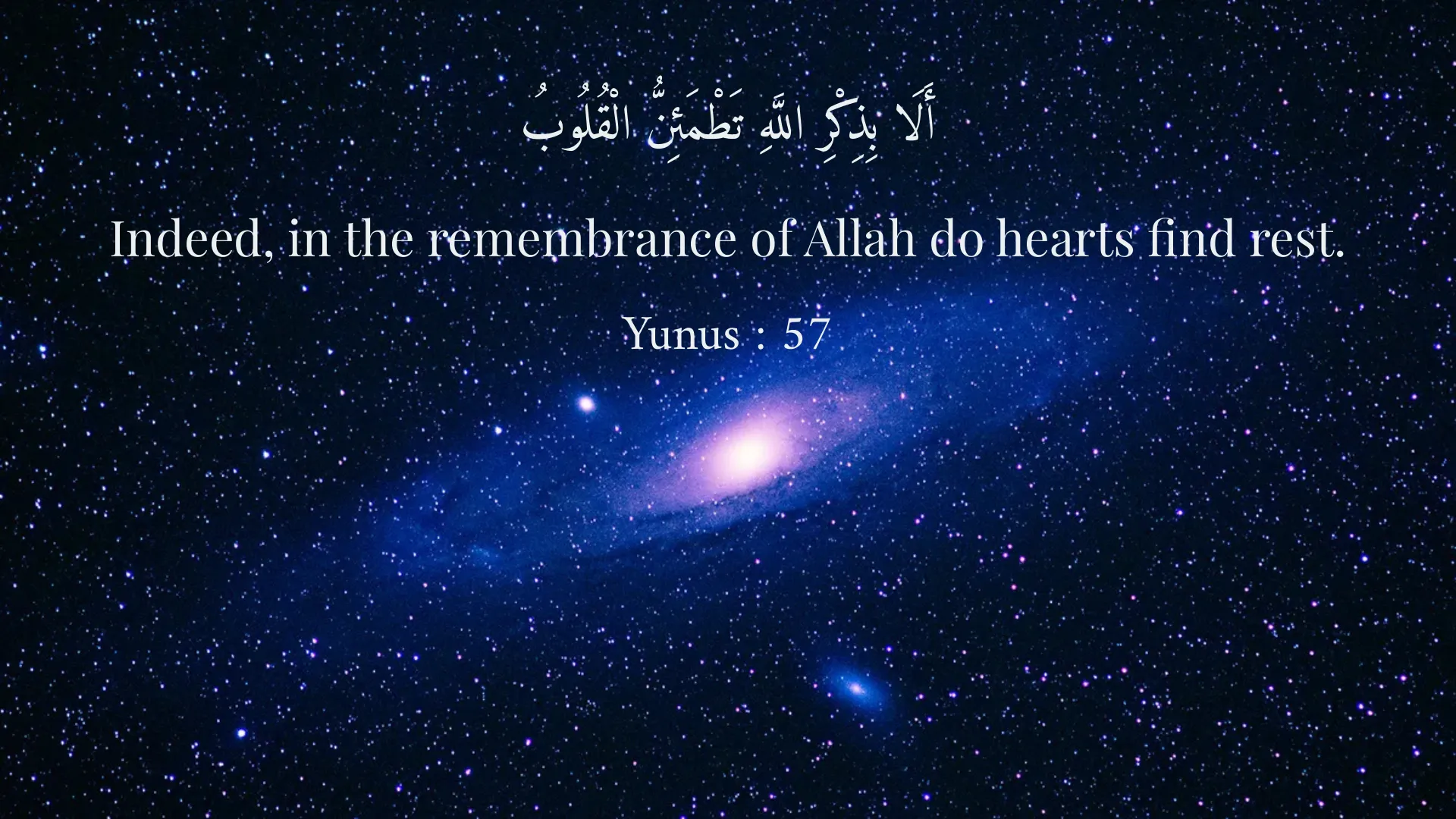
Feeling a sense of emptiness is a common state experienced by many individuals in today's fast-paced and often chaotic world. This feeling of void can arise from various reasons, including personal struggles, societal pressures, or existential questions. It is, however, essential to understand that this sensation is not unique to any individual but rather a shared experience of humanity. It is within these feelings of emptiness that we are prompted to seek deeper connections and ultimately find our purpose in life. The Holy Quran offers profound insights into human experiences and emotions, reminding us of the significance of maintaining a healthy connection with our Creator. In Surah Yunus, verse 57, it states, 'Verily, in the remembrance of Allah do hearts find rest.' This verse serves as a powerful reminder that when our interaction with God is weak, we may inevitably encounter emptiness. When we drift away from spirituality and forget Allah—the source of all fulfillment and solace—this inherent void can manifest within us. To delve deeper into this aspect, it is essential to ask ourselves what leads to this feeling of emptiness. In the throes of modernity, many individuals turn towards the material world and seek validation through created things. Thus, in Surah Al-Baqarah, verse 165, some people are mentioned to swear by created aspects of life rather than God himself. This misplacement of reliance often leads to a diminished sense of meaning and purpose. As a foundational step towards alleviating our feelings of emptiness, it is recommended to return to the remembrance of Allah. Engaging in acts of worship and developing a deeper spiritual connection can furnish us with the strength and contentment we seek. For instance, engaging in prayer is not just a form of worship but a form of communication with God—it reassures us that we are not alone in our struggles. Additionally, performing acts of kindness and generosity towards others can enhance our relationship with God and help us navigate away from feelings of emptiness. The tribulations we face in life often lead us to underestimate the power of spiritual connection. The act of remembering Allah fills the gap of loneliness and frustration with hope and love. Through contemplation and prayer, individuals can feel an overwhelming sense of comfort that reinforces the existence of a greater purpose in their lives. The goal, therefore, is not to eliminate feelings of emptiness entirely but to understand that they can be a prompt for introspection and connection with the divine. Moreover, in Surah Al-Fajr, verses 27-28, Allah addresses the believers, saying, 'O soul that is at rest, return to your Lord, well-pleased and pleasing.' This remarkable verse brings forth the concept of spiritual peace, illustrating the harmony achieved when one's life is aligned with divine will. It reaffirms that the state of contentment arises when we return to God, fostering a relationship that is deeply rooted in faith and love. While feelings of emptiness may arise from various personal experiences, the framework provided by the Quran allows individuals to reflect on their situation and take proactive steps toward nurturing their spiritual well-being. It compels us to reassess our priorities and the roles that faith plays in our lives. The notion that worldly pursuits can lead to a superficial semblance of happiness teaches us about the impermanence of material satisfaction. In recognizing the roots of our emptiness, we can shift our focus towards fulfilling our higher purpose. Self-reflection and meditation on the purpose of life agents will help individuals confront their innate fears and uncertainties. Acknowledging that ‘life is a test’—as noted in Islamic teachings—encourages the individual to invest in personal growth and spiritual development, which are remarkable antidotes to emptiness. Community plays a vital role in overcoming the sense of emptiness that so many individuals struggle with today. Building connections with others, whether through communal prayers, group activities, or charitable actions, enriches our understanding of humanity and deepens our relationship with God. It reminds us of the beauty of shared experiences and the commonalities bonded among believers. Nevertheless, this sense of emptiness is not permanent. It can be transformed through the practice of faith and love; reorienting ourselves towards Allah and embodying His teachings in our daily lives can help reduce these feelings. Engaging in charitable actions such as volunteering, caring for the less fortunate, and fostering love and understanding creates a path that not only aids us in overcoming our internal struggles but simultaneously benefits those around us. In conclusion, while the feeling of emptiness may lead individuals into despair, it should serve as a wake-up call prompting introspection and a refocus on our spiritual priorities. The Holy Quran provides us with guidance; by returning to the remembrance of Allah, we can find solace, purpose, and inner peace. Embracing the teachings of Islam, engaging with our community, and fostering a relationship with God can ultimately help us navigate through our feelings of emptiness, bringing forth a fulfilling, purposeful life. Therefore, to reduce the feeling of emptiness, we should remember Allah, actively engage in self-improvement, and focus on our true life goals with unwavering commitment.
Related Verses
أَلَا بِذِكْرِ اللَّهِ تَطْمَئِنُّ الْقُلُوبُ
Indeed, in the remembrance of Allah do hearts find rest.
Yunus : 57
وَمِنَ النَّاسِ مَن يَتَّخِذُ مِن دُونِ اللَّهِ أَندَادًا يُحِبُّونَهُمْ كَحُبِّ اللَّهِ ۗ وَالَّذِينَ آمَنُوا أَشَدُّ حُبًّا لِّلهِ
And among the people are some who take other than Allah as equals [to Him]. They love them as they should love Allah. But those who believe are stronger in love for Allah.
Al-Baqarah : 165
يَا أَيَّتُهَا النَّفْسُ الْمُطْمَئِنَّةُ
O soul that is at rest, return to your Lord.
Al-Fajr : 27
Short Story
Ali was a young man who often found himself lost in negative thoughts, feeling a sense of emptiness during the cold winter days. However, one night he turned to prayer and remembrance of God, feeling his heart settle in peace. He decided to remember God more and combat his despair with good deeds. After a while, he achieved a new life filled with hope and vitality.