Quranic Answer
The feeling of spiritual detachment or a desire to abandon matters of faith, even God, is an experience many individuals encounter throughout their lives. While this sensation might seem alarming and indicative of weakened faith, from the perspective of the Holy Quran, it is a perfectly human phenomenon with various roots, and the Quran provides clear remedies for addressing it. The Quran views this feeling not as an end, but sometimes as a phase of spiritual growth, a divine test, or a result of heedlessness and temptation, which, with proper understanding and effort, can be overcome to deepen one's relationship with God. Quranic Roots of This Feeling: 1. Divine Trials and Tribulations: According to Quranic teachings, the life of this world is a realm of trials and tests. Allah tests human beings with fear, hunger, loss of wealth, lives, and fruits of their labor, to reveal the patient from the impatient, the truthful from the liars, and the grateful from the ungrateful. In Surah Al-Baqarah, verse 155, Allah says: "وَ لَنَبْلُوَنَّكُم بِشَيْءٍ مِّنَ الْخَوْفِ وَ الْجُوعِ وَ نَقْصٍ مِّنَ الْأَمْوَالِ وَ الْأَنفُسِ وَ الثَّمَرَاتِ ۗ وَ بَشِّرِ الصَّابِرِينَ" (And We will surely test you with something of fear and hunger and a loss of wealth and lives and fruits, but give good tidings to the patient.) When a person is immersed in these hardships and finds no apparent escape, or when difficulties become overwhelming and prolonged, they might fall into despair. This despair can sometimes lead to the thought that giving up on reliance on God and letting go of everything is the simplest solution. In these moments, the feeling of distance from God or the desire for spiritual indifference can stem from a misunderstanding of the divine wisdom behind these afflictions. One might ask: "If God exists and is merciful, why does He impose such suffering on me?" This question, though seemingly natural, finds its answer in the transient nature of this world, which is not a paradise or a place for eternal rest, but rather a passage for spiritual growth and human perfection. 2. Whispers of Shaytan (Satan): Satan is the sworn enemy of humanity, and his primary objective is to mislead and divert people from the righteous path and the remembrance of God. Through his insidious whispers, he exaggerates problems, downplays divine blessings, and weakens one's relationship with their Lord. Satan endeavors to push humanity towards heedlessness, denial, indifference, and even disbelief. Surah An-Nas (verses 1-6) clearly refers to this lurking whisperer: "قُلْ أَعُوذُ بِرَبِّ النَّاسِ مَلِكِ النَّاسِ إِلَٰهِ النَّاسِ مِن شَرِّ الْوَسْوَاسِ الْخَنَّاسِ الَّذِي يُوَسْوِسُ فِي صُدُورِ النَّاسِ * مِنَ الْجِنَّةِ وَالنَّاسِ" (Say, 'I seek refuge in the Lord of mankind, The Sovereign of mankind, The God of mankind, From the evil of the retreating whisperer - Who whispers [evil] into the breasts of mankind - From among the jinn and mankind.') Therefore, when the inclination to abandon God sprouts in our hearts, a significant part of it can originate from Satan's machinations, aiming to deter us from the true source of peace and power, which is the remembrance of God. 3. Heedlessness and Distance from the Remembrance of God: The Quran places great emphasis on the remembrance of Allah (dhikr) and describes it as a source of tranquility and assurance for hearts. In Surah Ar-Ra'd, verse 28, it states: "الَّذِينَ آمَنُوا وَتَطْمَئِنُّ قُلُوبُهُم بِذِكْرِ اللَّهِ ۗ أَلَا بِذِكْرِ اللَّهِ تَطْمَئِنُّ الْقُلُوبُ" (Those who have believed and whose hearts are assured by the remembrance of Allah. Unquestionably, by the remembrance of Allah hearts are assured.) When a person becomes heedless of Allah and their entire focus shifts to material and worldly affairs, their heart becomes hardened and empty. This spiritual distance can gradually foster indifference and then a desire to detach from God. The human soul needs spiritual nourishment, and neglecting it, much like physical hunger, leads to spiritual weakness and illness, ultimately resulting in lethargy and indifference towards the realities of existence. 4. Human Nature and Weaknesses: Human beings, by their creation, are hasty, impatient, and sometimes ungrateful. When faced with hardships, they quickly despair, and during times of prosperity, they might forget God. These inherent weaknesses, also mentioned in the Quran, can contribute to the desire to become "indifferent" towards God. Surah Al-Ma'arij (verses 19-21) states: "إِنَّ الْإِنسَانَ خُلِقَ هَلُوعًا إِذَا مَسَّهُ الشَّرُّ جَزُوعًا وَإِذَا مَسَّهُ الْخَيْرُ مَنُوعًا" (Indeed, mankind was created anxious: when evil touches him, impatient, and when good touches him, withholding.) These verses indicate that such feelings (despair, impatience) are rooted in human nature and must be overcome through consistent faith-based practice and by increasing one's spiritual capacity to face challenges. Quranic Solutions to Overcome This Feeling: 1. Seeking Refuge in Allah and Relying on Patience and Prayer: In moments when spiritual reluctance or a desire to escape from God overwhelms us, the Quran offers practical solutions. The most important of these is seeking refuge in Allah and seeking help through patience (sabr) and prayer (salat). These two are the main pillars of spiritual resilience and strengthening one's connection with the Lord. Prayer is an opportunity for direct and unmediated communication with the Creator, which can cleanse the heart of turmoil and grant true tranquility. Patience also helps individuals resist temptations, problems, and despair, enabling them to change their perspective on difficulties. Surah Al-Baqarah, verse 153, states: "يَا أَيُّهَا الَّذِينَ آمَنُوا اسْتَعِينُوا بِالصَّبْرِ وَالصَّلَاةِ ۚ إِنَّ اللَّهَ مَعَ الصَّابِرِينَ" (O you who have believed, seek help through patience and prayer. Indeed, Allah is with the patient.) 2. Repentance (Tawbah) and Seeking Forgiveness: The door to returning to Allah and repentance never closes, even if a person feels immense sin or immeasurable distance. Allah introduces Himself in the Quran as the Forgiving (Ghafoor) and the Merciful (Raheem), inviting His servants to forgiveness, even those who have transgressed against themselves. Surah Az-Zumar, verse 53, offers profound hope: "قُلْ يَا عِبَادِيَ الَّذِينَ أَسْرَفُوا عَلَىٰ أَنفُسِهِمْ لَا تَقْنَطُوا مِن رَّحْمَةِ اللَّهِ ۚ إِنَّ اللَّهَ يَغْفِرُ الذُّنُوبَ جَمِيعًا ۚ إِنَّهُ هُوَ الْغَفُورُ الرَّحِيمُ" (Say, 'O My servants who have transgressed against themselves [by sinning], do not despair of the mercy of Allah. Indeed, Allah forgives all sins. Indeed, it is He who is the Forgiving, the Merciful.') This verse assures us that divine mercy is boundless, and repentance and seeking forgiveness not only cleanse sins but also bring a feeling of lightness, hope, and renewed closeness to God. 3. Reflecting on Quranic Verses and Divine Signs: Reading, understanding, and contemplating the verses of the Quran and observing the signs of Allah's power, wisdom, and mercy in creation can strengthen faith and dispel doubt. This practice reminds individuals that Allah is always present and All-Capable. Reflecting on the grandeur of creation humbles a person before Allah's infinite power and instills the understanding that reliance on such power is the only path to true peace and salvation. 4. Associating with the Righteous and Avoiding Negative Environments: The Quran highlights the importance of companionship with righteous individuals and avoiding gatherings that lead one to neglect the remembrance of God. Being among believers, listening to wise words, and participating in spiritual activities can restore positive energy and hope, keeping one steadfast on the path of worship. Connecting with those who have submitted to God can serve as a support system for a weary and despairing soul. Ultimately, this feeling of wanting to give up on God is an inner call that can stem from various factors. However, it is crucial to view this feeling as an opportunity to reassess one's relationship with the Almighty. The Holy Quran teaches us that Allah is near, merciful, and always ready to accept His servants. This journey is one full of tests, but with reliance on Him, patience, prayer, and returning to His remembrance, one can overcome any temptation and despair and attain true tranquility. These feelings are bridges that can lead us to a deeper understanding of Tawhid (Oneness of God) and our connection with the Creator, if we cross them with insight and patience. Every time this feeling arises, it is actually an opportunity to strengthen one's foundational beliefs and seek deeper refuge in Allah's presence. This is a natural stage of the spiritual journey that many people experience, and with Quranic guidance, one can navigate it safely and emerge stronger than before. Allah never abandons His servants and always keeps the door of return and repentance open for them. It is Allah's Oneness, Mercy, and Forgiveness that keeps hope alive in the hearts of His servants even in the most difficult moments, calling them back to Him.
Related Verses
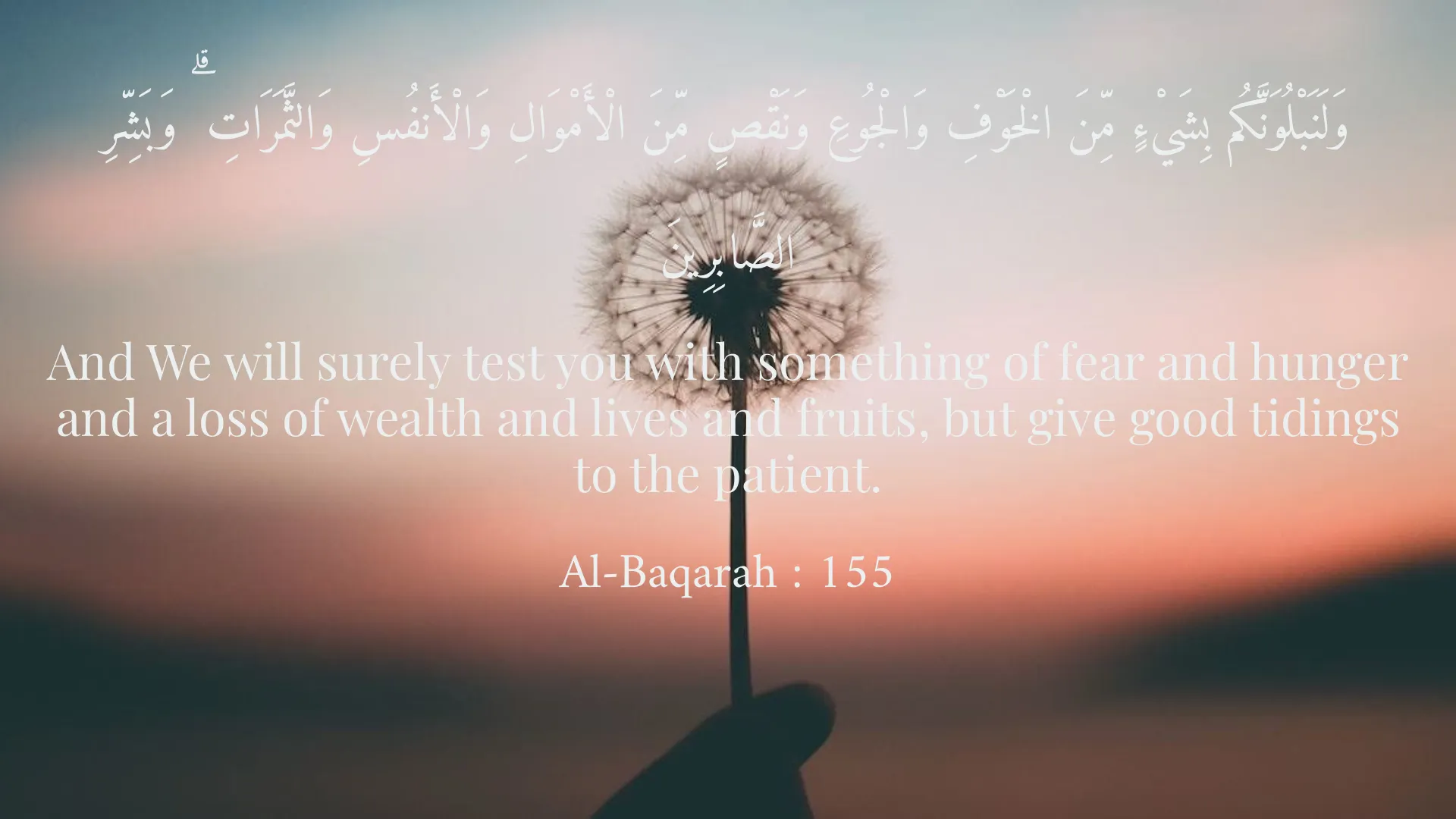
وَلَنَبْلُوَنَّكُم بِشَيْءٍ مِّنَ الْخَوْفِ وَالْجُوعِ وَنَقْصٍ مِّنَ الْأَمْوَالِ وَالْأَنفُسِ وَالثَّمَرَاتِ ۗ وَبَشِّرِ الصَّابِرِينَ
And We will surely test you with something of fear and hunger and a loss of wealth and lives and fruits, but give good tidings to the patient.
Al-Baqarah : 155
مِنَ الْجِنَّةِ وَالنَّاسِ
From among the jinn and mankind.
An-Nas : 6
الَّذِينَ آمَنُوا وَتَطْمَئِنُّ قُلُوبُهُم بِذِكْرِ اللَّهِ ۗ أَلَا بِذِكْرِ اللَّهِ تَطْمَئِنُّ الْقُلُوبُ
Those who have believed and whose hearts are assured by the remembrance of Allah. Unquestionably, by the remembrance of Allah hearts are assured.
Ar-Ra'd : 28
قُلْ يَا عِبَادِيَ الَّذِينَ أَسْرَفُوا عَلَىٰ أَنفُسِهِمْ لَا تَقْنَطُوا مِن رَّحْمَةِ اللَّهِ ۚ إِنَّ اللَّهَ يَغْفِرُ الذُّنُوبَ جَمِيعًا ۚ إِنَّهُ هُوَ الْغَفُورُ الرَّحِيمُ
Say, 'O My servants who have transgressed against themselves [by sinning], do not despair of the mercy of Allah. Indeed, Allah forgives all sins. Indeed, it is He who is the Forgiving, the Merciful.'
Az-Zumar : 53
Short Story
A dervish once cried out in the marketplace, "O God, my heart is weary of this world full of pain and sorrow; I wish to give up on everything!" A wise mystic passing by said, "My friend, this feeling is a familiar ache. If you turn your heart away from Him, to whom will you turn? Who is the King of the world but He, in whose refuge you find peace? Remember what Saadi said: 'If the sword of the world moves from its place, it will not cut a vein unless God wills.' Sometimes, temptations and hardships wrap around us so tightly that we imagine there is no way out but to let go. But be patient! Look towards the heavens, for He is the Provider, and He is the успокоитель of hearts. Perhaps there is a good hidden in this restlessness that will bring you back to Him. So, turning away from Him is not a solution, but another pain. Returning to Him is the refuge." Upon hearing this, the dervish found peace and understood that the remedy was not in giving up, but in seeking refuge in the Absolute King.