Quranic Answer
The feeling that God is displeased or distant from an individual is an experience many believers encounter throughout their lives. This sentiment can arise from hardships, challenges, sins, or even the whisperings of Satan. However, it is crucial to understand that this feeling is more of a human interpretation rather than a divine reality concerning God's essence. The Holy Quran repeatedly emphasizes God's boundless mercy, infinite compassion, and closeness to His servants. Allah Himself introduces as "Ar-Rahman, Ar-Rahim" (The Most Gracious, The Most Merciful) and states that His mercy encompasses all things. Firstly, this feeling of displeasure or distance is often rooted in our misunderstanding of 'divine testing' and the wisdom behind trials and tribulations. This worldly life is a stage for tests and trials. Allah says in the Quran: "And We will surely test you with something of fear and hunger and a loss of wealth and lives and fruits, but give good tidings to the patient" (Surah Al-Baqarah, 2:155). These tests are not a sign of displeasure; rather, they are opportunities for growth, strengthening faith, purifying sins, and elevating one's status in the sight of Allah. It's akin to a teacher giving difficult exams to a student, not out of animosity, but to assess and elevate them. If a person shows patience in these trials, they will not only receive divine favor but also attain the rank of the patient, whom Allah declares Himself to be with. Secondly, sometimes this feeling of distance or displeasure is a natural and logical consequence of our own actions and sins. The Quran explicitly states that whatever good befalls a human being is from Allah, and whatever evil befalls them is from themselves: "Whatever good reaches you is from Allah, but whatever evil befalls you is from yourself" (Surah An-Nisa, 4:79). Sins and disobedience can create a veil between a servant and their Lord, preventing them from perceiving divine grace. When a person becomes heedless and drifts away from the remembrance of God, their heart becomes disturbed and anxious, and this disturbance might be mistakenly interpreted as God's displeasure. Yet, Allah is always ready to accept His servants' repentance and never allows them to despair of His mercy. This feeling might be an inner warning that it is time to reassess one's actions and return to God. This itself is a form of divine grace, calling a person to wakefulness. Thirdly, satanic whispers play a significant role in creating this feeling of despair and hopelessness. Satan constantly tries to make humans despair of God's mercy and tempt them into further sin. Allah says in the Quran: "Satan promises you poverty and enjoins upon you immorality, but Allah promises you forgiveness from Him and bounty. And Allah is all-Encompassing and Knowing" (Surah Al-Baqarah, 2:268). When a person feels that God is displeased with them, they have, in fact, fallen into the trap of Satan's whispers, which aim to divert them from the right path and sever their connection with their Creator. In such situations, seeking refuge in Allah and reciting supplications and invocations that protect from such whispers is highly effective. To overcome this feeling, the Holy Quran provides clear pathways: 1. Repentance and Seeking Forgiveness (Tawbah and Istighfar): The first and most effective step is to sincerely return to God and seek forgiveness for sins. Allah states in verse 53 of Surah Az-Zumar: "Say, 'O My servants who have transgressed against themselves [by sinning], do not despair of the mercy of Allah. Indeed, Allah forgives all sins. Indeed, it is He who is the Forgiving, the Merciful.'" This verse promises that no matter how great the sins, God's mercy is vaster, and no distance between a servant and God is permanent, unless the servant themselves chooses not to return. 2. Patience (Sabr) and Prayer (Salat): In times of hardship and unpleasant feelings, seeking refuge in patience and prayer brings tranquility. Allah says: "O you who have believed, seek help through patience and prayer. Indeed, Allah is with the patient." (Surah Al-Baqarah, 2:153). Prayer is a direct connection with God, and patience increases one's capacity to endure difficulties. These two factors make a person resilient against adversities and eliminate feelings of loneliness and divine displeasure. 3. Remembrance of God (Dhikr): True tranquility of hearts lies in the remembrance of God. "Unquestionably, by the remembrance of Allah hearts are assured" (Surah Ar-Ra'd, 13:28). By constantly engaging in Dhikr and reciting the Quran, one's heart becomes illuminated, and a feeling of closeness to God replaces the sense of distance and displeasure. The remembrance of God reminds a person that Allah is always present and observing, and He never abandons His servants. 4. Trust in God (Tawakkul) and Submission: Entrusting one's affairs to God and trusting in His wisdom, even when the path seems unclear, brings a sense of assurance. When a person trusts in God wholeheartedly, they no longer feel alone or unloved, because they know that Allah orchestrates the best for them. 5. Service to Creation and Righteous Deeds (Ihsan): Performing good deeds and helping others not only elevates one's spirit but also draws one closer to God. Love for creation is love for the Creator, and these actions can remove the veils of sin and illuminate the heart. Ultimately, it must be understood that Allah never truly becomes 'displeased' with His servants in a human sense; rather, it is we who sometimes, through our actions or thoughts, distance ourselves from the fountain of divine grace. The feeling of displeasure is a sign of an awakening conscience and a nudge to return to the right path. Allah is always ready to accept, forgive, and show mercy. Hope in divine mercy is the guiding light for a believer in the darkest moments, saving them from despair and hopelessness. Therefore, view this feeling as an opportunity for self-improvement and deepening your connection with the Creator, not as a sign of divine anger or abandonment.
Related Verses
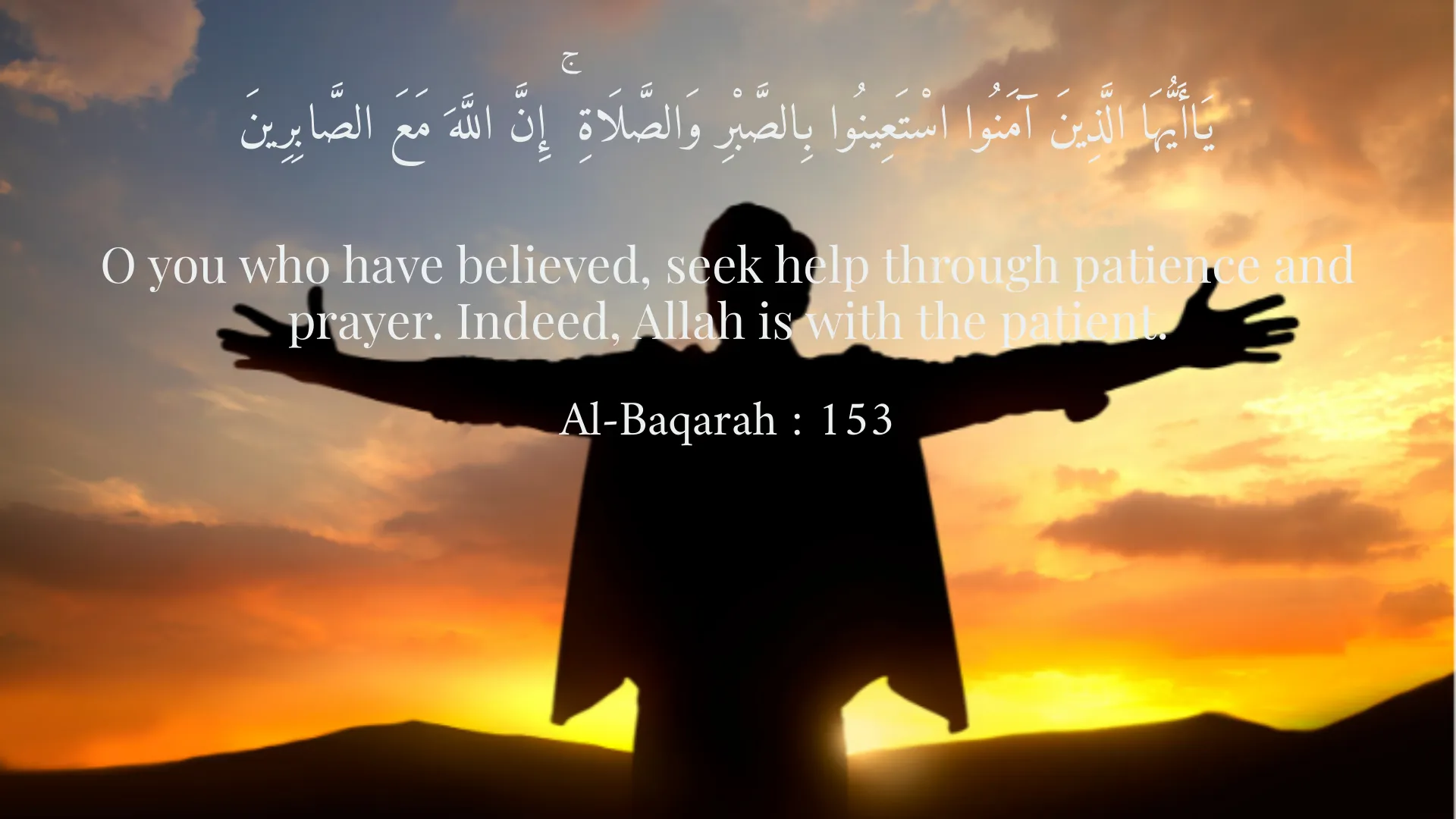
يَاأَيُّهَا الَّذِينَ آمَنُوا اسْتَعِينُوا بِالصَّبْرِ وَالصَّلَاةِ ۚ إِنَّ اللَّهَ مَعَ الصَّابِرِينَ
O you who have believed, seek help through patience and prayer. Indeed, Allah is with the patient.
Al-Baqarah : 153
الَّذِينَ آمَنُوا وَتَطْمَئِنُّ قُلُوبُهُم بِذِكْرِ اللَّهِ ۗ أَلَا بِذِكْرِ اللَّهِ تَطْمَئِنُّ الْقُلُوبُ
Those who have believed and whose hearts are assured by the remembrance of Allah. Unquestionably, by the remembrance of Allah hearts are assured.
Ar-Ra'd : 28
قُلْ يَا عِبَادِيَ الَّذِينَ أَسْرَفُوا عَلَىٰ أَنفُسِهِمْ لَا تَقْنَطُوا مِن رَّحْمَةِ اللَّهِ ۚ إِنَّ اللَّهَ يَغْفِرُ الذُّنُوبَ جَمِيعًا ۚ إِنَّهُ هُوَ الْغَفُورُ الرَّحِيمُ
Say, 'O My servants who have transgressed against themselves [by sinning], do not despair of the mercy of Allah. Indeed, Allah forgives all sins. Indeed, it is He who is the Forgiving, the Merciful.'
Az-Zumar : 53
Short Story
One day, a distressed dervish, complaining about the harshness of time and the misfortunes befalling him, cried out: "O God, what have I done that You have become so displeased with me?!" Sheikh Saadi, seeing him from afar, approached with a kind smile and said: "My friend, displeasure is a characteristic of the imperfect, and the Most High God is free from all imperfections. How can He, the Creator of all this beauty and mercy, be displeased with a servant He Himself created? What you perceive as displeasure is sometimes a test to reveal the essence of your being, sometimes a cleanser for your sins, and sometimes a gentle nudge for awakening and returning to Him. Just like a gardener who prunes dry and excess branches so that the tree may bear more fruit – not out of enmity, but out of love and wisdom." Upon hearing these words, the dervish's heart found peace, and he understood that God never abandons His servants, and every event holds a hidden wisdom.