Quranic Answer
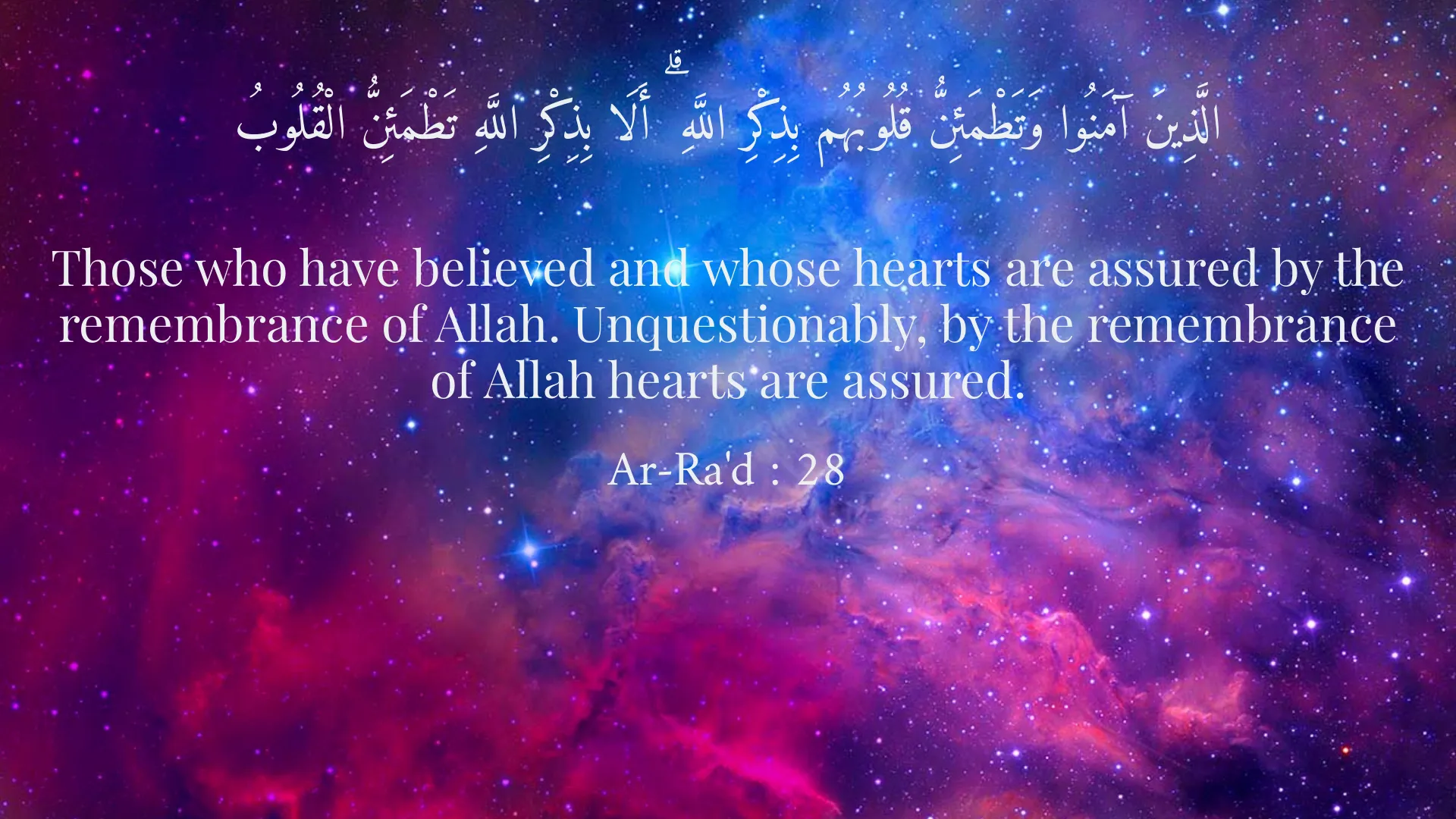
The feeling of being lost, or 'گمگشتگی' in Persian, is a profound and universal human experience that many individuals encounter at various stages of their lives. This feeling can manifest as aimlessness, a lack of clear direction, or even an internal void despite outward successes. From an Islamic and Quranic perspective, this sensation is not merely a psychological state but often a spiritual indicator, a gentle or sometimes forceful nudge from the Divine to re-evaluate one's path and priorities. The Holy Quran, as a comprehensive guide (هدایت), offers profound insights into the roots of this feeling and provides clear pathways to overcome it, leading to inner peace and clarity. One of the primary reasons for feeling lost, as explicitly articulated in the Quran, is a disconnection from the remembrance of Allah (Dhikr Allah). Allah states in Surah Ar-Ra'd (13:28): “الَّذِينَ آمَنُوا وَتَطْمَئِنُّ قُلُوبُهُم بِذِكْرِ اللَّهِ ۗ أَلَا بِذِكْرِ اللَّهِ تَطْمَئِنُّ الْقُلُوبُ” (Those who have believed and whose hearts are assured by the remembrance of Allah. Unquestionably, by the remembrance of Allah hearts are assured.) This verse is a foundational principle. When our hearts are not regularly nourished by the remembrance of Allah – through consistent prayer (Salah), the diligent recitation of the Quran, deep contemplation (Tafakkur) of His signs in creation, or simply by being mindful of His pervasive presence in daily life – they inevitably become agitated and restless. This inner turmoil then manifests as a pervasive feeling of lostness, a gnawing emptiness, and a deep dissatisfaction that no amount of worldly achievement or material possessions can ever truly fill. The human soul inherently yearns for its Creator; when this fundamental connection is neglected or severed, a profound void appears, leading to disorientation. It’s akin to a grand ship sailing in a vast ocean without a compass; no matter how majestic the vessel, without proper direction, it is utterly adrift and lost. Another crucial aspect highlighted in the Quran is the forgetfulness of one's ultimate purpose (Hadaf Gha'i). Allah says in Surah Adh-Dhariyat (51:56): “وَمَا خَلَقْتُ الْجِنَّ وَالْإِنسَ إِلَّا لِيَعْبُدُونِ” (And I did not create the jinn and mankind except to worship Me.) This verse succinctly defines our primary existential purpose. When individuals lose sight of this divine objective – which encompasses not just ritualistic worship but also living a life aligned with divine values of justice, compassion, truth, and service to others – life can feel inherently meaningless, leading directly to a sense of being lost. If one’s sole pursuit is the accumulation of ephemeral wealth, fleeting status, or transient pleasures, these temporary gratifications, while seemingly fulfilling in the short term, ultimately reveal their hollowness. The soul, designed for a higher and eternal purpose, feels deeply unfulfilled and adrift when its focus is solely tethered to purely worldly ambitions. This misplaced focus often creates an existential crisis, a feeling of not knowing “why” one exists or “where” one is truly going, culminating in that profound sense of lostness. Furthermore, the Quran vividly describes the consequences of turning away from Allah's guidance (Al-I’radh ‘an Dhikr). In Surah Taha (20:124), Allah issues a profound warning: “وَمَنْ أَعْرَضَ عَن ذِكْرِي فَإِنَّ لَهُ مَعِيشَةً ضَنكًا وَنَحْشُرُهُ يَوْمَ الْقِيَامَةِ أَعْمَىٰ” (And whoever turns away from My remembrance – indeed, he will have a difficult life, and We will gather him on the Day of Resurrection blind.) The phrase “difficult life” (Ma’ishatan Dhanka) here is often interpreted as a life of spiritual constriction, perpetual anxiety, and deep inner malaise, even if the individual appears to be materially prosperous. This spiritual constriction is precisely the feeling of being lost – a profound lack of inner spaciousness, a sense of being trapped, or feeling that there is no clear way out. It is a spiritual blindness that prevents one from discerning the clear signs of Allah in the cosmos and within one’s own self, leading to a profound sense of confusion, despair, and disarray. This is not necessarily a punitive measure but rather a natural and inevitable consequence of disconnecting from the ultimate source of light, guidance, and peace. Sometimes, feelings of lostness can also be an integral part of divine trials and tests (Ibtila'). Allah tests His servants in myriad ways to purify them, elevate their ranks, and draw them closer to Him. Surah Al-Baqarah (2:155) states: “وَلَنَبْلُوَنَّكُم بِشَيْءٍ مِّنَ الْخَوْفِ وَالْجُوعِ وَنَقْصٍ مِّنَ الْأَمْوَالِ وَالْأَنفُسِ وَالثَّمَرَاتِ ۗ وَبَشِّرِ الصَّابِرِينَ” (And We will surely test you with something of fear and hunger and a loss of wealth and lives and fruits, but give good tidings to the patient.) While this verse speaks of explicit material and physical trials, the emotional and spiritual challenges, including feeling lost, confused, or uncertain about one's path, can also be a form of divine testing. These moments are invaluable opportunities for deep introspection, turning to Allah with humility and sincerity, and earnestly seeking His help and guidance. Such trials can serve as powerful catalysts for profound spiritual growth, compelling individuals to re-establish and strengthen their connection with God and thereby find their true, unwavering guidance. Moreover, following one's whims and desires (Ahwaa) without divine guidance can severely lead one astray. The Quran frequently warns against blindly pursuing one’s base desires, as they can deviate individuals from the straight path. When one's decisions and life choices are solely driven by fleeting impulses and temporary gratifications, without the moral compass provided by divine revelation, life can devolve into a chaotic series of impulsive choices, leading to confusion, regret, and ultimately, a profound sense of being lost in a labyrinth of one's own making. This path often culminates in a feeling of losing one's identity and true values, as the individual is constantly searching for something that can never be found, having overlooked the primary source of true contentment and direction. How does the Quran provide a way out of this lostness? The solutions are intrinsically linked to the underlying causes: 1. Re-establishing Dhikr and a strong connection with Allah: The most potent and comprehensive remedy is a sincere return to the remembrance of Allah. This involves maintaining consistent daily prayers, engaging in heartfelt supplication (Du’a), regular recitation and deep contemplation of the Quran, and consciously integrating Allah’s presence into every thought, action, and decision. This consistent and mindful connection provides unparalleled inner stability, peace, and unwavering direction. Dhikr is not merely the repetition of words but a continuous state of awareness of God's presence and power, purifying the heart from all despair and anxiety. 2. Re-aligning with Divine Purpose: Understanding that our ultimate purpose is to worship Allah and live a life of profound righteousness brings an immense sense of meaning and fulfillment. When every action is undertaken with the pure intention of pleasing Allah, even the most mundane daily tasks gain profound spiritual significance, effectively eliminating the feeling of aimlessness. This understanding helps one feel part of a larger divine plan, ensuring that one's efforts are never in vain. 3. Seeking Knowledge (Ilm): The Quran repeatedly emphasizes the paramount importance of knowledge. Gaining a deep understanding of Islamic teachings, comprehending the true purpose of life, and discerning the profound wisdom behind divine commands illuminates the path and dispels confusion. Sound knowledge, particularly religious knowledge, grants individuals the foresight to distinguish truth from falsehood and to navigate the complexities of life with clarity and conviction. 4. Patience and Reliance on Allah (Tawakkul wa Sabr): During periods of uncertainty and confusion, cultivating deep patience and complete reliance on Allah (Tawakkul) are absolutely crucial. Trusting unequivocally that Allah's divine plan is perfect and ultimately benevolent, even when we cannot fully comprehend it, brings an immense sense of tranquility and resilience. Patience here is not passive resignation but active steadfastness in the face of adversity, underpinned by unwavering faith in Allah’s infinite power and wisdom. 5. Repentance (Tawbah) and seeking forgiveness: Acknowledging one's shortcomings, sins, and deviations, and sincerely seeking Allah’s forgiveness, effectively cleanses the heart and removes the spiritual burdens and inner turmoil that significantly contribute to feeling lost. Tawbah represents a profound opportunity for a fresh start and a renewed covenant with the Creator, enabling spiritual rejuvenation. 6. Engaging in good deeds (Amal Saleh): Consistently engaging in acts of charity, demonstrating kindness, upholding justice, and actively helping others not only earn immense divine reward but also provide a profound sense of purpose, meaning, and inner fulfillment, directly counteracting feelings of emptiness and disillusionment. These actions strengthen one’s connection with the community and the larger universe, fostering a sense of utility and inherent worth. In essence, the feeling of lostness, from a Quranic perspective, is a vital spiritual distress signal. It indicates an urgent need to recalibrate one's internal compass and re-orient oneself wholeheartedly towards Allah. By sincerely turning to Him through constant remembrance, truly understanding one’s divine purpose, earnestly seeking sacred knowledge, and steadfastly practicing patience and good deeds, the human heart can find its true bearing. This transformation replaces confusion with clarity, emptiness with profound fulfillment, and lostness with an abiding inner peace and divine guidance. It is a blessed journey back to the innate fitra (natural disposition) that instinctively recognizes its Creator, thereby finding its true home and eternal direction. This deep, unwavering connection to Allah is the ultimate antidote to the spiritual malaise of being lost, guiding the individual through the labyrinth of life with divine light and boundless mercy. The Quran assures us that Allah is ever-present, ever-listening, and His guidance is always abundantly available for those who sincerely seek it. Embracing this divine guidance is the ultimate path to overcoming any sense of aimlessness and discovering true spiritual tranquility and clear direction, both in this transient world and the eternal hereafter. Paradoxically, the discomfort of feeling lost can be a profound blessing in disguise, gently pushing us towards the very source of all peace, certainty, and meaning.
Related Verses
الَّذِينَ آمَنُوا وَتَطْمَئِنُّ قُلُوبُهُم بِذِكْرِ اللَّهِ ۗ أَلَا بِذِكْرِ اللَّهِ تَطْمَئِنُّ الْقُلُوبُ
Those who have believed and whose hearts are assured by the remembrance of Allah. Unquestionably, by the remembrance of Allah hearts are assured.
Ar-Ra'd : 28
وَمَنْ أَعْرَضَ عَن ذِكْرِي فَإِنَّ لَهُ مَعِيشَةً ضَنكًا وَنَحْشُرُهُ يَوْمَ الْقِيَامَةِ أَعْمَىٰ
And whoever turns away from My remembrance – indeed, he will have a difficult life, and We will gather him on the Day of Resurrection blind.
Taha : 124
وَمَا خَلَقْتُ الْجِنَّ وَالْإِنسَ إِلَّا لِيَعْبُدُونِ
And I did not create the jinn and mankind except to worship Me.
Adh-Dhariyat : 56
Short Story
It is narrated that in ancient times, there was a wealthy merchant named "Salim" who was traveling with a caravan laden with goods and riches. He possessed everything: immense wealth, numerous friends, and high status. Yet, deep within him, he always carried a sense of lostness and emptiness. It was as if he was treading a path whose destination he did not know. One day, on his journey, he encountered a wise and enlightened old man sitting in a secluded part of the desert. Salim asked him, "O wise elder, I have everything, yet why is my heart not at peace, and why do I always feel as if I have lost my way?" The wise old man replied with a benevolent smile, "O young man, the true destination of your path lies within you, not outside of you. As long as your heart does not find peace in the remembrance of the Creator and you do not find your life's purpose in His servitude, you will be like a ship captain sailing in a boundless ocean without a guiding star. Peace and finding your way lie in returning to yourself and discovering the point of connection with the Origin of existence." Salim pondered these words. From that day forward, he engaged more in remembrance and worship, seeking his life's purpose in the way of God. Before long, the feeling of lostness departed from him, and a profound peace settled upon his heart, and he knew that the true path was not in worldly possessions but in connection with the Creator.