Quranic Answer
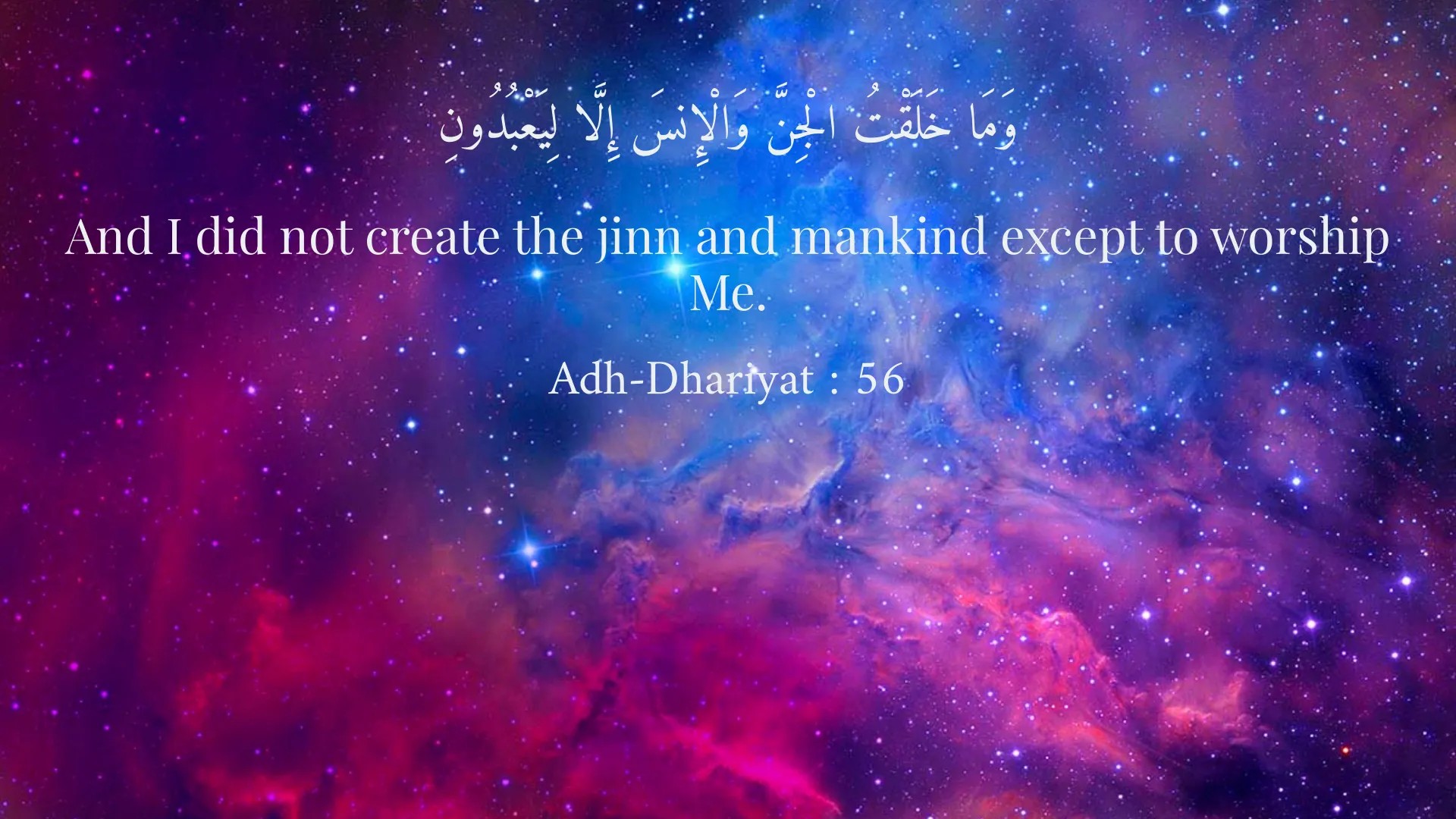
The feeling of uselessness, especially in the quiet and calm of the night, is an experience many people encounter at different stages of their lives. This feeling can stem from various factors, ranging from extreme fatigue and daily stresses to deeper spiritual and existential needs that may have been lost in the hustle and bustle of the day. From the perspective of the Holy Quran, such feelings, however challenging, can serve as an opportunity for deeper reflection on the meaning of life and humanity's place in existence. The Quran repeatedly emphasizes that worldly life is transient and fleeting, and the primary purpose of human existence is servitude to and closeness with God, not merely achieving material successes or temporary worldly satisfactions. When a person forgets their main purpose of creation or bases their self-worth solely on external achievements, feelings of emptiness or uselessness may creep in during moments of solitude and silence. This feeling is not an indicator of worthlessness; rather, it can be a warning sign to re-evaluate priorities and return to the true source of peace. The Holy Quran explicitly states that humanity was created for a noble purpose. In Surah Adh-Dhariyat, verse 56, it states: "And I did not create the jinn and mankind except to worship Me." This foundational verse establishes the existential purpose of humanity as servitude and worship of God. Worship here does not solely mean performing religious rituals but encompasses all aspects of human life carried out with a divine intention and in pursuit of God's pleasure; this includes daily work and effort, serving others, and even moments of contemplation and reflection. When we integrate this noble purpose into our lives, every action, no matter how small, gains profound meaning, and the feeling of uselessness becomes irrelevant, as every moment of life can be a manifestation of worship and servitude. Night, with its tranquility and silence, provides a suitable setting for this re-evaluation and remembrance of the ultimate purpose. It is during this time that a person can be alone with themselves, set aside external noises, and listen to the inner voice that calls them towards their Creator. One of the most effective ways to overcome the feeling of uselessness is the remembrance of Allah (Dhikrullah). In Surah Ar-Ra'd, verse 28, the Quran states: "Those who have believed and whose hearts are assured by the remembrance of Allah. Unquestionably, by the remembrance of Allah hearts are assured." This verse strongly emphasizes the power of remembering God in alleviating inner anxieties and worries. In the darkness of night, when the mind might be more inclined towards negative thoughts, the remembrance of God acts like a light that illuminates the heart and restores a sense of peace and purpose. This remembrance can be through reciting the Quran, making supplications (Dhikr), prayer (Salat), and Du'a. Night prayers (Salat al-Layl) and intimate supplications in the stillness of the night offer a unique opportunity for deep connection with the Creator of the universe and for unburdening the heart from all sorrow and despair. When a person humbly stands before the majesty of their Lord and whispers to Him, they feel that they are not alone, and their entire being becomes filled with meaning and purpose. This connection restores a sense of belonging and worth to the individual. Furthermore, the Quran teaches us that life is a stage for trials and tests, and every human being will face challenges and difficulties. In Surah Al-Baqarah, verse 155, we read: "And We will surely test you with something of fear and hunger and a loss of wealth and lives and fruits, but give good tidings to the patient." The feeling of uselessness can be one form of these tests. Patience and perseverance in the face of such feelings, and striving to change one's perspective on life and find its divine meaning, is a form of spiritual struggle (jihad al-nafs). Any effort made to draw closer to God, no matter how seemingly small, is immense in His sight. In Surah An-Nisa, verse 124, it is stated: "And whoever does righteous deeds, whether male or female, while being a believer - those will enter Paradise, and will not be wronged, [even by as much as] the speck on a date seed." This verse indicates that no good deed, no intention, and no effort to improve one's spiritual state will be fruitless. Allah rewards even the smallest good deeds and knows every individual with all their essence and endeavors. Therefore, the feeling of uselessness has no place when confronted with Divine majesty and the purposeful nature of creation. To overcome this feeling, one can turn to acts at night that bring the heart closer to God. Reflection on divine signs in the universe and within oneself, contemplation of the Quran, repentance and seeking forgiveness (Istighfar), and seeking help from Allah through prayer and supplication (as mentioned in Surah Al-Baqarah, verse 45: "And seek help through patience and prayer, and indeed, it is difficult except for the humbly submissive [to Allah]"), all can help a person escape the grip of this feeling. Let us remember that Allah is too Merciful to create His servant without purpose or value. Every human being, with all their shortcomings and imperfections, is valuable in the sight of Allah and can rediscover the true meaning of their existence by returning to Him and being filled with divine light. Ultimately, nights are opportunities for self-rejuvenation, strengthening faith, and renewing one's covenant with the Lord, not a time to drown in despairing thoughts.
Related Verses
وَمَا خَلَقْتُ الْجِنَّ وَالْإِنسَ إِلَّا لِيَعْبُدُونِ
And I did not create the jinn and mankind except to worship Me.
Adh-Dhariyat : 56
الَّذِينَ آمَنُوا وَتَطْمَئِنُّ قُلُوبُهُم بِذِكْرِ اللَّهِ ۗ أَلَا بِذِكْرِ اللَّهِ تَطْمَئِنُّ الْقُلُوبُ
Those who have believed and whose hearts are assured by the remembrance of Allah. Unquestionably, by the remembrance of Allah hearts are assured.
Ar-Ra'd : 28
وَاسْتَعِينُوا بِالصَّبْرِ وَالصَّلَاةِ ۚ وَإِنَّهَا لَكَبِيرَةٌ إِلَّا عَلَى الْخَاشِعِينَ
And seek help through patience and prayer, and indeed, it is difficult except for the humbly submissive [to Allah].
Al-Baqarah : 45
وَمَن يَعْمَلْ مِنَ الصَّالِحَاتِ مِن ذَكَرٍ أَوْ أُنثَىٰ وَهُوَ مُؤْمِنٌ فَأُولَٰئِكَ يَدْخُلُونَ الْجَنَّةَ وَلَا يُظْلَمُونَ نَقِيرًا
And whoever does righteous deeds, whether male or female, while being a believer - those will enter Paradise, and will not be wronged, [even by as much as] the speck on a date seed.
An-Nisa : 124
Short Story
It is narrated in Saadi's Gulistan that a dervish, despite having ragged clothes and a humble dwelling, possessed a heart full of peace. One night, the village chief, who was wealthy and restless in his soft bed, troubled by a thousand thoughts, came upon the dervish. He asked him, "O dervish, how is it that you sleep so soundly and peacefully, while I, with all my possessions, find no rest for a moment?" The dervish replied, "O noble sir, I have entrusted my heart to the Creator of existence and am beholden to nothing. Whatever I have is from Him, and whatever I lack, I know is by His wisdom. Therefore, day and night, I am neither saddened by what I possess nor troubled by what I do not. The tranquility of my heart comes from knowing that I am on the path of servitude to God, and I know that every step I take, whether small or large, holds value in His presence. If you, too, release your heart from worldly attachments and turn to your Creator, your nights will be filled with peace, and your being will overflow with meaning, free from any feeling of uselessness."