Quranic Answer
Self-disgust is an intricate and deeply personal emotion experienced by many individuals at some point in their lives. The sensation of feeling repelled by one's own thoughts, actions, or character can stem from various sources, including societal pressures, personal failures, and moral dilemmas. Among the many factors contributing to the development of self-disgust, a profound one is the deviation from ethical and moral values emphasized in religious texts, such as the Holy Quran. This article delves into the reasons behind self-disgust, exploring the teachings of the Quran and how they can guide individuals toward self-awareness, self-improvement, and ultimately, a healthier relationship with themselves. The Quran serves as a moral compass for Muslims, urging them to adhere to divine commandments and ethical principles. When individuals find themselves straying from these values, it can lead to a sense of dissonance within themselves. This dissonance often evokes feelings of guilt and remorse, culminating in self-disgust. The Quran reinforces this notion in Surah Al-Baqarah, where Allah reminds humanity that, 'And if you should be a man of faith,' (Surah Al-Baqarah, Verse 21). This verse highlights that when individuals deviate from their beliefs or engage in behavior that goes against their moral fabric, it fosters a sense of contempt towards oneself. The disconnection between one's actions and their beliefs creates an inner conflict that is challenging to navigate. Moreover, the Quran emphasizes the importance of self-reflection and awareness as a path toward spiritual and personal growth. In today's fast-paced world, many people find themselves caught up in the hustle and bustle of life, often neglecting the need for introspection. Engaging in self-reflection allows individuals to confront their weaknesses, assess their actions, and identify areas for improvement. In Surah Ar-Ra'd, the Quran states, 'Indeed, Allah does not change the condition of a people until they change what is within themselves.' (Surah Ar-Ra'd, Verse 11). This powerful verse suggests that external circumstances are inherently tied to one’s internal state. If someone experiences self-disgust, it serves as an indicator that they need to look inward and evaluate their behaviors void of self-deception. Beyond the emotional ramifications of self-disgust, it also plays a pivotal role in the cycle of self-perception and development. When individuals feel disgusted with themselves, it can lead to withdrawal from social situations, avoidance of challenges, and a general decline in self-esteem. This negative self-image can perpetuate a vicious cycle of disappointment and further disengagement from one’s values and beliefs. Therefore, addressing the root causes of self-disgust is vital for restoring a positive self-image and rebuilding one’s relationship with themselves. The Quran offers guidelines to navigate through feelings of self-disgust. One crucial aspect is the practice of repentance, known as Tawbah. Repentance in Islam involves acknowledging one's shortcomings, seeking forgiveness from Allah, and making a sincere commitment to change. Engaging in this practice helps cleanse the heart and mind from feelings of remorse, thus fostering a renewed sense of identity grounded in faith and ethical conduct. Fostering this spiritual connection can significantly aid individuals in transforming feelings of self-disgust into opportunities for growth and improvement. In addition to solidifying one’s faith, the Quran encourages acts of kindness and service to others. Engaging in altruistic behavior can help shift the focus away from self-loathing and instead foster a sense of purpose and fulfillment. Helping others not only reinforces moral values but also promotes a greater sense of connection and belonging within community circles. The Quran tirelessly encourages believers to treat others with compassion and respect, creating an environment that fosters mutual support and healing. This communal aspect can act as a catalyst for individuals grappling with self-disgust, as support from others can help uplift their morale and encourage personal reform. The journey toward overcoming self-disgust is not a linear path; it can be fraught with setbacks and challenges. However, the teachings of the Quran instill hope and direction for those seeking to overcome their feelings of revulsion toward themselves. Developing a routine of prayer and reflection can sustain motivation and foster a deeper understanding of self-worth rooted in spirituality. Believers can leverage the healing verses of the Quran to combat negative self-perceptions, embedding its message within their hearts as a reminder of their intrinsic value. Furthermore, cultivating a community of support and accountability is vital in tackling self-disgust. Surrounding oneself with like-minded individuals who share similar values can create an environment ripe for personal healing and growth. Mutual encouragement and shared experiences can yield transformative benefits, empowering individuals to strive for betterment and embrace their spiritual and ethical commitments. In conclusion, self-disgust is a complex emotional experience that can stem from a variety of factors, chiefly the deviation from moral and ethical values outlined in the Quran. This sacred text acts as a guide, encouraging individuals to reflect upon their lives and align their actions with their beliefs. By fostering self-awareness, practicing repentance, engaging in acts of kindness, and creating supportive communities, individuals can navigate the intricate emotions of self-disgust. The teachings of the Quran provide foundational wisdom for personal and spiritual development, ultimately leading to a healthier and more positive self-relationship. Thus, understanding the roots of self-disgust and actively working to rectify internal disparities is crucial in the quest for self-acceptance and peace.
Related Verses
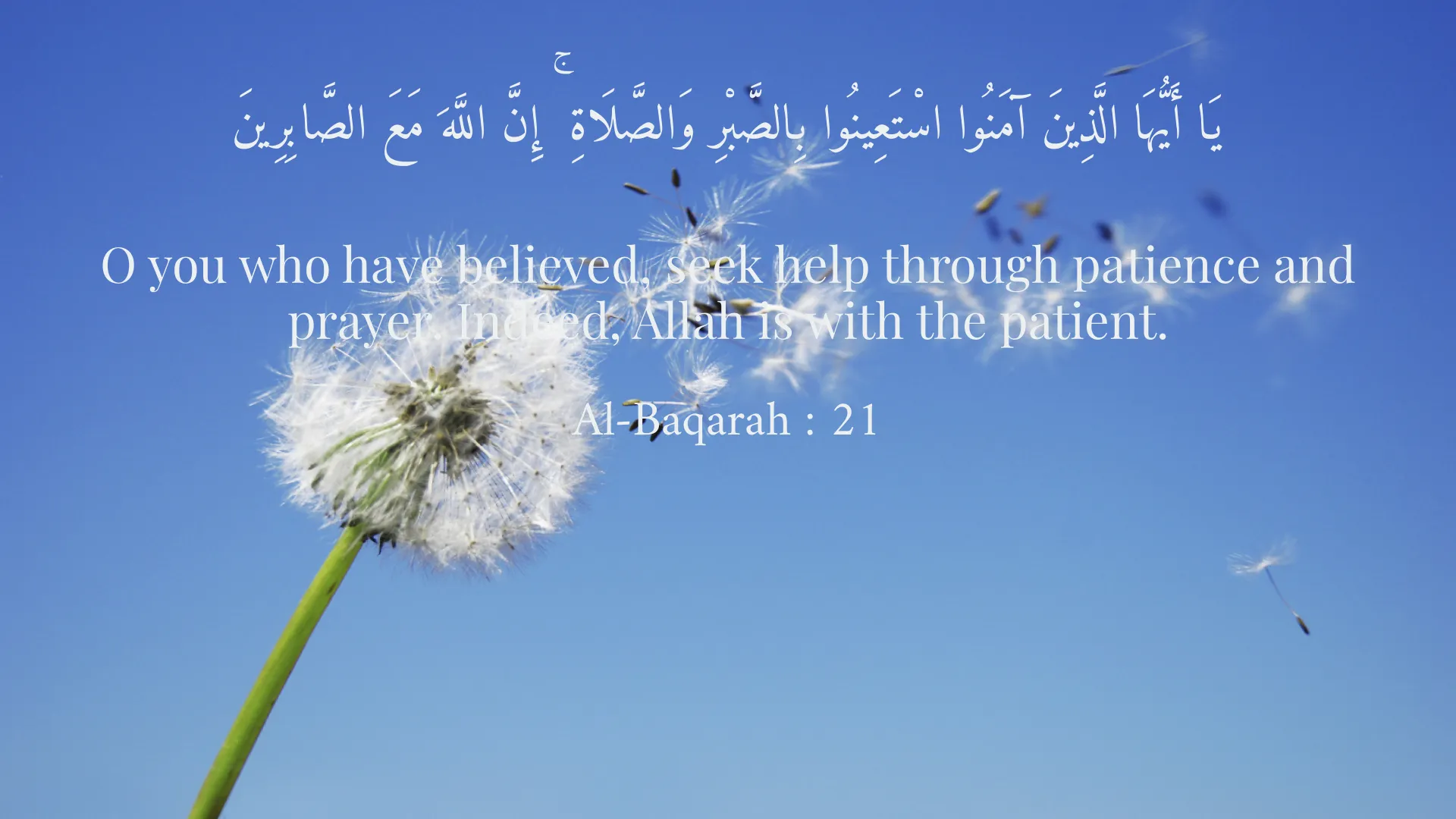
يَا أَيُّهَا الَّذِينَ آمَنُوا اسْتَعِينُوا بِالصَّبْرِ وَالصَّلَاةِ ۚ إِنَّ اللَّهَ مَعَ الصَّابِرِينَ
O you who have believed, seek help through patience and prayer. Indeed, Allah is with the patient.
Al-Baqarah : 21
إِنَّ اللَّهَ لَا يُغَيِّرُ مَا بِقَوْمٍ حَتَّى يُغَيِّرُوا مَا بِأَنفُسِهِمْ
Indeed, Allah does not change the condition of a people until they change what is within themselves.
Ar-Ra'd : 11
Short Story
Once upon a time, there was a man named Hassan who was reflecting on his life. He felt disgusted with himself but didn't know why. He recalled the Quran and decided to return to himself. Hassan repented for his sins and tried to get closer to God. After that, he found more peace and happiness and was no longer disgusted with himself.