Quranic Answer
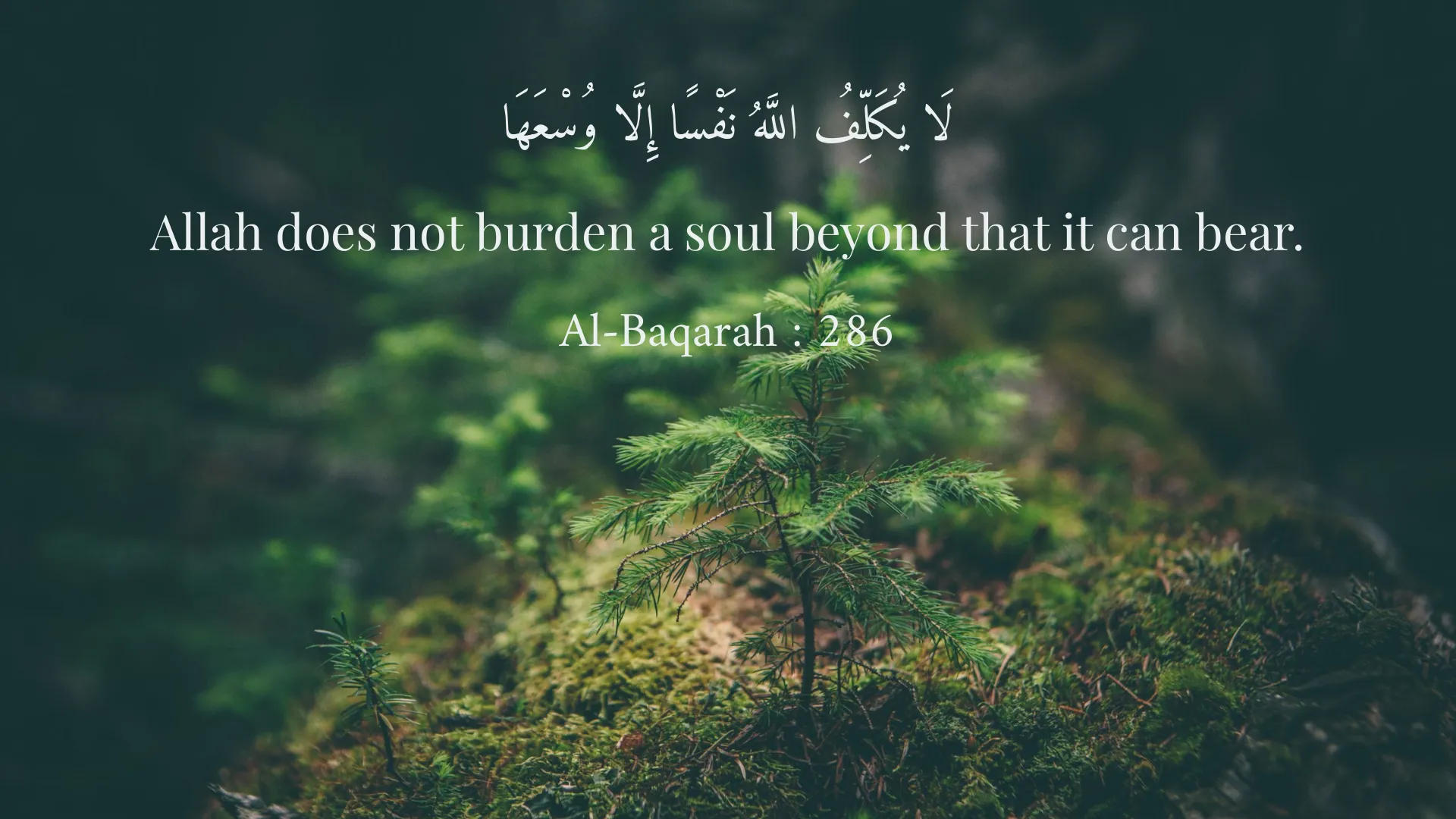
Worship is one of the fundamental tenets of Islam, and it plays a significant role in the daily lives of millions of Muslims around the world. However, it is not uncommon for some individuals to feel that their worship practices have become burdensome. This sense of burden can be attributed to various factors, including a lack of understanding of worship, the pressures of modern life, and difficulties in maintaining a balance between daily responsibilities and spiritual obligations. The Holy Quran serves as a guidebook for Muslims, providing insights on how to live a fulfilling lifestyle while maintaining a strong spiritual connection. One of the key messages conveyed in the Quran is that Allah assigns duties to each person according to their capacity and ability. This principle is eloquently encapsulated in Surah Al-Baqarah, verse 286, which states: 'Allah does not burden a soul beyond that it can bear.' This verse establishes the foundation for understanding how worship should be approached in a way that is manageable and aligned with individual circumstances. The concept of worship in Islam transcends mere ritualistic actions; it includes an entire way of life that encompasses one's thoughts, words, and deeds. However, for some individuals, the rituals associated with worship—such as prayer, fasting, and charity—may start to feel like an overwhelming obligation rather than a fulfilling practice. The reasons for this discomfort can often be traced back to a lack of understanding about the purpose and positive effects of worship. When individuals fail to recognize the significance of worship in their lives, they may view it merely as a chore that interrupts their routines. The positive impacts of worship—such as inner peace, community building, and spiritual growth—can easily be overlooked. Consequently, those who are not aware of the benefits may struggle with the rigors of religious obligations, leading to feelings of resentment and frustration. Additionally, the pressures of modern life can contribute to the perception of worship being burdensome. Today’s fast-paced lifestyle often emphasizes productivity and success, which can lead people to prioritize worldly achievements over their spiritual practices. For example, an individual who is consumed with work may find it increasingly challenging to dedicate time to prayer or reflection. When the pressures of life mount, the weight of worship obligations can feel overwhelming, making it even harder to engage in these spiritual practices. The concept of balance is crucial in the context of worship. For individuals caught up in the whirlwind of daily life, it’s easy to lose sight of the importance of spiritual nourishment. A person who dedicates all their time and energy to working without recognizing their spiritual needs may feel a sense of exhaustion when it’s time for worship. In contrast, those who cultivate a healthy balance between worldly responsibilities and spiritual obligations can find that their worship becomes a source of refuge and rejuvenation. One effective way to mitigate the feeling of pressure during worship is by consciously taking care of one’s spiritual and mental well-being. This includes setting aside appropriate times for worship and creating an environment conducive to spiritual reflection. Instead of viewing worship as an interruption, individuals can learn to integrate it into their daily routine in a way that flows naturally. For example, breaking down daily prayers into manageable segments or incorporating moments of gratitude and reflection throughout the day can help maintain spiritual engagement without feeling burdensome. Furthermore, engaging in communal worship can also alleviate the sense of isolation that some individuals may experience. By participating in group prayers or community events, individuals can strengthen their bonds with fellow believers, fostering a sense of belonging and support. This communal aspect of worship can make the experience more enjoyable and fulfilling, transforming it into a source of joy rather than a chore. Ultimately, the journey towards realizing the true essence of worship involves striving to develop a deeper connection with Allah. Migration towards Allah, both metaphorically and spiritually, can lead to significant shifts in how individuals perceive their religious obligations. The more one cultivates a relationship with Allah, the more worship shifts from a feeling of obligation to an act of love and devotion. By understanding the transformative power of worship and approaching it with the right mindset, individuals can unlock the deeper benefits of these practices and find solace and satisfaction within them. When worship is viewed as an opportunity for connection, growth, and inner peace, it becomes a seamless part of life rather than an arduous task. In conclusion, while worship is an essential element of Islam, it is vital to recognize that it should not be a source of burden or stress. By understanding the individual capacity for worship, maintaining a balance with worldly life, and fostering a deeper connection with Allah, believers can transform their worship into an uplifting and enriching experience. As Muslims, the goal should always be to seek a harmonious relationship between faith and daily living, allowing worship to flourish as a natural and cherished part of life.
Related Verses
لَا يُكَلِّفُ اللَّهُ نَفْسًا إِلَّا وُسْعَهَا
Allah does not burden a soul beyond that it can bear.
Al-Baqarah : 286
وَ اصْبِرْ نَفْسَكَ مَعَ الَّذِينَ يَدْعُونَ رَبَّهُمْ بِالْغَدَاةِ وَالْعَشِيِّ يُرِيدُونَ وَجْهَهُ
And be patient over your duty to your Lord and do not be like those of the companions of the fish when they called and he went away angry.
Al-Kahf : 28
Short Story
One day, a man named Hasan felt a heaviness in his acts of worship. He approached a religious scholar and asked, 'Why has worship become hard for me?' The scholar replied, 'Dear Hasan, everything in life needs balance. If you let your worldly matters crowd your time for worship, you will certainly feel the burden. Just allocate specific time for your worship and try to establish a better connection with Allah.' Hasan followed this advice, and gradually, he began to feel more at ease in his acts of worship.