Quranic Answer
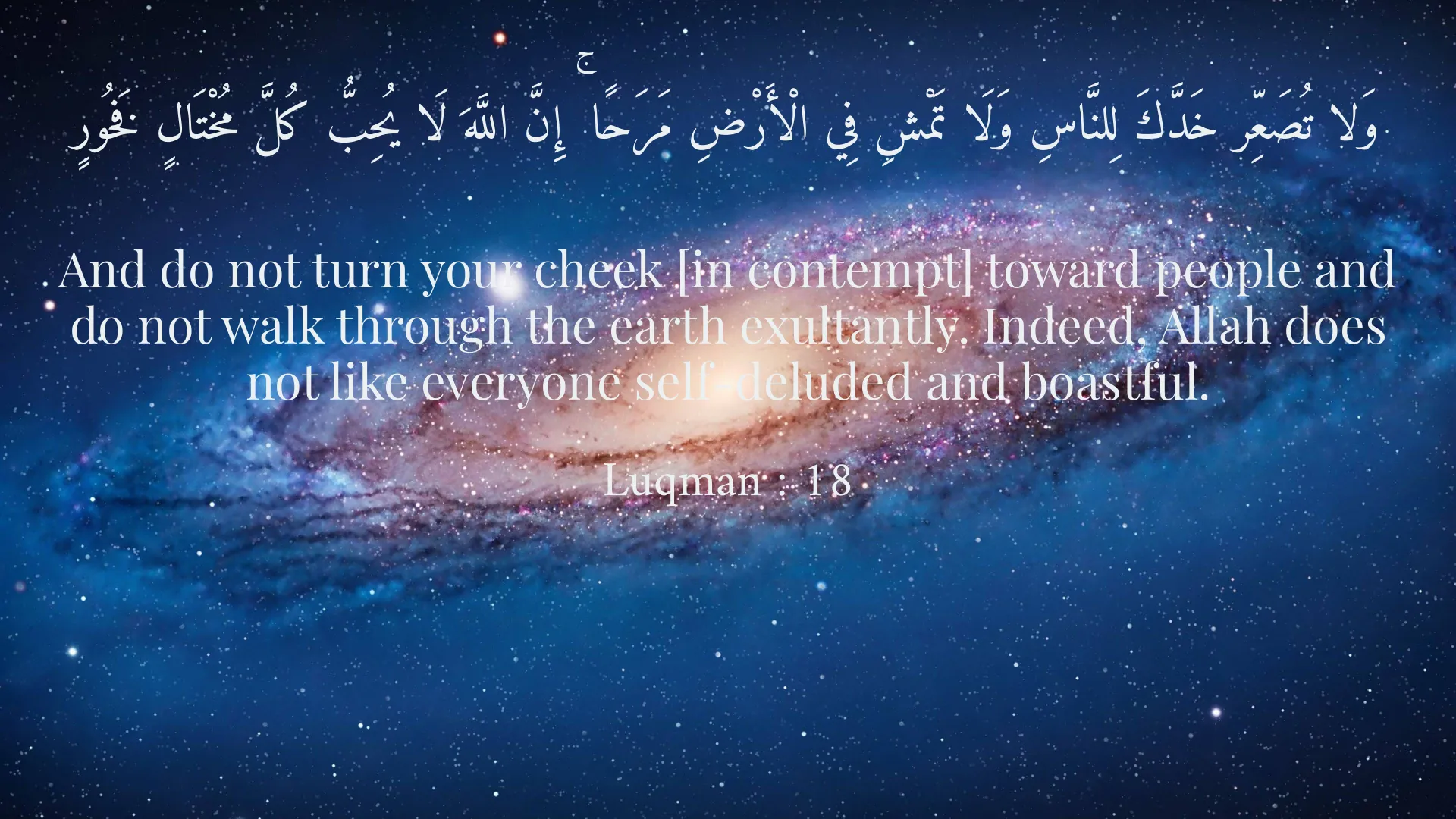
Arrogance is a trait that has been discussed and criticized throughout history, appearing in various cultures and religions. Its roots can often be traced back to a perceived sense of superiority over others, which in turn leads individuals to deny or overlook the truth about themselves and the world around them. This article aims to delve deeper into the theme of arrogance, particularly from an Islamic perspective, drawing insights from the Quran and its teachings. Arrogance, in its essence, is an inflated sense of self-importance, often accompanied by disdain for others. It manifests in various ways including boasting, a lack of empathy, and a refusal to accept one's flaws. The Quran addresses this concept in several verses, highlighting its dangers and calling for a greater sense of humility and respect for one another. In Surah Luqman, verse 18, Allah admonishes believers: "And do not turn your cheek [in contempt] toward people and do not walk through the earth exultantly." This admonition serves as a powerful reminder about how one should conduct themselves in the presence of others. It reflects the idea that nobody should underestimate themselves, but at the same time, they should not allow their sense of self-worth to elevate them to a position of arrogance. Pride is often a false sense of elevation—a belief that one is inherently better than others, which is antithetical to the very foundation of Islamic teachings that promote equality among humanity. The verse effectively warns against the dangers of arrogance that can lead individuals to alienate themselves from others and even distance themselves from God's mercy. When one elevates themselves above those around them, they risk severing important social bonds and relationships, undermining the very fabric of community and compassion that Islam promotes. Furthermore, the story of Iblis, referenced in Surah Al-Baqarah, verse 34, serves as a narrative exemplifying the perils of arrogance. Iblis, a once-noble creation, refused to prostrate to Adam due to his belief that he was superior because of his origins. His arrogance was not merely a mental state; it resulted in a profound moral and spiritual failure that led to his fall from grace. This Quranic narrative serves as an archetypal warning against the dangers of allowing arrogance to dictate behavior and beliefs, reminding believers that it can severely impact their moral compass and connection with God. A common source of arrogance is found in the fleeting nature of worldly success. Achievement, wealth, and power can easily lead individuals to believe they have reached a higher status that places them above others. However, the Quran explicitly reminds humanity that these worldly metrics are not the ultimate gauge of a person’s worth. In fact, the Prophet Muhammad (peace be upon him) taught that nobility in Islam is derived not from material possessions but from piety and good character. This calls for an introspective look at our values and actions, urging us to reassess where we derive our sense of self-worth. Humility is fundamentally entwined with the principles of justice and equality in Islam. The Quran emphasizes that all individuals are created equal before Allah, as stated in Surah Al-Hujurat, verse 13: "O mankind, indeed We have created you from male and female and made you peoples and tribes that you may know one another. Indeed, the most noble of you in the sight of Allah is the most righteous of you. Indeed, Allah is Knowing and Acquainted." This verse underscores that true nobility stems from righteousness and the attitude of humility, recognizing our shared humanity rather than any superficial differences. In combating arrogance, one must cultivate a sense of gratitude and awareness that the blessings one possesses are ultimately from God. The practices of acknowledging the contributions of others and demonstrating kindness can also help dissolve a sense of superiority. Recognizing the fragility of life and how quickly circumstances can change serves as a humbling reminder that no one is inherently better than another based solely on their circumstances. In practical terms, humility should be practiced actively in everyday life. This means engaging with others respectfully, listening earnestly, and appreciating diverse perspectives. It can also mean stepping back to reflect on one’s actions, asking oneself whether behaviors exhibit arrogance or humility. The narrative of humility does not imply self-deprecation; rather, it is an acceptance of one’s own worth while simultaneously respecting and valuing others. The societal implications of arrogance extend beyond the self; they can alter social dynamics, leading to division and strife. When people act out of arrogance, it breeds resentment and conflict. The principles imparted in the Quran implore us to foster community through humility and compassion, as these are what bind society together. By recognizing our common humanity and shared goals, individuals are encouraged to uplift one another rather than compete for superiority. In conclusion, arrogance is not merely an individual failing but a broader societal concern that affects moral behavior and the fabric of community life. The Quran stresses the importance of humility, equality, and respect for others, emphasizing that true worth and nobility come from righteousness and character rather than wealth or status. Engaging in self-reflection, practicing gratitude, and embedding humility into our daily interactions are not only vital for personal growth but necessary for a harmonious society. Thus, recognizing that greatness is found not in arrogance but in our ability to treat others with dignity and respect is fundamental to embodying true Islamic values. As believers, let us strive to cultivate humility in our lives, ensuring that we do not fall prey to arrogance, but instead honor our bonds with each other in genuine equality before our Creator.
Related Verses
وَلا تُصَعِّر خَدَّكَ لِلنَّاسِ وَلَا تَمْشِ فِي الْأَرْضِ مَرَحًا ۚ إِنَّ اللَّهَ لَا يُحِبُّ كُلَّ مُخْتَالٍ فَخُورٍ
And do not turn your cheek [in contempt] toward people and do not walk through the earth exultantly. Indeed, Allah does not like everyone self-deluded and boastful.
Luqman : 18
وَإِذْ قُلْنَا لِلْمَلَائِكَةِ اسْجُدُوا لِآدَمَ فَسَجَدُوا إِلَّا إِبْلِيسَ أَبَىٰ وَاسْتَكْبَرَ وَكَانَ مِنَ الْكَافِرِينَ
And [mention] when We said to the angels, 'Prostrate to Adam,' and they prostrated, except for Iblis. He refused and was arrogant and became of the disbelievers.
Al-Baqarah : 34
Short Story
Once upon a time, there was a man named Ahmad living in a wealthy community. He often laughed at others and considered himself above them. One day, while passing through the market, a poor man stood next to him and asked for help. Ahmad ignored him and continued on his way. Suddenly, someone in his circle recognized him and said, 'This person is also a creation of God, do not disregard him!' This statement made Ahmad ponder and realize that his sense of superiority was entirely wrong, and he should see everyone as equal in the presence of God.