Quranic Answer
The Holy Quran is a profound guide that offers wisdom for all aspects of life. It doesn't merely provide rules and regulations but also delves deep into the human psyche, highlighting the distractions and temptations that can lead individuals away from the righteous path. A recurring theme throughout the Quran is the reminder of our duty to remember Allah and stay vigilant against the inclinations of our hearts—inclinations that can lead us towards disdain for what is considered good and just. Throughout history, humanity has grappled with various stresses that create a sense of neglect towards the divine. In the hustle and bustle of modern life, many may find themselves caught up in the lure of worldly attachments. This could be the relentless pursuit of wealth, fame, or status. The constant bombardment of societal pressures can often divert our attention from spiritual enlightenment towards mere material achievements. Surah Al-Baqarah, verse 24 serves as a stark reminder of the consequences of placing worldly affairs above our love for Allah and His Messenger. The verse clearly warns that those who allow such distractions to take precedence in their lives should 'await His punishment.' This is not merely a warning but a call to reflection, urging individuals to reassess where their true loyalties lie. Moreover, in Surah Al-Mu'minun, verse 103, Allah uplifts those who contribute to righteousness, promising them a dignified place in the afterlife. This verse underscores the importance of good deeds which can elevate one's status, emphasizing that our actions in this world have eternal ramifications. This divine promise should serve as motivation for individuals to engage in acts of goodness, kindness, and charity. Unfortunately, ignorance and carnal desires often lead individuals to stray from God's choices, encouraging them to shun the good that brings inner peace and fulfillment to their lives. Surah An-Nahl, verse 107, serves as a poignant reminder of the consequences of ignoring goodness and truth; Allah speaks of divine punishment awaiting those who turn their backs on righteousness. This verse, along with the earlier references, establishes a connection between one's choices in life and their eventual spiritual outcome. The Quran makes it clear that our failure to embrace goodness stems from a self-interested nature. It is this self-interest that fosters an indifference towards good, pushing individuals towards a life of estrangement from divine guidance. In examining the reasons for aversion to good, it becomes apparent that modern society is rife with distractions that can easily lead individuals astray. Shiny advertisements, peer pressure, and societal norms project a narrative that can overshadow the importance of maintaining a strong spiritual foundation. With social media emphasizing individualism and success defined by material wealth, it can become all too easy to forget the essence of humility, self-restraint, and the remembrance of Allah. The narrative that prioritizes personal gain over collective well-being is further propagated by cultural influences. In many instances, the glorification of a me-centered lifestyle can breed apathy toward altruistic endeavors. People increasingly seek thrills and instant gratification, often at the expense of their spiritual obligations. This approach neglects the deeper, more fulfilling aspects of existence that come with a life centered around Allah’s love and guidance. To counteract these tendencies, the Quran repeatedly encourages believers to foster a connection with Allah through remembrance, prayer, and reflection. Time spent in remembrance allows individuals to recalibrate their priorities, reminding them of the temporary nature of the material world and the eternal nature of the Hereafter. Additionally, practices such as regular prayer (Salah), recitation of the Quran, and engaging in good deeds contribute to a stronger spiritual foundation, deterring individuals from falling prey to disdainful thoughts and actions. Despite the myriad distractions that life presents, the Quran illuminates a path toward happiness and goodness—one rooted in faith, spirituality, and the conscious acknowledgment of one's actions and their consequences. The choice to live a life filled with righteousness and obedience to Allah is a conscious decision that individuals must make daily. In conclusion, the teachings of the Holy Quran provide a roadmap for navigating the complex interplay between worldly life and spiritual devotion. By remaining vigilant against distractions, prioritizing our relationship with Allah, and committing to lives filled with good deeds, we can overcome the challenges posed by ignorance and carnal desires. All humans have a choice, and by choosing to remember Allah and adhere to goodness, they pave the way not only for a fulfilling life in this world but also a revered station in the afterlife. The acknowledgment of these truths is paramount for anyone striving for a life enriched with divine wisdom and happiness.
Related Verses
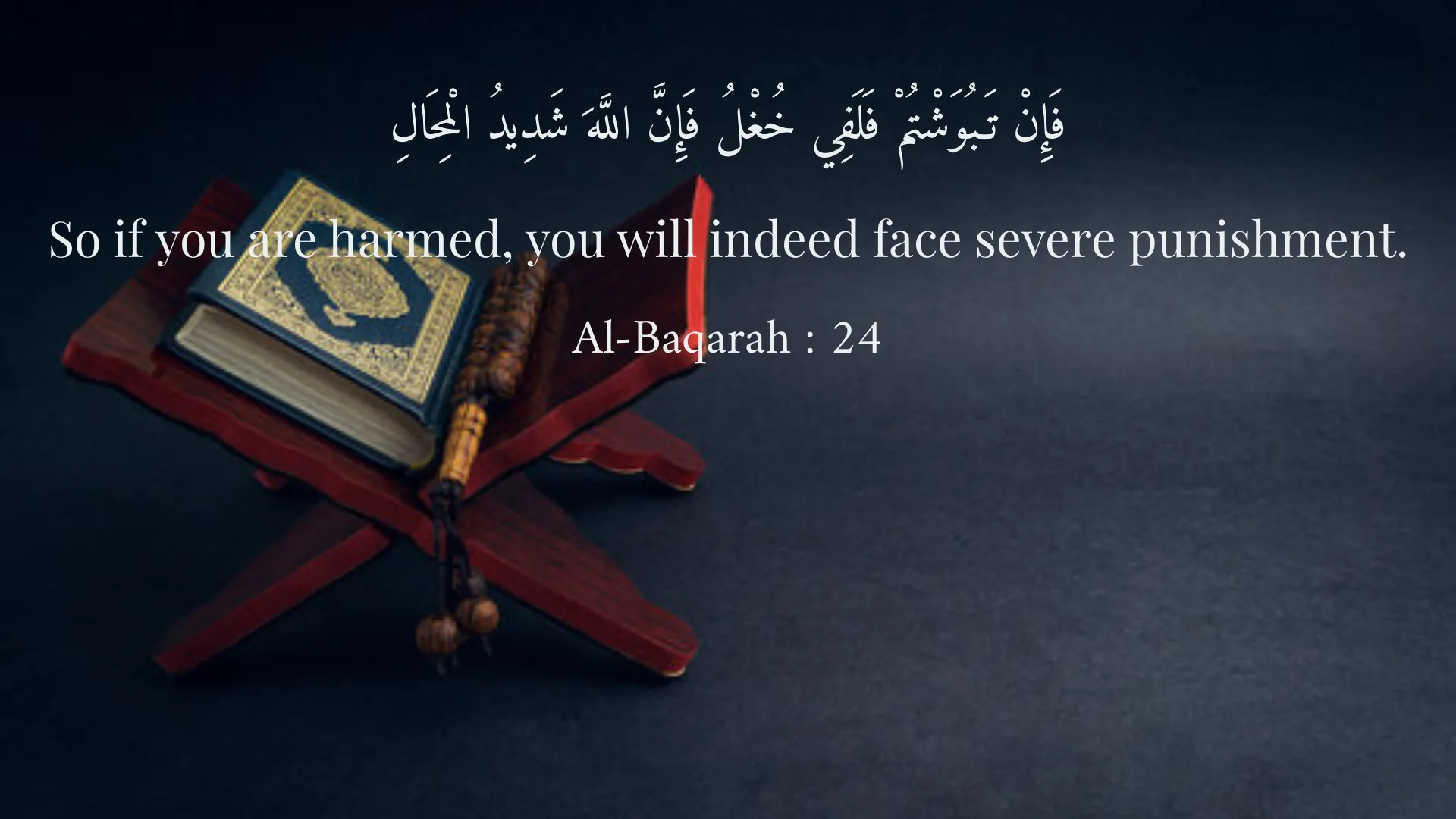
فَإِنْ تَـبُوَشْتُمْ فَلَفِي خُغْلُ فَإِنَّ اللَّهَ شَدِيدُ الْمِحَالِ
So if you are harmed, you will indeed face severe punishment.
Al-Baqarah : 24
وَأَمَّا الَّذِينَ أُوتُوا وَزْنَهُمْ فَإِنَّهُمُ فِي جَنَّاتٍ خَالِدُونَ
And those who are given their weight will be in eternal gardens.
Al-Mu'minun : 103
مَا عَدْلٌ بِهِ شَرٌّ إِلَيْهِ وَمَا يَعْلَمُونَ
This is not evil, they do not know.
An-Nahl : 107
Short Story
One day, a man named Ahmad was analyzing his life. He wondered why some of his friends steered away from goodness. While speaking with one of his friends, he recalled a verse from the Quran and realized that worldly life had distracted some individuals from goodness. Hence, Ahmad decided to pray every morning and encourage his friends to remember Allah and not turn away from good. In this way, he was able to gather a group of friends to engage in righteous deeds.