Quranic Answer
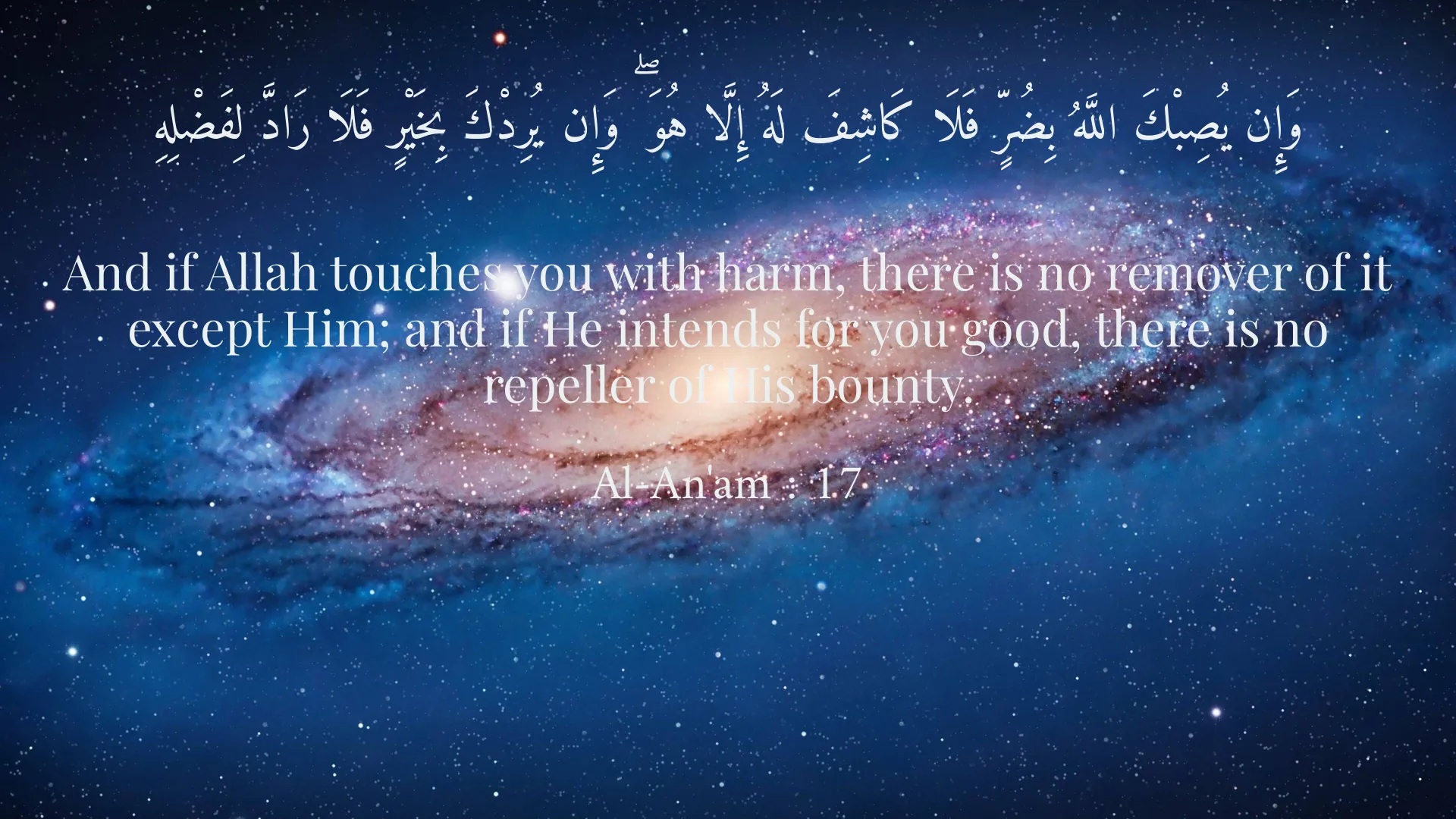
The Holy Quran, as a foundational text of Islam, offers profound insights into the nature of human success and failure. These insights are often grounded in spiritual reflections and demonstrate a deep connection between human actions and divine will. Understanding these teachings can provide a transformative perspective on how individuals navigate their life journeys and confront the various challenges they encounter. This article aims to explore the concepts of success and failure as presented in the Quran, emphasizing the divine influence on human affairs, the significance of personal effort, and the ultimate definition of true success. ### The Divine Will in Human Affairs One of the most significant teachings of the Quran regarding success and failure is encapsulated in the idea that all outcomes are ultimately determined by God's will. In Surah Al-An'am, verse 17, it is stated: "And if Allah touches you with harm, there is no remover of it except Him; and if He intends for you good, there is no repeller of His bounty." This verse underscores a critical element of the Islamic worldview: that all power and influence in the universe rest with Allah. The implication here is that while humans may pursue various courses of action and exert effort toward their goals, the ultimate success or failure in any endeavor resides in God's hands. The concept articulated in this verse is particularly comforting and grounding for believers. It suggests that life's challenges, trials, and tribulations are not mere accidents of fate but are part of a larger divine plan. Many individuals may experience personal hardships or unfulfilled ambitions despite their tireless efforts. This perspective encourages patience and resilience, as it reminds believers to maintain faith in God’s wisdom and to trust that there is a purpose behind every hardship. Understanding that success does not always equate to worldly achievements can elevate one's spirit and instill hope even in difficult times. ### Accountability and Individual Capacity In Quranic discourse, human beings are also taught about the importance of personal responsibility and accountability. Surah Al-Baqarah, verse 286 states: "Allah does not burden a soul beyond that it can bear." This verse reinforces the idea that while individuals may face challenges, these challenges are proportionate to their personal capacities and circumstances. This principle of fairness is crucial, as it implies that each person is equipped with the strength and resilience necessary to confront their trials. What this means is that success should not be measured purely on the basis of outcomes, but rather through the willingness and effort one expends in striving for their goals. A person may labor intensely and still not achieve the desired results; however, the effort itself is valued. This exhortation encourages individuals to recognize their own potentials and capacity for growth. It prompts believers to engage actively with their circumstances, striving to push boundaries while also being mindful of their mental and emotional limits. ### True Success: Beyond Material Achievement The Quran prompts a redefinition of success that transcends mere material accomplishments. In a world driven by societal expectations and benchmarks of success often tied to wealth and status, Islamic teachings suggest a deeper inquiry into what true success entails. This understanding is supported by various verses in the Holy Quran that emphasize spiritual fulfillment, inner peace, and the attainment of Allah's pleasure as primary indicators of a successful life. Ultimately, success is not solely measured by one’s financial position or public accolades, but rather through one’s relationship with God and the moral integrity of one’s actions. Achieving inner peace through faith, living a life of righteousness, and engaging in acts of charity and compassion encapsulates the true essence of success as taught in Islam. An individual who may not succeed in a conventional sense, perhaps facing poverty or societal disapproval, could still attain great success in the sight of Allah by embodying virtue and integrity. ### The Role of Intention and Effort Another important aspect of success articulated in the Quran revolves around the concept of intention. The famous Hadith of Prophet Muhammad (peace be upon him) states that actions are judged by intentions, which resonates with the broader teachings of the Quran highlighting that effort matters regardless of the outcome. This ties back into the verses discussed earlier, where one's own endeavors must indeed reflect their sincere intentions and abiding faith in divine wisdom. When individuals approach their tasks with a sincere heart and a genuine desire for goodness—whether that be in the workplace, in personal relationships, or in community engagement—they align themselves with a path that is ultimately blessed by God. Hence, even if results do not align with individual desires, the integrity of efforts can lead to spiritual rewards and an elevated status in the eyes of Allah. ### Conclusion In summary, the Quran provides an expansive view on the themes of success and failure that encourages believers to cultivate faith in God’s overarching plan. While acknowledging divine sovereignty over all affairs, individuals are encouraged to pursue their aspirations with diligence and sincerity, balancing their efforts with a recognition of divine wisdom. The true essence of success, as articulated in Islamic teachings, encompasses spiritual fulfillment, genuine relationships, moral integrity, and contentment derived from one’s connection to God. Upholding these values can guide individuals toward achieving true success in their lives, regardless of the socio-economic measures that society may impose. By deeply engaging with these teachings, Muslims and believers of all backgrounds can foster resilience in the face of adversity, redefine their understanding of success, and find true peace in their spiritual journey.
Related Verses
وَإِن يُصِبْكَ اللَّهُ بِضُرٍّ فَلَا كَاشِفَ لَهُ إِلَّا هُوَ ۖ وَإِن يُرِدْكَ بِخَيْرٍ فَلَا رَادَّ لِفَضْلِهِ
And if Allah touches you with harm, there is no remover of it except Him; and if He intends for you good, there is no repeller of His bounty.
Al-An'am : 17
لَا يُكَلِّفُ اللَّهُ نَفْسًا إِلَّا وُسْعَهَا
Allah does not burden a soul beyond that it can bear.
Al-Baqarah : 286
Short Story
One day, a young man named Amir was working hard to succeed in life. He worked long hours but saw no results. One day, he went to the mosque and during prayer realized that perhaps true success lies in God's will. He decided to devote more time to prayer and connection with God, to see what divine plans unfolded for him. After some time, he noticed that although he had not achieved material success, he felt peace and happiness in his heart.