Quranic Answer
The concept of 'fear of God' in Islamic teachings is profound and should not be confused with mere terror or dread of punishment. This 'fear' (khashyah, taqwa) is rather an intense awareness of God's immense power, infinite knowledge, absolute justice, and boundless mercy. It stems from a deep understanding that one's ultimate destiny and eternal felicity rest solely in His Hands. When an individual internalizes this truth, the awe and majesty of the Divine naturally overshadow any other fear, rendering it insignificant. This is not a paralyzing fear, but a constructive one that propels a person towards obedience, righteousness, and avoidance of sin, ultimately bringing true peace and liberation. This khashyah is the fruit of firm faith and profound knowledge of the Creator. The deeper one's understanding of God, the greater their piety and reverence for His majesty, and consequently, the fear of anything other than Him becomes meaningless and unimportant. This is the point where a person reaches the peak of reliance and submission, directing all their attention and awe towards gaining the pleasure of the Almighty Creator, rather than fearing human judgment, criticism, or potential worldly losses. On the other hand, the fear of humans typically originates from worldly concerns: fear of losing social status, wealth, reputation, or fear of physical and psychological harm that people can inflict upon one another. These fears are often confined to this transient world, leading to temporary losses or gains that are ultimately fleeting and unstable. A person who fears God knows that absolute power belongs only to Him, and no human, however powerful or influential, can cause harm or benefit without divine permission and will. This profound realization bestows courage and freedom upon the individual, enabling them to speak truth even if it is to their disadvantage, to stand up against injustice, and to fear no one's blame in the path of God. The Holy Quran repeatedly emphasizes that believers should not fear humans, but should fear God alone and put their trust in Him. This form of taqwa and divine reverence is a force that keeps believers steadfast against satanic whispers, social pressures, and even life threats. When an individual reaches this level of faith, knowing that God's pleasure is paramount and its consequences are eternal and boundless, while the consequences of human displeasure are limited and finite, their priorities naturally shift. They are no longer concerned with public opinion, superficial judgments, or the loss of fleeting worldly interests, but instead focus all their efforts on preserving and enhancing their relationship with the unique Creator. The impact of this 'fear of God' on daily life is significant. A person who fears God abstains from sins in private and public, adheres to their promises, upholds honesty and justice in their dealings and relationships, and constantly engages in goodness and benevolence. This is because they know that God is an observer of their actions, and even the smallest intentions and deeds are not hidden from Him. This constant awareness of divine scrutiny leads to self-improvement, purification of the soul, and the development of moral virtues. In contrast, someone whose fear of humans is greater might feel free to commit sins in private, conceal the truth when facing authorities, or compromise their ethical and religious principles to gain others' approval. The difference between these two types of fear is the difference between eternal felicity and fleeting misery. Therefore, when the Quran and Hadith speak of 'fear of God,' they refer to that kind of fear, combined with knowledge and love, which propels a person towards perfection, sincere servitude, and ultimate proximity to the Divine. This fear is a source of peace for hearts, a guiding light for life's path, and a factor for salvation in this world and the hereafter, as it connects humans to the ultimate source of power and mercy and frees them from all false dependencies and fears. This freedom from worldly and human fears is the greatest blessing and fruit of divine reverence bestowed upon the true believer. It is here that an individual remains steadfast, even in the face of the most difficult trials and threats, because they are confident that a superior power and a just Ruler oversee all affairs, and the reward of those who trust Him will never be lost. Consequently, prioritizing the fear of God over any other fear is not just a religious obligation but a rational and ethical choice that paves the way for human life toward virtue and eternal success.
Related Verses
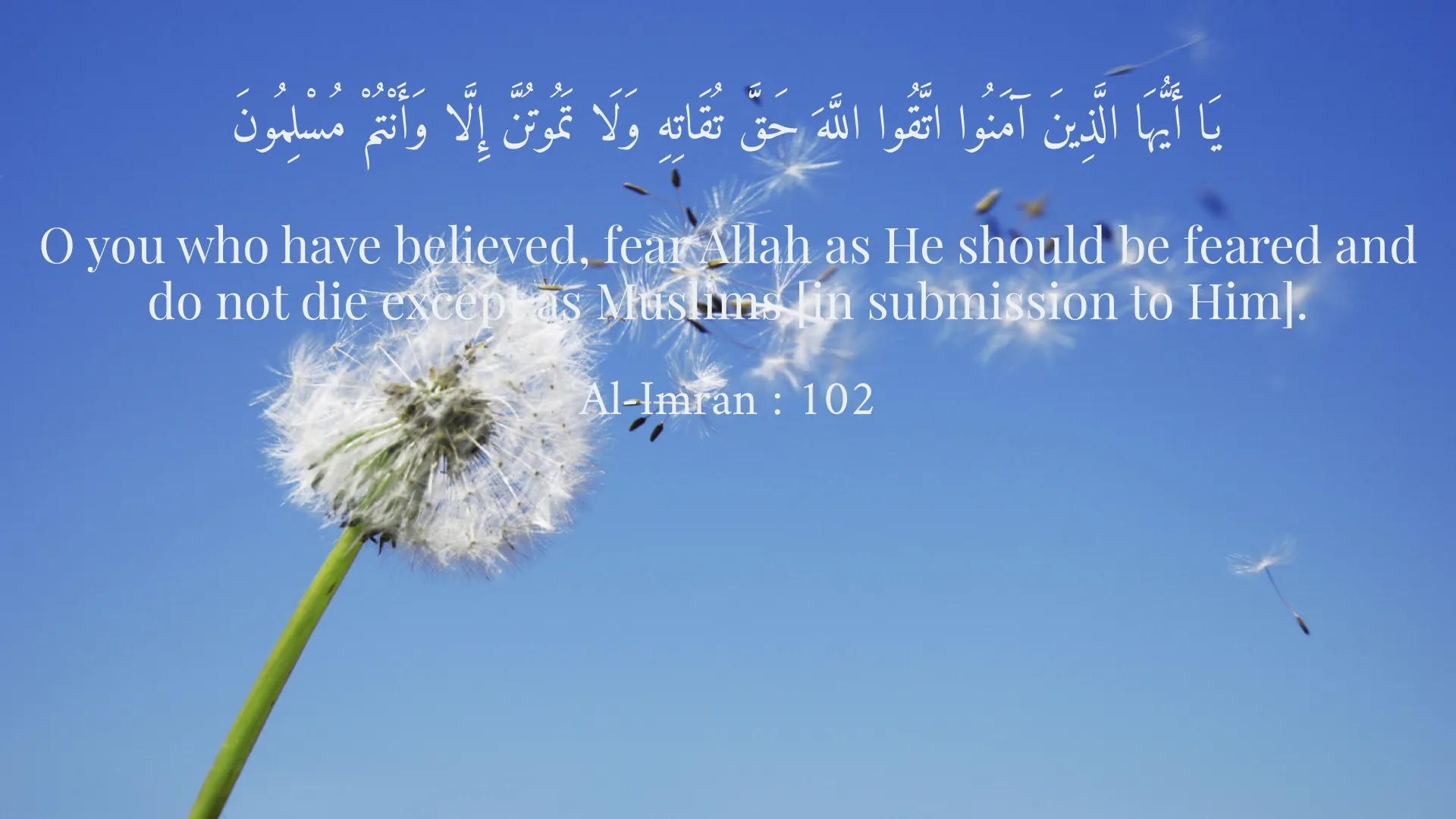
يَا أَيُّهَا الَّذِينَ آمَنُوا اتَّقُوا اللَّهَ حَقَّ تُقَاتِهِ وَلَا تَمُوتُنَّ إِلَّا وَأَنْتُمْ مُسْلِمُونَ
O you who have believed, fear Allah as He should be feared and do not die except as Muslims [in submission to Him].
Al-Imran : 102
الَّذِينَ يُبَلِّغُونَ رِسَالَاتِ اللَّهِ وَيَخْشَوْنَهُ وَلَا يَخْشَوْنَ أَحَدًا إِلَّا اللَّهَ ۗ وَكَفَىٰ بِاللَّهِ حَسِيبًا
[They are] those who convey the messages of Allah and fear Him and do not fear anyone but Allah. And sufficient is Allah as Accountant.
Al-Ahzab : 39
...فَلَا تَخْشَوْهُمْ وَاخْشَوْنِ ۚ الْيَوْمَ أَكْمَلْتُ لَكُمْ دِينَكُمْ وَأَتْمَمْتُ عَلَيْكُمْ نِعْمَتِي وَرَضِيتُ لَكُمُ الْإِسْلَامَ دِينًا...
...So fear them not, but fear Me. This day I have perfected for you your religion and completed My favor upon you and have approved for you Islam as religion...
Al-Ma'idah : 3
Short Story
It is narrated that one day, Anushirvan the Just, a great and powerful king, was seated in his court, with all the nobles and commanders bowing before him. Amidst this grandeur, a simple-hearted dervish entered, showing no signs of deference, and sat casually in a corner. Anushirvan, accustomed to the strict etiquette and reverence of his court, was astonished by the dervish's nonchalance. He asked, in a questioning tone, "O Dervish, do you not know me, and are you not awed by the majesty of my kingship, that you sit so fearlessly?" The dervish replied with a serene smile and a radiant face: "O King, in the depths of my being, I fear only that Power to whom you, and all other kings, ultimately bow down, and there is no power higher than Him. How can one who fears only the Life-giving Creator allow fear of a mere creature, even if he be a king, to enter his heart? My fear is of Him who has bestowed upon you both crown and throne, and who can also reclaim it. Therefore, in your presence, the only humility that is fitting is humility before the divine command, which has taught me to fear Him alone and none other." Anushirvan was greatly surprised and deeply moved by the dervish's wise words. He recognized the dervish's true worth, for with simple words, the dervish had taught him a great lesson about the true source of power and fear.