Quranic Answer
The feeling of emptiness is a profound and painful experience that many individuals encounter at various points in their lives. It's not merely the absence of something specific, but rather a deep sense of lacking meaning, purpose, and profound connection. From the perspective of the Holy Quran, this state of emptiness stems from various factors, all of which are, in some way, linked to straying from the divine path and neglecting the true essence of human existence. The Quran introduces humanity as beings with a divine nature, inherently seeking tranquility and perfection. This true tranquility can only be achieved through a connection with the Creator of the universe and an understanding of the purpose of creation. One of the most significant reasons for the feeling of emptiness, according to the Quran, is a disconnection from God and heedlessness of His remembrance. The human heart is created in such a way that it requires a secure anchor and an infinite source of peace. When this connection with Allah is severed or weakened, the heart becomes anxious and turbulent, manifesting as feelings of emptiness, meaninglessness, and inner dissatisfaction. In Surah Ar-Ra'd, verse 28, the Holy Quran explicitly states: “Those who have believed and whose hearts are assured by the remembrance of Allah. Unquestionably, by the remembrance of Allah hearts are assured.” This verse clearly indicates that true tranquility and liberation from emptiness depend on the remembrance of Allah. Remembrance (Dhikr) is not merely the repetition of words; rather, it encompasses any form of attention to God, adherence to His commands, contemplation of divine verses, and gratitude. A person who becomes heedless of Allah, even if they achieve the pinnacle of material success, will still feel a void within that no material possession can fill. Another reason is the incorrect understanding of the purpose of creation. Many individuals spend their lives pursuing transient worldly goals without contemplating their ultimate end. The Quran explicitly states the purpose of creating jinn and mankind as worship: “And I did not create the jinn and mankind except to worship Me.” (Surah Adh-Dhariyat, verse 56). Worship (Ibadah) in Islam is not limited to prayers and fasting; rather, any action performed with a divine intention and in pursuit of His pleasure is considered worship. When a person fails to realize that their primary purpose is to draw closer to Allah and live according to divine values, they pursue false and fleeting objectives. They might make wealth, power, fame, or worldly pleasures their ultimate goal. However, these goals, though initially exciting, cannot fulfill the deep needs of the human soul due to their transient and limited nature. Upon achieving them, or even while striving for them, individuals often experience a sense of emptiness and aimlessness. The Holy Quran, in Surah Al-Hadid, verse 20, likens the life of this world to play, amusement, adornment, boasting, and accumulation of wealth and children, similar to rain whose vegetation delights the farmers, but then it dries up, turns yellow, and becomes debris. This analogy illustrates that although worldly life has an alluring appearance, it is transient and perishable, and becoming attached to it only leads to feelings of emptiness and disillusionment. Furthermore, turning away from divine remembrance and the teachings of the Quran is one of the main sources of emptiness and anxiety. In Surah Taha, verse 124, the Holy Quran states: “But whoever turns away from My remembrance – indeed, he will have a depressed life, and We will gather him on the Day of Resurrection blind.” The phrase “ma'ishatan dhanka” or a depressed and difficult life can mean a life that is inwardly hollow, lacking spiritual peace and expansiveness, even if the person is materially prosperous. This inner constriction and pressure is precisely the feeling of emptiness that engulfs the individual. In conclusion, the feeling of emptiness can be seen as an alarm signal from human nature, calling us to re-evaluate our lives and find true meaning. The Holy Quran offers the solution to this emptiness in returning to God, strengthening faith, adhering to divine commands, constant remembrance of Him, correctly understanding the purpose of creation, and investing in stable, spiritual values. When a person builds their life upon these principles, they not only escape emptiness but also attain lasting tranquility and profound satisfaction that no wealth or power can provide. This path leads to eternal meaning and endless divine pleasure, filling life with purpose and light. The Quran also continually emphasizes the importance of piety, righteousness, and avoidance of sins, as sins are veils that distance the heart from divine light, leading it towards darkness and emptiness. Therefore, to overcome the feeling of emptiness, it is necessary to embark on an inner journey; a journey whose destination is the knowledge of and proximity to Allah, and whose provisions are faith, good deeds, and the constant remembrance of God.
Related Verses
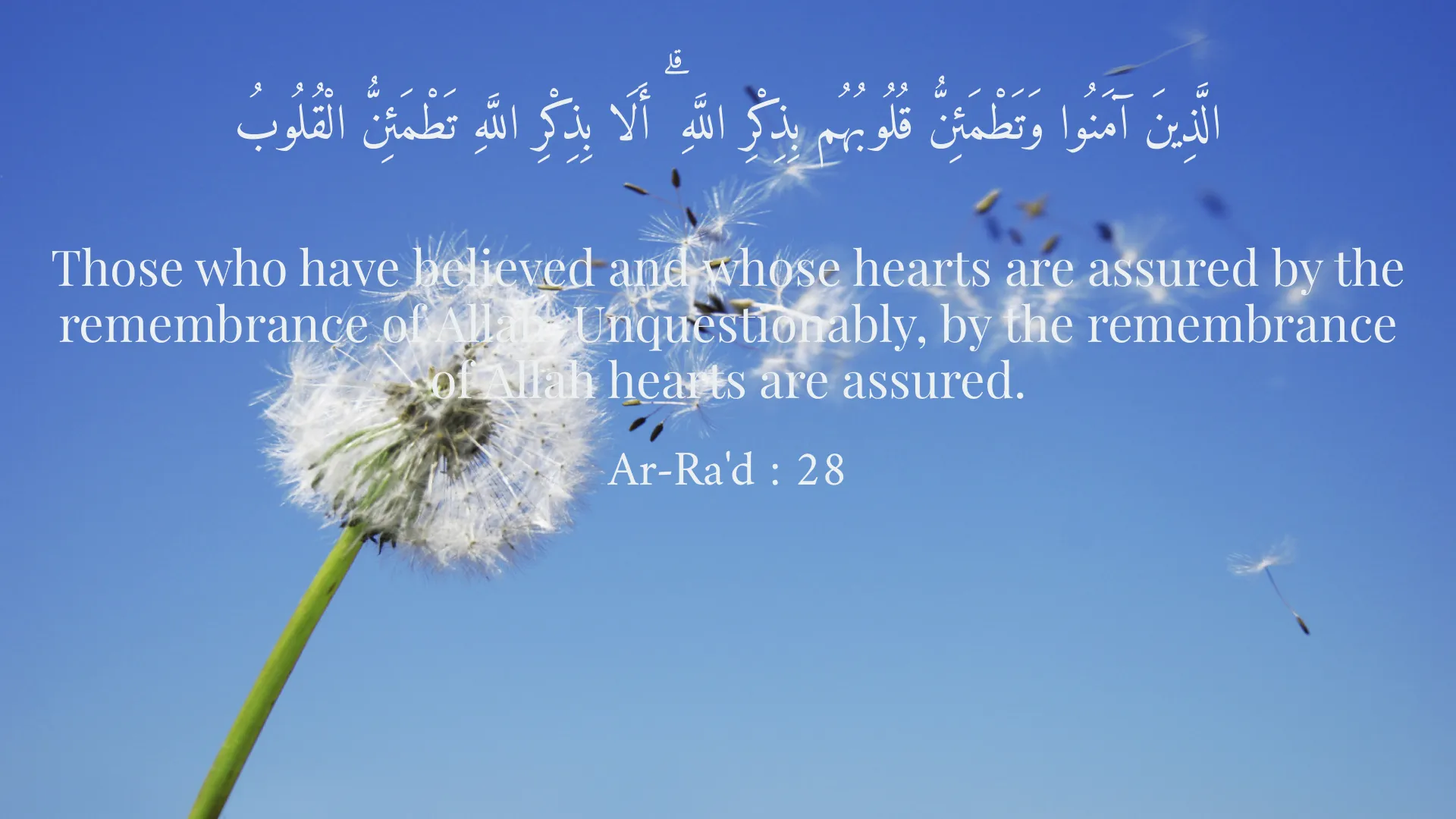
الَّذِينَ آمَنُوا وَتَطْمَئِنُّ قُلُوبُهُم بِذِكْرِ اللَّهِ ۗ أَلَا بِذِكْرِ اللَّهِ تَطْمَئِنُّ الْقُلُوبُ
Those who have believed and whose hearts are assured by the remembrance of Allah. Unquestionably, by the remembrance of Allah hearts are assured.
Ar-Ra'd : 28
وَمَا خَلَقْتُ الْجِنَّ وَالْإِنسَ إِلَّا لِيَعْبُدُونِ
And I did not create the jinn and mankind except to worship Me.
Adh-Dhariyat : 56
وَمَنْ أَعْرَضَ عَن ذِكْرِي فَإِنَّ لَهُ مَعِيشَةً ضَنكًا وَنَحْشُرُهُ يَوْمَ الْقِيَامَةِ أَعْمَىٰ
But whoever turns away from My remembrance – indeed, he will have a depressed life, and We will gather him on the Day of Resurrection blind.
Taha : 124
Short Story
It is narrated in Sa'di's Golestan that a king, despite all his splendor and wealth, was perpetually troubled and sorrowful. One day, he passed by an ascetic and reclusive mystic who, despite his apparent poverty, had a calm face and a tranquil heart. The king, astonished, asked him: "O Dervish, how is it that with all this deprivation, you are so joyful and free from sorrow?" The Dervish smiled and replied: "O King, by relinquishing the world and attaching my heart to God, I have freed myself from the torment of greed and avarice. Whatever I have, suffices me, and what I lack, I do not grieve for. But you, even though you are the king of seven realms, are still thirsty for power and wealth. You are constantly worried about losing what you have and eager to acquire what you don't. Emptiness comes from attaching your heart to this fleeting world and being heedless of your Creator. My peace lies in being independent of the world and dependent on God, while you are independent of God and dependent on the world." The king was awakened by the Dervish's words and realized that true peace lies within, not without.