Quranic Answer
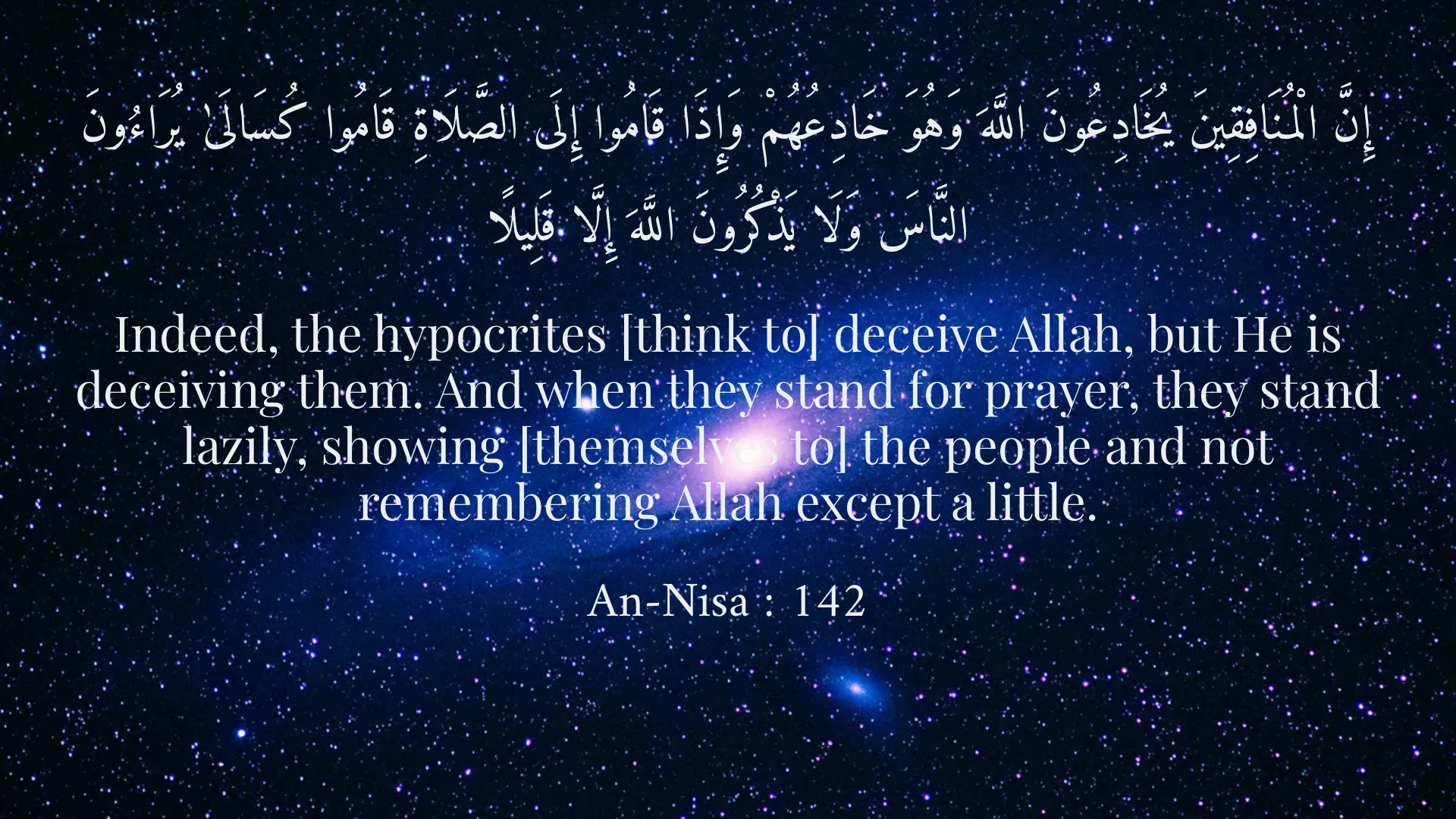
Your profound question regarding why some individuals adhere merely to the outward manifestations of religion while neglecting its deeper essence and truth is a significant topic extensively explored in the Holy Quran. This phenomenon stems from various roots, primarily revolving around a lack of sincere intention (Ikhlas), hypocrisy (Nifaq), and the prioritization of worldly life (Dunya) over the Hereafter (Akhirah). Islam is a religion of both outward actions and inward states; acts of worship such as prayer (Salat), fasting (Sawm), pilgrimage (Hajj), and charity (Zakat) are merely the external shell of faith. What gives them spirit and truth is pure intention, divine knowledge, and heartfelt belief. The Quran repeatedly emphasizes that Allah looks at hearts and intentions, not merely the outward forms of deeds. Those who only focus on external appearances miss out on the deeper understanding and inner transformation that true religion brings, leading to a superficial and ineffective form of piety. One of the principal reasons the Quran identifies for this phenomenon is the concept of "hypocrisy" (Nifaq). Hypocrites (Munafiqoon) are those who outwardly present themselves as Muslims and believers but inwardly harbor disbelief or weakness of faith. Allah describes the hypocrites in numerous verses, exposing their traits to warn believers against falling into their traps. For instance, in Surah An-Nisa (The Women), verse 142, Allah states: "Indeed, the hypocrites [think to] deceive Allah, but He is deceiving them. And when they stand for prayer, they stand lazily, showing [themselves to] the people and not remembering Allah except a little." This verse clearly indicates that the prayer of such individuals is not out of reverence or sincere connection with God, but rather out of laziness and for the sake of showing off to others. Their objective is to gain people's attention, maintain social standing, or avoid criticism, not to earn divine pleasure. This type of religiosity is devoid of meaning and any spiritual effect, as its underlying intention is material and worldly, not divine. They are trapped in the duality of their outward and inward selves, and this contradiction prevents their spiritual growth. Another reason is "showing off" (Riya'). Riya' refers to performing good deeds with the intention that people should see and praise them, rather than seeking Allah's pleasure. The Holy Quran, in Surah Al-Ma'un (The Small Kindnesses), verses 4-6, states: "So woe to those who pray, [but] who are heedless of their prayer - those who make show [of their deeds]." These verses demonstrate that even being a prayer-performer does not guarantee the acceptance of the act if the underlying intention is Riya' or self-display. Someone who clings only to the outward appearance of religion might pray, give charity, or even perform Hajj, but if their goal is to boost social credibility, gain worldly benefits, or feign piety, their actions will be worthless. Allah accepts only those deeds performed with pure intention and for His sake alone. These individuals, instead of building a deep relationship with the Creator, seek the validation of the creation, which itself is the greatest veil between them and the truth of religion. Riya' is a fatal poison for good deeds, stripping them of their essence and depriving the individual of their eternal reward. A third factor is the lack of a deep and essential understanding of religion. Some individuals perceive religion as merely a set of rules and rituals that must be mechanically performed, without paying attention to their philosophy, wisdom, and spirit. They overlook the moral, spiritual, and educational dimensions of faith. For example, they view prayer simply as a series of physical movements and fasting as merely abstaining from food and drink. This superficial outlook on religion prevents the person from benefiting from the inner virtues of worship, resulting in their religiosity being confined to an external shell. The Quran consistently calls humanity to ponder, reflect, and use their intellect concerning divine verses and the signs of creation, so that faith may penetrate from superficial levels into the depths of the heart. Those who shun such reflection often fall into the trap of superficiality and cannot taste the true sweetness of genuine faith; a faith that brings peace to the heart and illuminates the path of life. Furthermore, prioritizing worldly life over the Hereafter is another significant reason for this outward religiosity. The Holy Quran, in Surah An-Najm (The Star), verse 29, states: "So turn away from whoever turns his back on Our message and desires nothing but the worldly life." When a person's primary goal in life is to accumulate wealth, attain status, or indulge in worldly pleasures, religion becomes a tool to achieve these ends, rather than a means to draw closer to Allah. Such individuals might use a religious guise to gain public trust and exploit it for personal gain. True faith does not settle in the hearts of these individuals because their hearts are preoccupied with the world and its deceptive allurements. They are willing to portray themselves as pious in any way to benefit from its worldly advantages, even if this display is miles away from their inner truth. This worldly-centric approach prevents the formation of sincerity and devotion in acts of worship. Finally, it is worth noting that social and cultural pressure can also lead to outward religiosity. In societies where religiosity is a strong social norm, individuals might present themselves as pious to conform to society, maintain reputation, or avoid ostracism, even if they lack strong inner conviction. This type of religiosity is either coerced or superficial, devoid of spiritual zeal and vitality. The Quran emphasizes freedom of belief and prohibits compulsion in religion, because true faith must stem from free will and inner conviction. Genuine religion is an inner transformation that alters not only a person's appearance but also their inner self, ethics, and behavior. Those who only focus on the outward are deprived of this inner transformation, and consequently, their spiritual life becomes hollow and meaningless. Ultimately, it must be stated that Allah is aware of the intentions of hearts, and only those deeds that arise from sincerity and and truth are accepted by Him, not those from pretense and showing off.
Related Verses
إِنَّ الْمُنَافِقِينَ يُخَادِعُونَ اللَّهَ وَهُوَ خَادِعُهُمْ وَإِذَا قَامُوا إِلَى الصَّلَاةِ قَامُوا كُسَالَىٰ يُرَاءُونَ النَّاسَ وَلَا يَذْكُرُونَ اللَّهَ إِلَّا قَلِيلًا
Indeed, the hypocrites [think to] deceive Allah, but He is deceiving them. And when they stand for prayer, they stand lazily, showing [themselves to] the people and not remembering Allah except a little.
An-Nisa : 142
فَوَيْلٌ لِّلْمُصَلِّينَ
So woe to those who pray,
Al-Ma'un : 4
الَّذِينَ هُمْ عَن صَلَاتِهِمْ سَاهُونَ
[but] who are heedless of their prayer -
Al-Ma'un : 5
الَّذِينَ هُمْ يُرَاءُونَ
those who make show [of their deeds].
Al-Ma'un : 6
فَأَعْرِضْ عَن مَّن تَوَلَّىٰ عَن ذِكْرِنَا وَلَمْ يُرِدْ إِلَّا الْحَيَاةَ الدُّنْيَا
So turn away from whoever turns his back on Our message and desires nothing but the worldly life.
An-Najm : 29
Short Story
It is narrated that in ancient times, in a prosperous city, there lived two worshippers. One was the "Ostentatious Ascetic" who always stood in the first row for prayers in the mosque, recited the Quran loudly, and wore patched, worn-out clothes so that people would consider him pious and devout. People admired him greatly, and wherever he went, he was respected. The other was the "Anonymous Devotee," who worshipped in solitude, had no need to be seen, and if he did any good, he tried to ensure no one noticed. He always lived with humility and never spoke of his deeds. One day, the Ostentatious Ascetic fell ill and became very weak. He expected everyone to visit him and pray for him, but only a few people came. This saddened him greatly. Meanwhile, the Anonymous Devotee also fell ill. No one knew of his illness except a kind neighbor. When the news reached the city dwellers, they were surprised to see a large number of people, including those who even praised the Ostentatious Ascetic, come with concern and worry to visit the Anonymous Devotee and pray for him. The Ostentatious Ascetic, observing this scene from afar, asked one of his disciples in astonishment: "Why do people flock to him like this? I, who spent my entire life worshipping publicly and was always in people's eyes, received less devotion than this!" The disciple replied: "O Sheikh, you worshipped for the people, and you received your reward from the people. But he worshipped for God, and God placed his love in the hearts of the people. Your outward appearance was for people, but his inner self was for God. And what comes from the heart, inevitably settles in the heart." This tale reminds us that true religiosity springs from the depths of one's being and has no need for display. Sincerity of intention is a treasure whose value surpasses all worldly appearances.